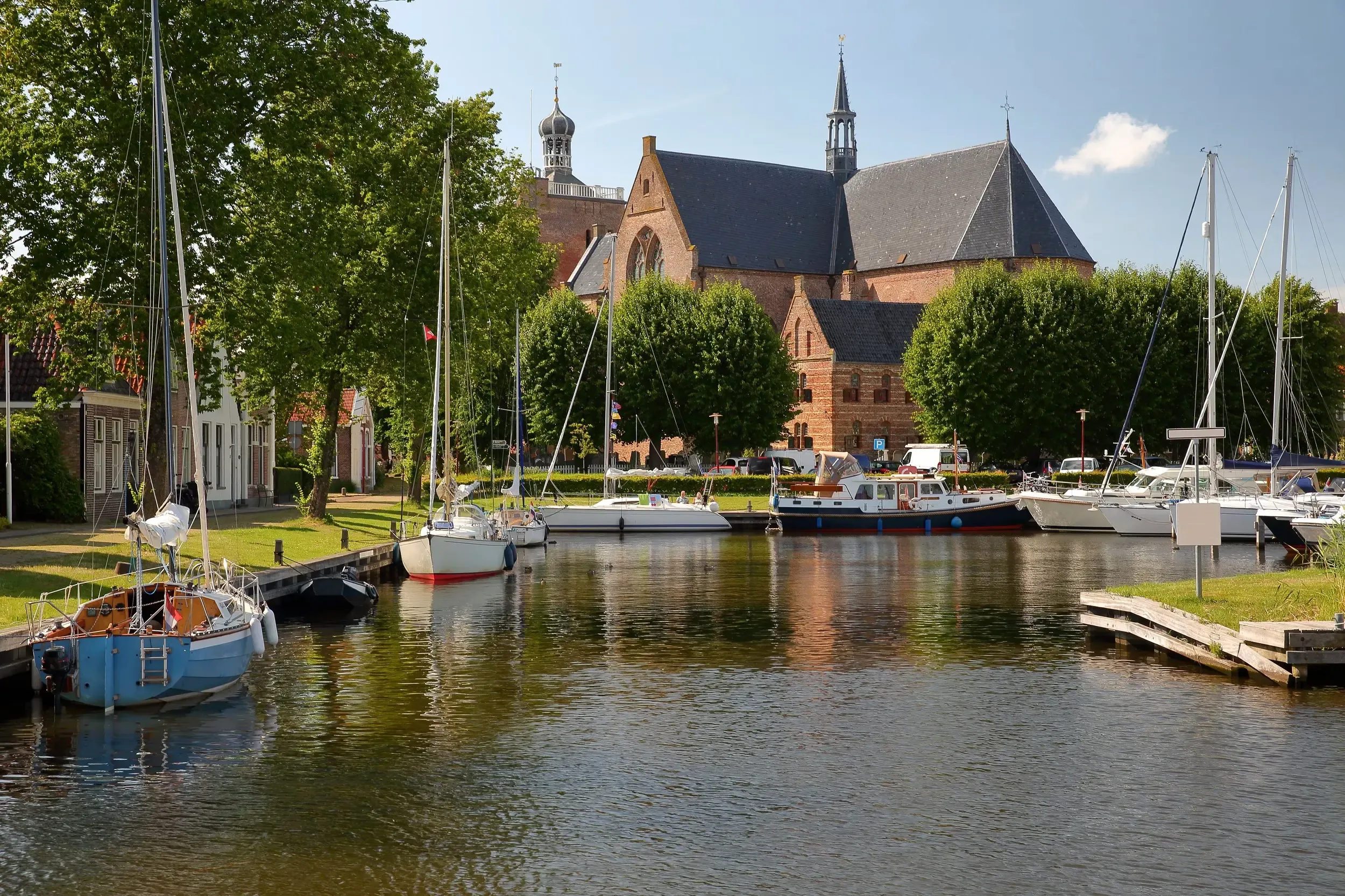
If you think Dutch food is just cheese, fries, and something raw in a paper cone, congratulations, you’re exactly the kind of person this guide is here to lovingly correct.
Because guess what? The Netherlands may be flat, but its regional food scene isn’t. From sugar-crusted breads in the north to creamy pies in the south, our country is basically a patchwork quilt made of butter, syrup, and whatever we could fry after a long bike ride.
This isn’t your average stroopwafel-and-run. We’re going deep into the belly of the Lowlands, province by province, dish by dish. And yes, we’ll keep it real. No fluffy food blog nonsense. Just honest, cheeky Dutch goodness. Because if it ain’t Dutch, it ain’t much.
Let’s be clear: this is food that tells stories. Of farmers who woke up before you. Of families who argued over which sausage goes best with which potato. Of grandmas who never owned a measuring cup. Food that tastes like something, sticks to your ribs, and gives your taste buds something to write home about.
So buckle up (or just grab your fiets), and let’s hit the road. We try to make you Dutch in 3 hours on the 10 Tastes food tour, and this time, we’re doing it one regional bite at a time.
Friesland: Suikerbrood and the Breakfast That Feels Like a Hug
Friesland doesn’t mess around. The language’s got more vowels than seems fair, the people are stubborn (in the best way), and their breakfast bread? Basically dessert.
Meet suikerbrood, a sweet, cinnamon-laced bread stuffed with lumps of pearl sugar that melt into gooey pockets of happiness. Slice it thick, toast it lightly, slap on some butter, and you’re set for anything, from a day on the water to yelling at cows in the wind.
Locals serve it at birthdays, funerals, and every life moment in between. I once had it in a tiny village café where the owner looked like she hadn’t left the counter since 1972. She handed me a slice and said, “Het is warm. Eat now.” I obeyed. I still think about that bread.
You’ll find suikerbrood in bakeries across Friesland and even sneaking into shops in the Randstad (but real ones know it tastes best up north, with a view of the Waddenzee and a stubborn wind in your face).
It’s sweet. It’s comforting. And yes, it will make you question your loyalty to croissants.
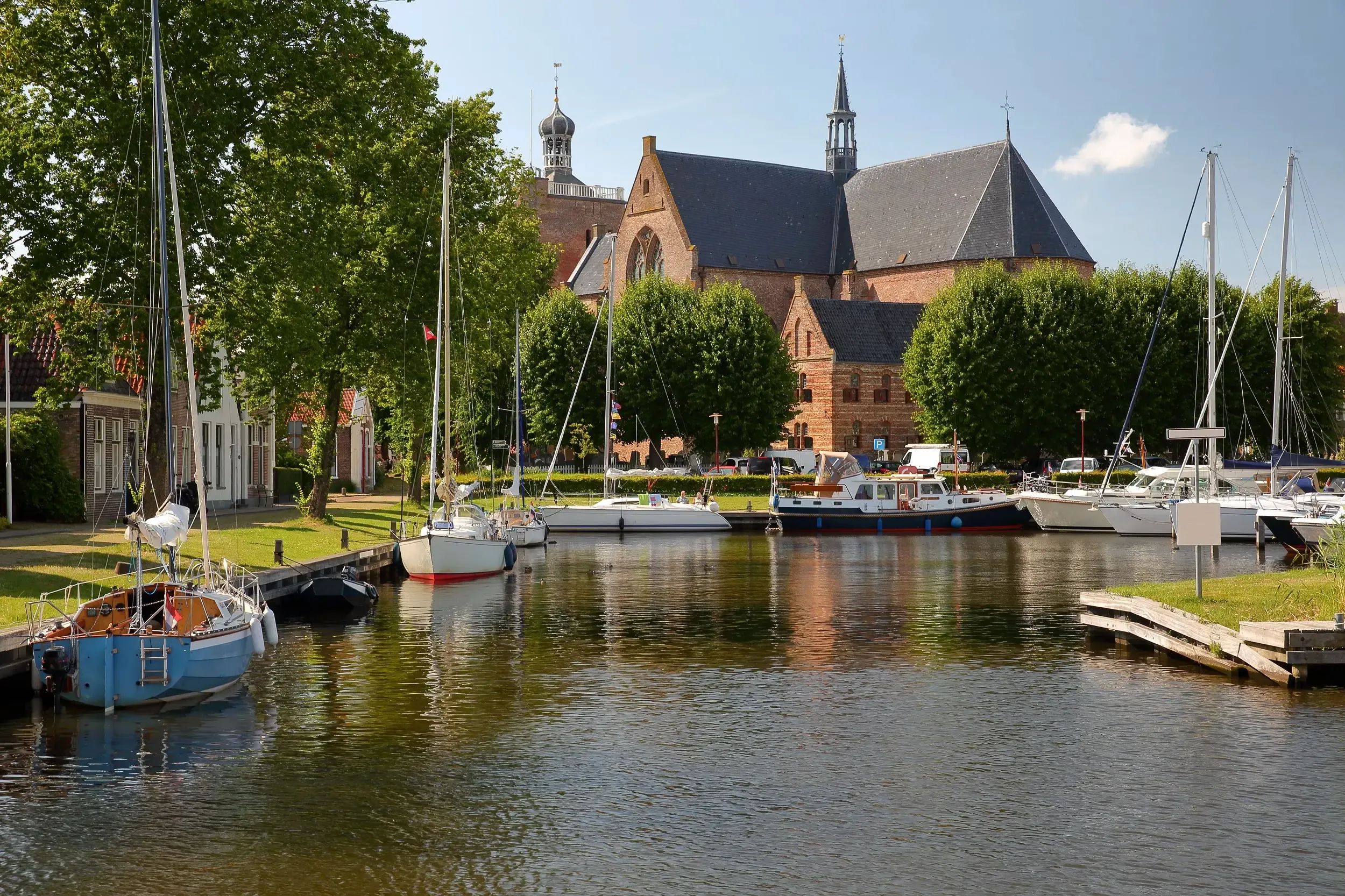
Groningen: The Eierbal, Golden Ball of Joy
If Groningen had a mascot, it wouldn’t be a windmill or a tulip, it’d be the eierbal. It’s a hard-boiled egg, lovingly hugged by a thick layer of ragout, breaded, then deep-fried into a crispy, greasy orb of joy. Think Scotch egg, but Dutch. And better (yeah, I said it).
This snack’s got late-night legend status. Walk past any snackbar in Groningen after 11 p.m., and you’ll see a line of locals ordering one with the same intensity as someone unlocking a life achievement. Students, grannies, random tourists, everyone’s in on the secret.
I had my first eierbal standing outside a greasy joint after a night at Vera (Groningen’s indie music haven). The guy behind the counter handed it over with the kind of smirk that says, “You’re about to understand something.” And I did. I understood why this city doesn’t need Michelin stars. It’s got eierballen.
They’re warm, messy, and comfort wrapped in crunch. If you’re doing Groningen right, your bike ride will include one of these and possibly a detour into a nap.
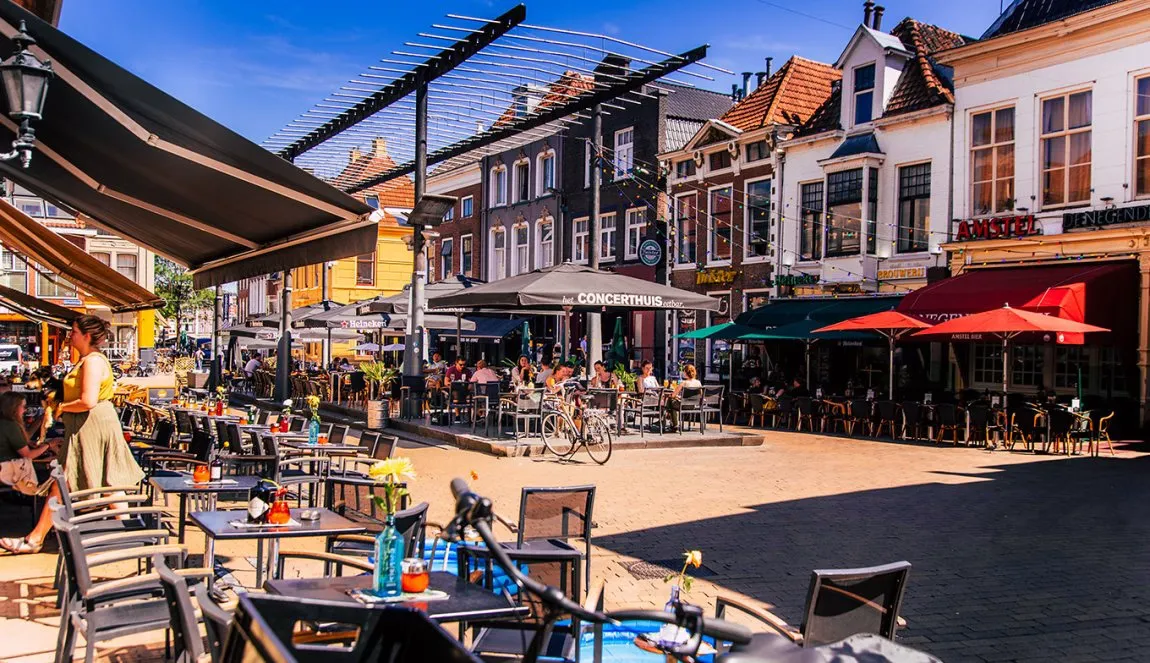
Drenthe: Krentjebrij and the Grandma Who Never Measured a Thing
Drenthe is the quiet cousin of the Dutch provinces. It’s all heather fields, hunebedden (those ancient stone tombs), and comfort food straight from Oma’s memory vault. Enter: krentjebrij.
It’s technically a berry soup, usually made with red currants, blackberries, and barley. Sounds weird? It is. But weird in the way your first sip of mulled wine felt weird, and then suddenly you were hooked. It’s tart, sweet, warm or cold, and deeply nostalgic.
The name literally means “currant porridge,” but don’t let that turn you off. In Drenthe, it’s a staple. You’ll find it at farm cafés and old-school diners served in big bowls with a generous swirl of cream. Kids grow up on it. Adults “rediscover” it once they’ve grown out of pretending kale smoothies are a meal.
Last winter, I had a steaming bowl at a fietscafé in Dwingeloo. Outside, the wind was staging a full-on protest. Inside, I was spooning krentjebrij with one hand and clutching hot chocolate with the other. It was heaven.
If you’re the kind of traveler who likes their food with a side of folklore and some serious grandmother energy, Drenthe’s got your bowl ready.
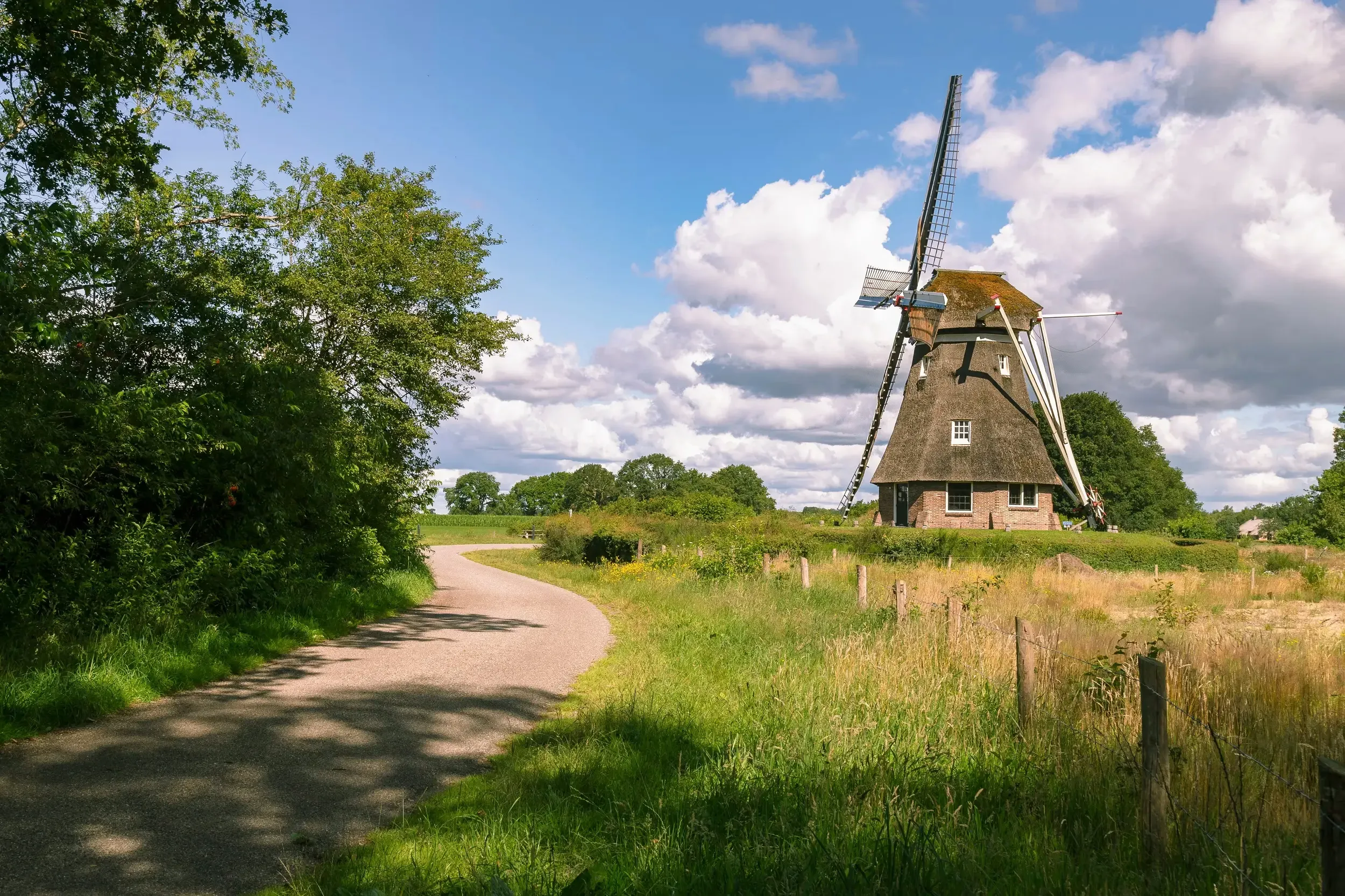
Overijssel: Stip - The Pancake Cousin Nobody Talks About But Secretly Loves
Ah, stip. You probably haven’t heard of it, and that’s a crime. Because this little buckwheat porridge from Overijssel is secretly one of the most satisfying dishes in the Netherlands.
Here’s how it works: you cook the porridge until it’s just the right thickness (read: comforting sludge), plop a generous spoonful of butter and syrup into the middle, and eat from the edge, dipping each bite toward the center. It’s like culinary finger painting for grown-ups.
It’s not fancy. It won’t get you likes on Instagram. But it will make you feel like someone just tucked you into bed and told you everything’s going to be okay.
I once had it after a surprise downpour left me soaked and sulky in Zwolle. The café owner saw the state I was in and just said, “Stip.” No explanation. Ten minutes later, I was grinning like a fool, cheeks warm, stomach full, spirits restored.
Stip is proof that Dutch food doesn’t need reinvention, it just needs a spoon, a drizzle of syrup, and a rainy day.
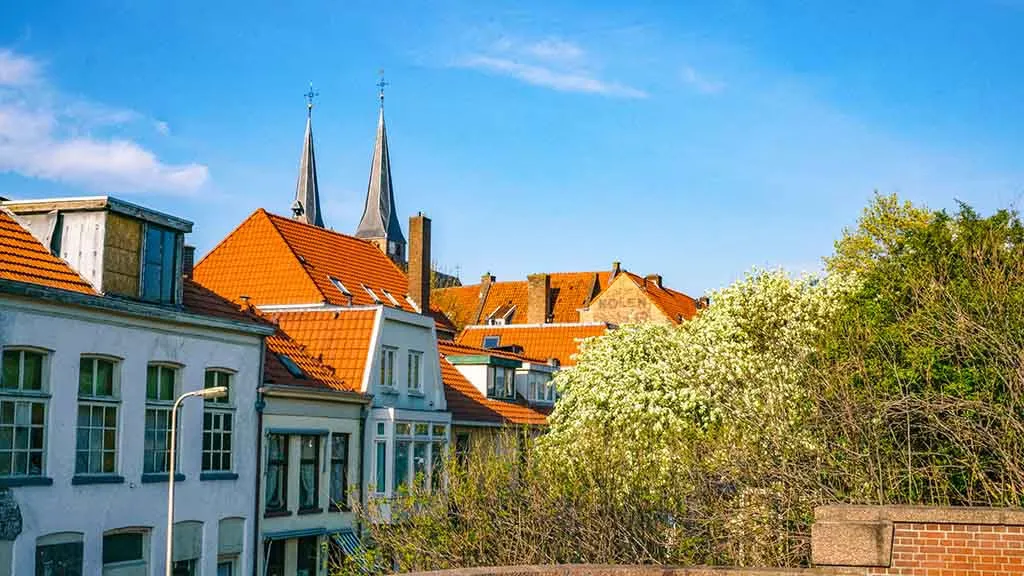
Gelderland: Rookworst, Stamppot’s Smoky Best Friend
When Gelderland enters the room, it doesn’t whisper, it smokes. Specifically, with rookworst, the hearty, smoky sausage that’s a non-negotiable sidekick to every decent stamppot (Dutch mashed potato mash-up).
The best rookworst is made fresh, with a real smoky bite that clings to your teeth and makes your soul say “gezellig.” Forget the vacuum-packed supermarket stuff, real Gelderse rookworst comes from butchers who still trust their gut more than Google.
I had my best rookworst in Arnhem, post-bike ride, hands frozen, legs shaking, joy level: low. The butcher handed it over wrapped in paper, steaming hot. One bite in, and I swear my ancestors clapped. Pair it with hutspot or boerenkool (that’s mashed potato with carrots or kale, for the uninitiated), and you’ve got yourself a meal that’ll silence even the most dramatic Amsterdam vegan.
Fun fact? In Gelderland, rookworst is serious business. Ask three locals where to find the best, and you’ll get five opinions, a family feud, and possibly a sample or two.
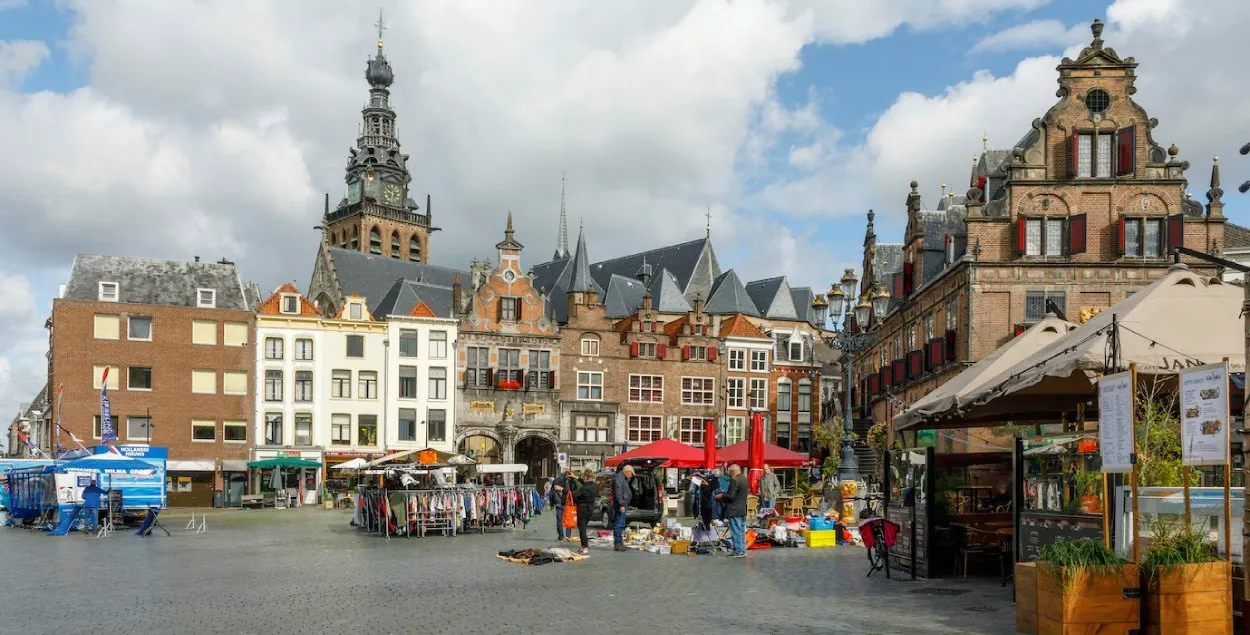
Utrecht: Vockingworst and Other Meaty Mysteries
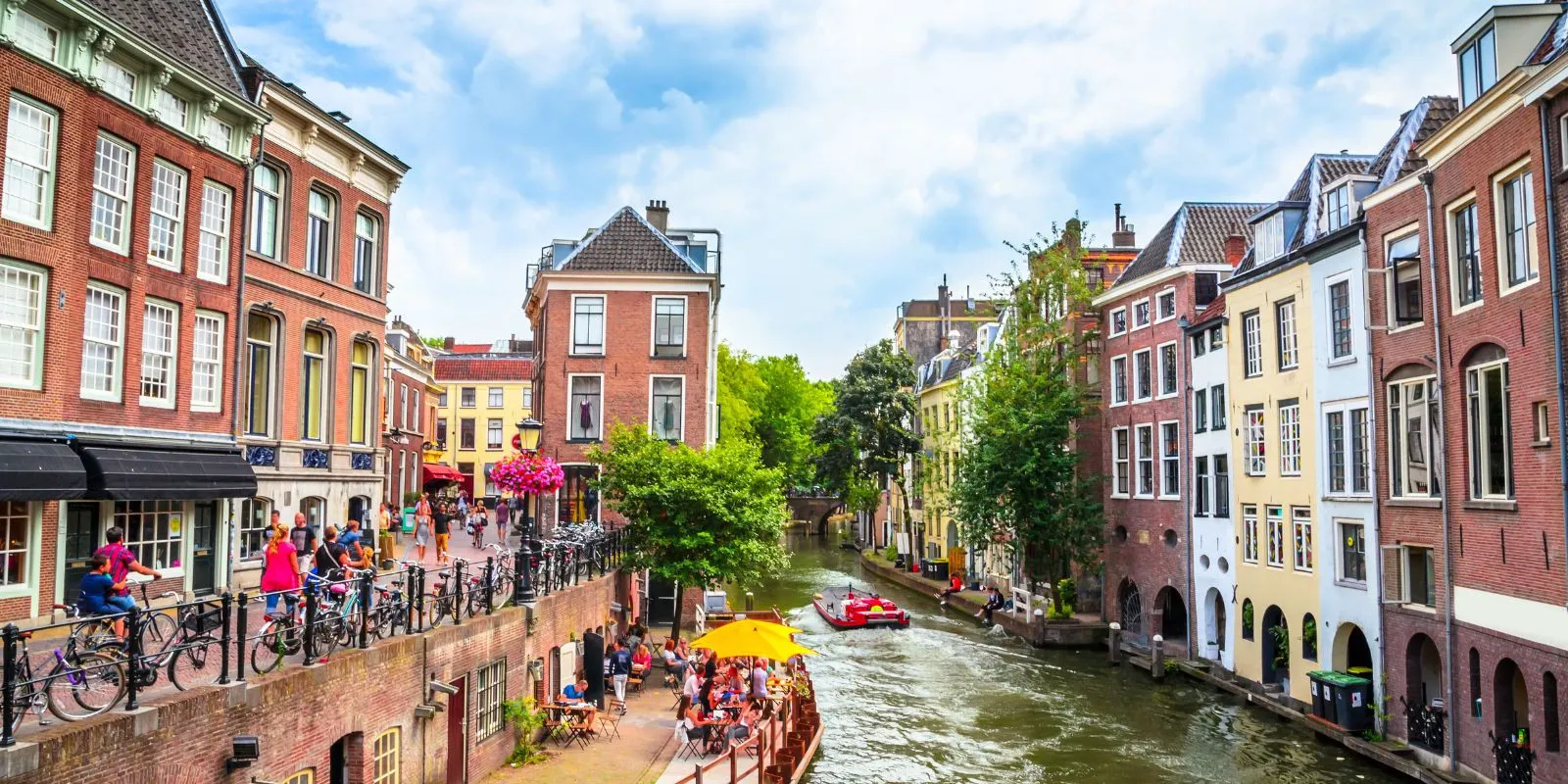
Utrecht might look like Amsterdam’s tidier, smaller sibling, but when it comes to regional food pride, it stands tall, particularly over Vockingworst. Named after the butcher who first made it, this liver sausage is rich, subtly spiced, and usually sliced thin and served on hearty brown bread with a whisper of mustard.
It’s got that old-school feel, the kind of thing your opa would eat in the morning, before cycling 20 km / 12.4 miles to the market and never once complaining. You’ll find it at local butchers (ask for a taste; they’ll oblige), and at traditional cafés that haven’t updated their menu since the 70s, and shouldn’t.
The texture? Smooth but firm. The flavor? Earthy, meaty, unapologetically liver-y. It’s not for everyone, and honestly, we kind of like it that way. There’s a quiet thrill in discovering a regional delicacy that hasn’t been Insta-fied or covered in aioli.
In Utrecht, food isn’t about flash. It’s about knowing the good stuff and not making a big fuss about it, which is exactly the spirit of our Utrecht food tour. And Vockingworst? That’s the good stuff.
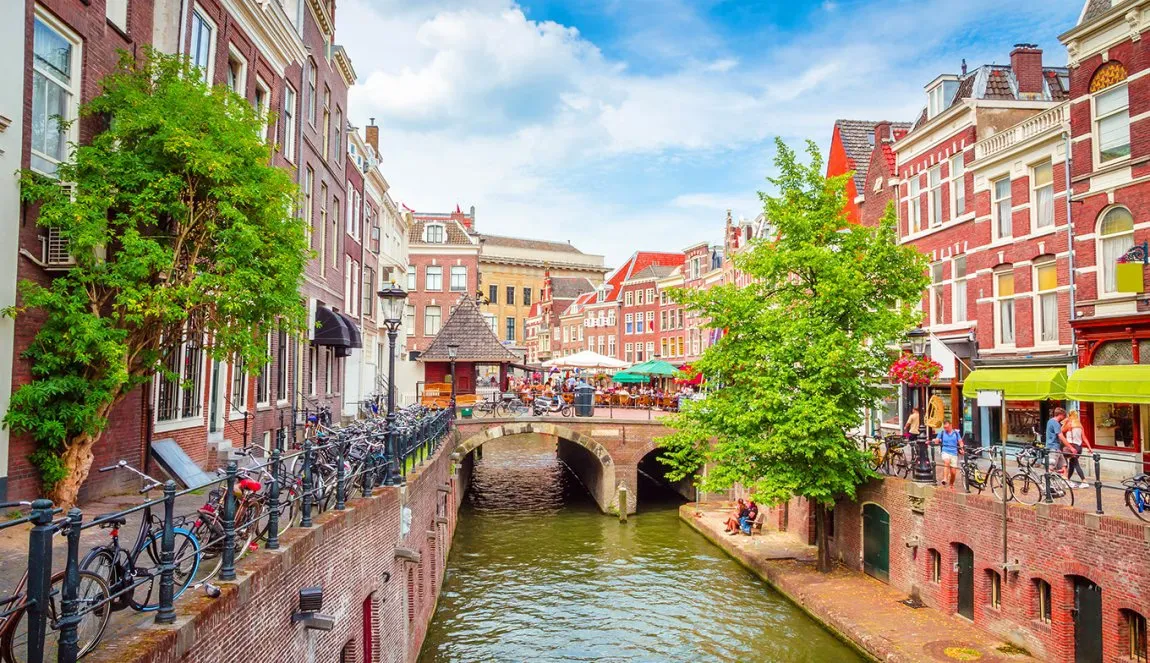
North Holland: Haring and the Art of Eating Like a Local (Without Gagging)
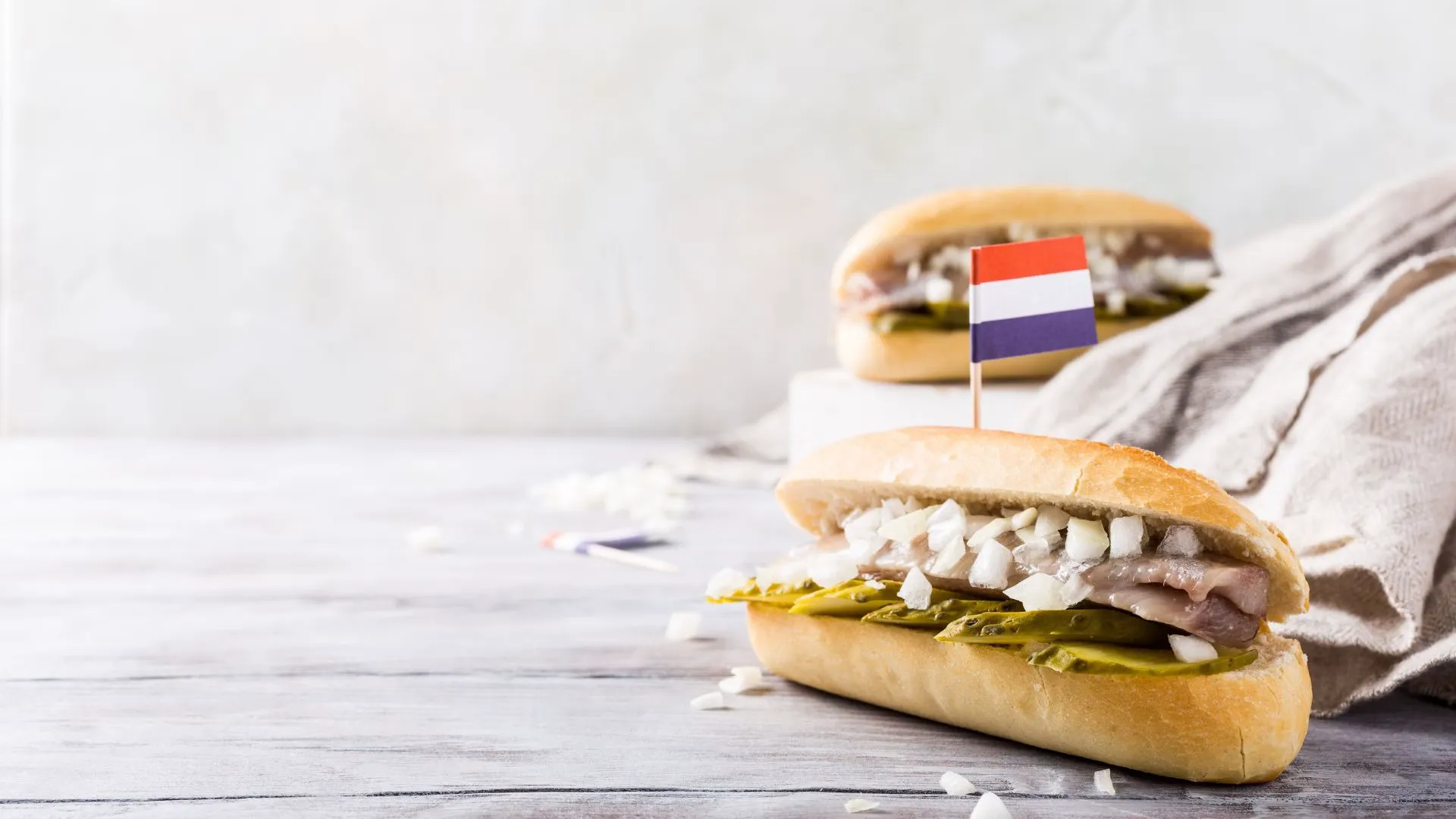
Let’s talk about haring. No, not the Scandinavian pickled kind. We’re talking Dutch-style: lightly cured in brine, never cooked, and eaten like you mean it. This is one of those dishes that divides people, like pineapple on pizza or people who clap when the plane lands.
In North Holland, especially Amsterdam, Haarlem (worth a food tour through Haarlem in its own right), and Alkmaar, you’ll see stalls with fish so shiny you could use them as mirrors. The routine is simple: grab the herring by the tail, dip it in onions and pickles (or not), and slide it into your mouth like a slightly slippery sword. Yes, seriously.
I remember my first haring. I was 12. My dad bought it from a stall near the IJ and just handed it to me with a grin. “Be brave,” he said. I was not. I flinched. I almost bailed. But I did it. And now? I still flinch, but in a loving, nostalgic way.
Here’s the truth: the fresher the haring, the better. Maatjesharing season runs 1 May to 31 August, and the fish is sold as “Hollandse Nieuwe” until 30 September. Those four months are when the fat content is just right, at least 16 percent and often over 20, and the flavor is buttery, not fishy. Locals flock to their favorite stalls and queue like it’s Apple store launch day.
If you’re going to try it (and you should), go big or go home. Do it the Dutch way, eyes closed, tail high, pride intact. And if it ain’t your thing? That’s okay. More for us.
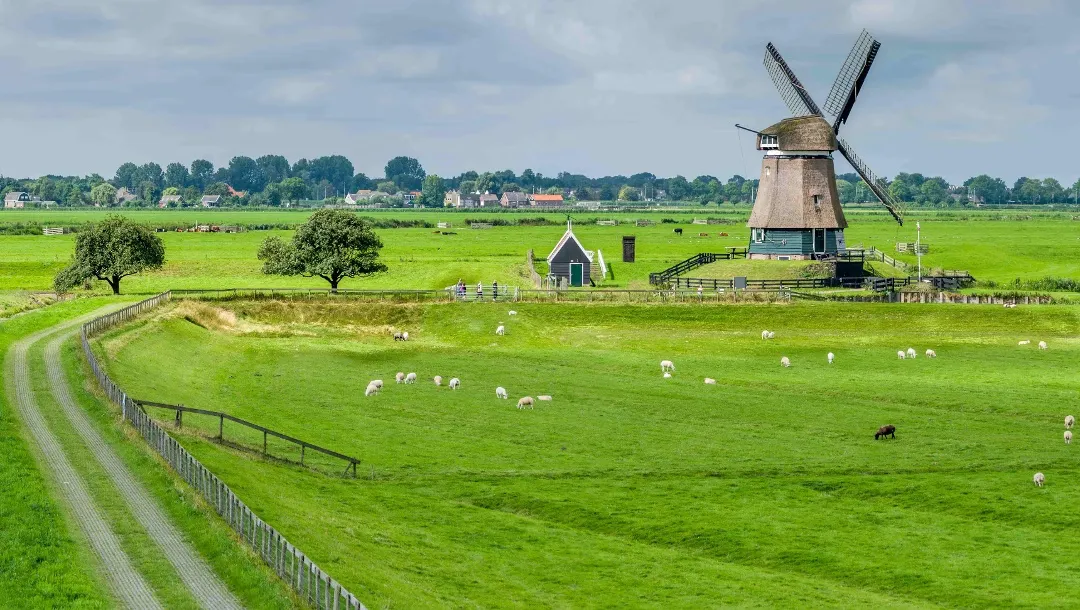
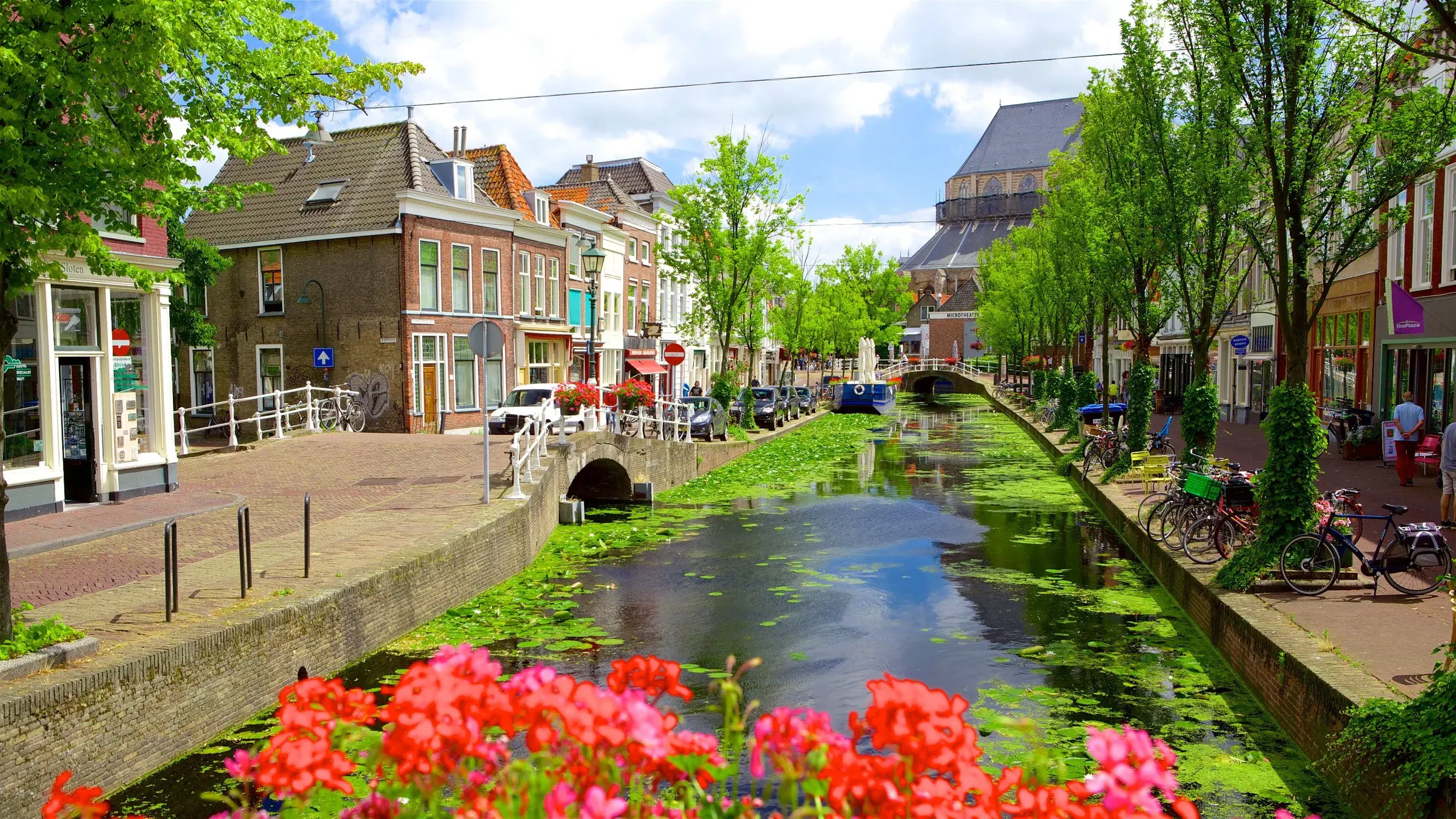
South Holland: Stroopwafels - Hot, Sticky, and Entirely Worth It
Let’s not kid ourselves, stroopwafels might just be the most famous Dutch export not named after a tulip. And rightly so. These aren’t your average waffles. They’re delicate, chewy, gooey marvels made of two thin waffle cookies with a molten center of caramel syrup (stroop) that practically begs to melt in your hand, or onto your chin.
Born in Gouda, yes, same place as the cheese, because that town knows what’s up. The baker’s-hack-for-crumbs story is a myth, though: no old recipe with crumbs in it has ever turned up in the Gouda archives, and nobody can pin the date down either. Nineteenth century is as close as anyone gets, with the oldest surviving recipe from 1840, the gasworks from 1853 (one historian argues the bake needs a gas flame) and the first documented stroopwafel iron from 1864 all pulling in different directions. Now? They’re a national treasure, found in supermarkets, airports, and that magical stand at every street market where the air smells like heaven and diabetes.
Real ones eat them fresh, right off the press, where the syrup is still lava and the edges are just slightly crispy. And yes, you should absolutely put one on top of your hot coffee to warm it before devouring. It’s not a hack, it’s a lifestyle.
Bonus points if you can eat one without licking your fingers. Nobody can. Not even Dutchies. Don’t fight it.
Zeeland: Zeeuwse Bolus - Cinnamon’s Best Work Yet
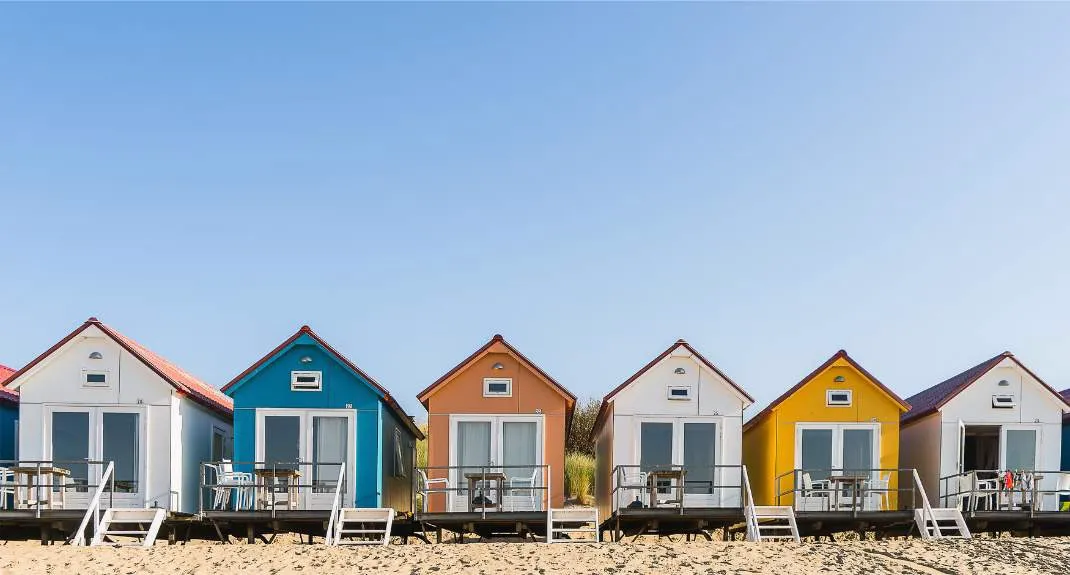
Zeeuwse bolus is proof that cinnamon buns can always get sexier. Picture this: a spiral-shaped bun, sticky with brown sugar and cinnamon, caramelized just so, and dusted with powdered sugar like a guilty secret. It’s not neat. It’s not refined. It’s delicious chaos on a plate.
Hailing from Zeeland, the southwestern coastal province famous for its sea, sand, and occasional existential weather, this bolus isn’t just a treat. It’s practically cultural currency. You’ll find them in bakeries all over the province, often with a sticky smear of nostalgia attached.
The secret? Technique. A proper bolus is rolled in a way that traps the sugary syrup inside, so each bite hits like a little sugar bomb. Soft inside, slightly crisp outside, always messy. You’re not eating one on a first date, unless you want them to know the real you.
Pro tip: Pair it with a strong cup of black koffie or, if you’re in full Dutch grandma mode, a cup of warm milk. Comfort food? This one’s got a PhD.
North Brabant: Worstenbroodje and the Snack That Gets You Through Carnival
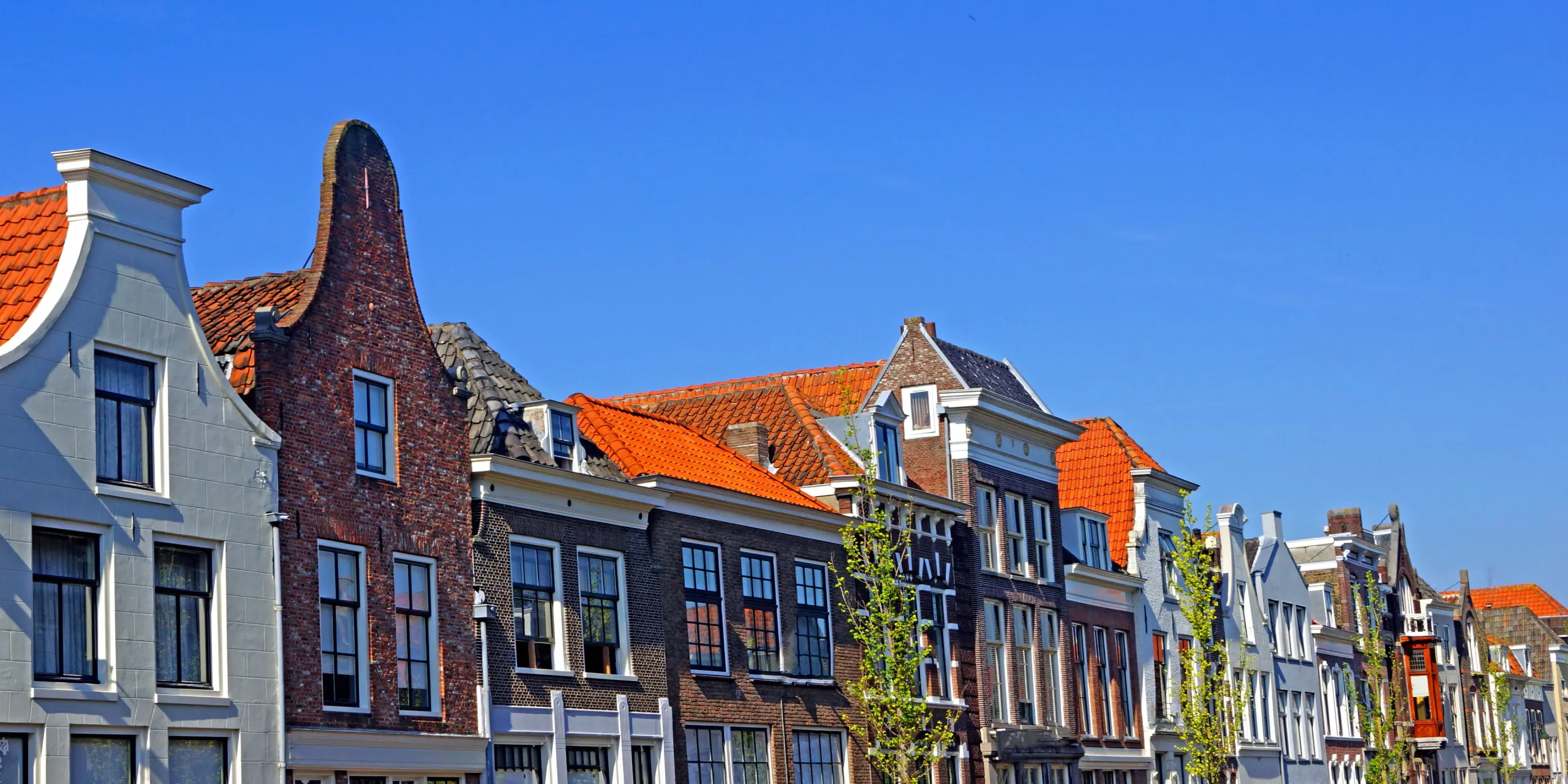
No one does snacking-as-a-sport quite like the Brabanders. And nothing says “I’m surviving Carnival” like a proper worstenbroodje, a soft roll filled with seasoned sausage meat, served warm and often inhaled while dancing, crying, or trying to do both.
It’s the kind of food you eat standing up, over a paper napkin, while trying to shout over a brass band. But don’t let its humble appearance fool you. A good worstenbroodje is spiced just right, juicy on the inside, golden outside, and satisfying enough to soak up whatever you were drinking.
Locals grow up with these things. They’re in vending machines, cafés, bakeries, your aunt’s freezer, everywhere. And come February, when Carnival kicks off, they fly off the shelves faster than you can say “Oeteldonk.”
I’ve eaten them in Tilburg at 3 a.m., cheeks painted, feathers in my hair, and not a shred of dignity left. That sausage roll saved me. Twice.
Limburg: Vlaai, the Pie That Made You Forget Apple Tart Exists
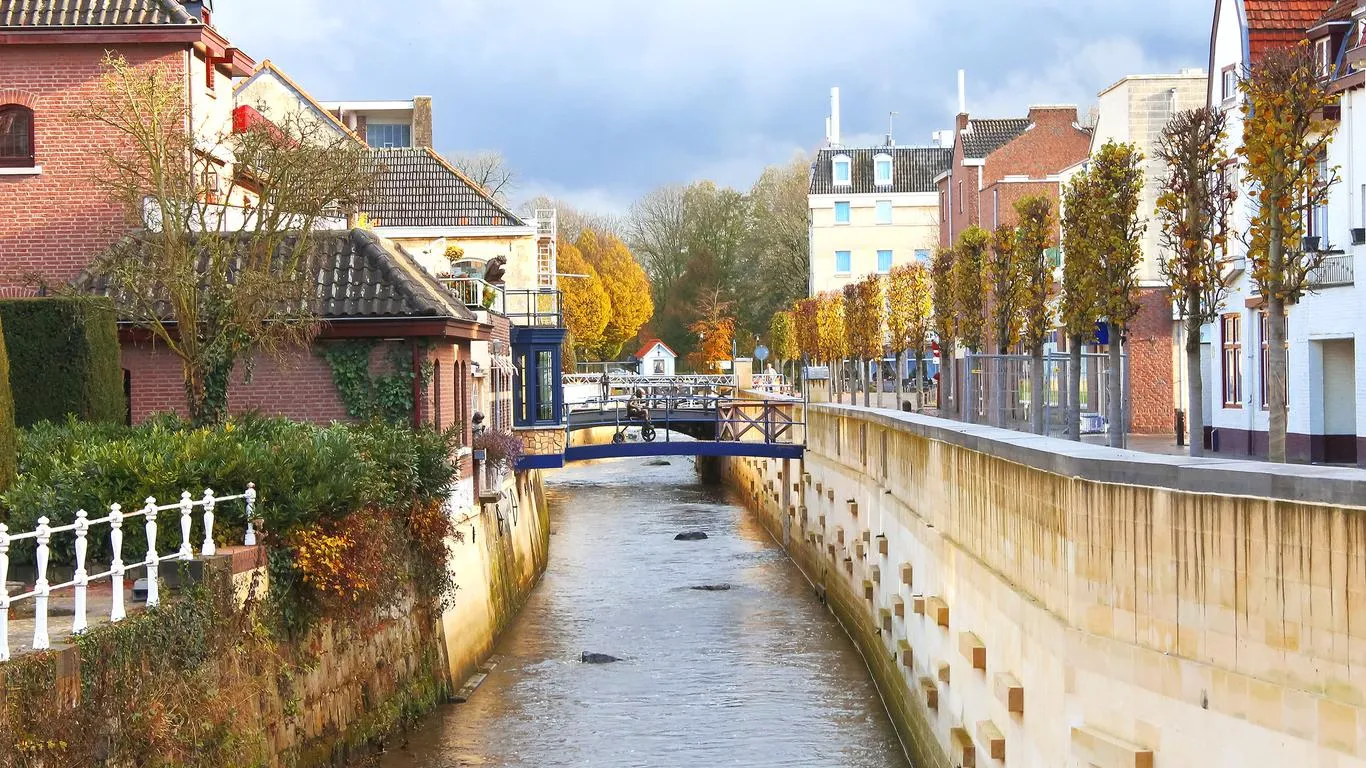
Finally, we arrive in Limburg, the land of hills, soft accents, and vlaai. This isn’t just pie. Vlaai is a masterpiece. A deep-dish, lattice-topped, fruit-packed wonder often filled with cherries, plums, apricots, or even rice pudding (yes, really, and yes, it slaps).
It’s buttery. It’s big. It’s best enjoyed on a sunny terrace with a bitter koffie and the vague sound of a church bell somewhere nearby. Every café in Maastricht or Valkenburg has their version, and every Oma will tell you hers is best. They’re probably all right.
I once detoured 20 km / 12.4 miles out of my cycling route because a local whispered that a tiny bakery near Gulpen had the best cherry vlaai in the province. They were not wrong. I left with sticky fingers, a full heart, and two more slices wrapped in napkins for “later” (they didn’t last long).
If you don’t eat vlaai in Limburg, did you even go?
Final Thoughts
Let’s face it, the Netherlands isn’t always known for bold culinary headlines. But anyone who thinks Dutch food is boring hasn’t wandered its provinces hungry.
From the smoky depths of Gelderland sausages to the sugar-dusted spirals of Zeeland, Dutch regional food is wildly underrated, proudly traditional, and cheekily comforting. We don’t fuss. We don’t fluff. But when it comes to feeding you, body and soul, we don’t mess around.
So, take the long route. Visit the villages. Ask the baker what’s warm today. Order the weird thing on the menu. You’re not just eating; you’re understanding a culture one bite at a time.