Adam & Eve Amsterdam Food Tours

15 April 2025 · Otto Nooitgedacht

Why You Should Try the Famous Herring Sandwich in Amsterdam: A Bite of Dutch Tradition

Herring sandwich in amsterdam
In this guide · 15 stops
  1. The Role of Street Food in Dutch Culture
  2. Why Herring Stands Out in Amsterdam
  3. What Exactly Is a Broodje Haring?
  4. The History Behind the Amsterdam Herring Sandwich
  5. Why Tourists and Locals Love It
  6. Where to Find the Best Herring Sandwich in Amsterdam
  7. How to Eat a Herring Sandwich Like a Local
  8. Tips for First-Timers
  9. Amsterdam Herring Sandwich vs. Other Dutch Snacks
  10. When Is the Best Time to Eat Herring in Amsterdam?
  11. Street Vendors vs. Seafood Shops
  12. Sustainability and Sourcing
  13. Herring Sandwiches Beyond Amsterdam
  14. A Tourist’s Guide to Navigating Herring Culture
  15. Conclusion

Watch

How to Eat Raw Herring Like a Local in Amsterdam
Why the Dutch Eat Herring With White Bread (Leiden, 1574)

If there’s one food that perfectly captures the spirit of Amsterdam, it’s the humble yet legendary herring sandwich. Known locally as “broodje haring,” this classic Dutch snack has earned its spot in the city’s culinary hall of fame. Whether you’re exploring the winding canals, relaxing in a park, or just looking for a taste of local life, biting into an Amsterdam herring sandwich is a rite of passage.

But what makes this sandwich so special? Is it the unique flavor, the cultural tradition, or the thrill of trying something totally different? The answer is all of the above-and more. In this guide, we’ll go deep into the history, taste, and experience of enjoying the best herring sandwich Amsterdam has to offer. Ready to take a bite of history?

The Role of Street Food in Dutch Culture

When you think of Amsterdam, you might picture canal tours, cozy brown cafés, or rows of bikes parked along cobblestone streets. But what ties all of that together is food-specifically street food. In a city that’s both laid-back and full of surprises, street food offers a fast, affordable, and delicious way to sample Dutch culture.

From crispy fries with mayo to hot stroopwafels, Amsterdam’s street food scene is diverse, and our Red Light District food tour is built around exactly that. Yet, one item rises above the rest in terms of cultural significance: the Amsterdam herring sandwich. Sold at food stalls known as “haringhandels,” these sandwiches are more than a snack-they’re a tradition.

Whether you’re in the mood for a quick bite or curious about local favorites, this sandwich deserves a place on your bucket list. You’ll find them on almost every busy square, market corner, or even floating from food boats near the canals.

Why Herring Stands Out in Amsterdam

Herring has been part of Dutch life for centuries. It’s not just another fish-it’s a point of national pride. Amsterdam has embraced the herring sandwich as a culinary emblem, with recipes that have stood the test of time.

Unlike other street foods that are flashy or fusion, the Amsterdam herring sandwich stays true to its roots. It’s fresh, unpretentious, and packed with flavor. And it tells a story-of Dutch fishing heritage, seaside markets, and a people who value tradition. That’s what makes it stand out.

What Exactly Is a Broodje Haring?

Traditional Dutch Preparation

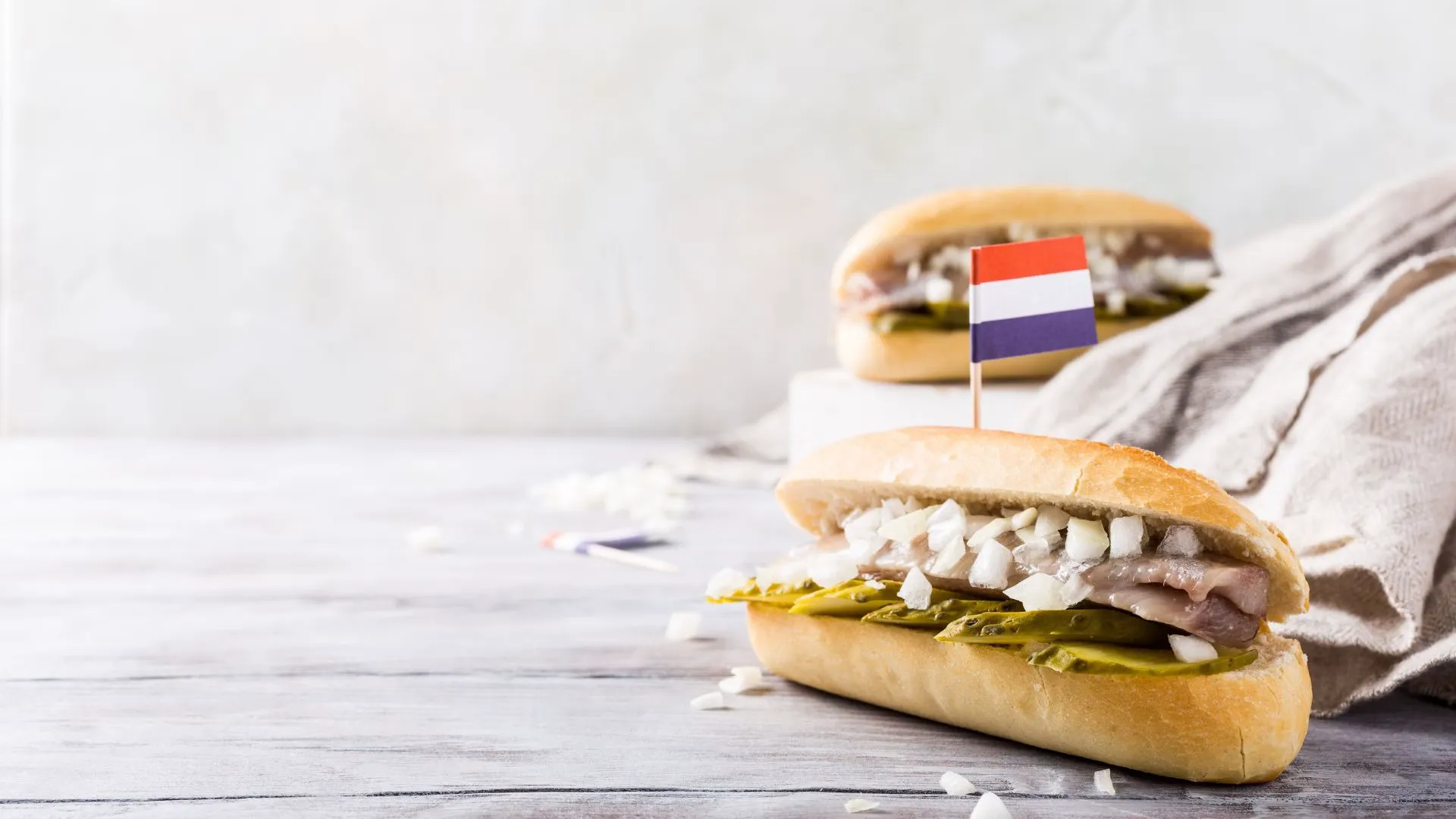
So, what goes into an Amsterdam herring sandwich? Simplicity is the secret. The sandwich typically consists of:

  • Fresh raw herring (lightly cured in brine, not cooked)
  • Soft white bread roll or classic bun
  • Finely chopped onions
  • Pickles (or gherkins)

That’s it. No fancy sauces or over-the-top ingredients. The focus is on the fish itself-rich, silky, and slightly salty with a buttery texture that melts in your mouth.

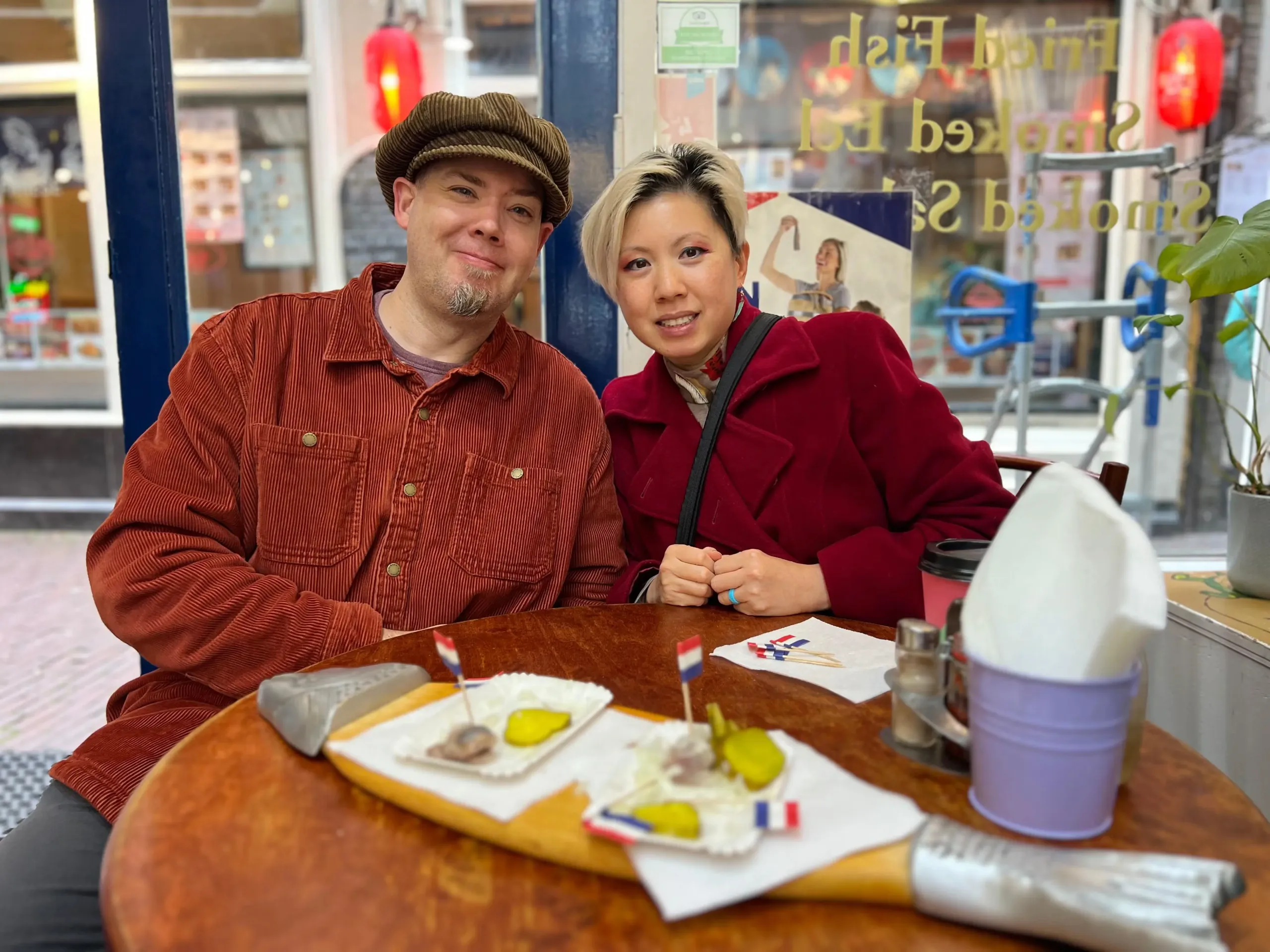
Some versions skip the bread entirely and serve the herring fillet solo with onions and pickles, eaten with a toothpick. But for many, the sandwich version offers the perfect blend of soft, crunchy, tangy, and fresh.

Ingredients and Variations

While the traditional Amsterdam herring sandwich sticks to the basics, a few modern takes have emerged across the city:

  • Whole wheat or rye buns for a healthier twist
  • Extra pickles or spicy mustard for added zing
  • Vegan or mock-herring versions for plant-based eaters (though rare, they do exist!)

But if you’re chasing the best herring sandwich Amsterdam has to offer, stick to the classic. Find a local stall, grab one fresh from the vendor, and enjoy it the way the locals do-standing up, by the water, maybe with a cold drink in hand.

The History Behind the Amsterdam Herring Sandwich

A Centuries-Old Tradition

Herring has been part of Dutch maritime history since the Middle Ages. Back then, it wasn’t just food-it was economic gold. The invention of a special method called “gibbing,” which allowed herring to be preserved and transported over long distances, turned the Netherlands into a seafood powerhouse in the 14th century.

Amsterdam, being a port city, was at the heart of this trade. Fishermen brought in daily hauls, and the salty, preserved herring became a staple of the working-class diet. Over time, as the city modernized, herring transitioned from a necessity to a beloved snack-one that bridges the gap between past and present.

From Fishing Harbors to Food Carts

Originally eaten straight off the boat, the sandwich version of this dish came into fashion in the 19th century. It allowed people to eat on the go, especially in busy city environments like Amsterdam.

Today, herring stands-often family-run for generations-serve as a tribute to this history. They’re found in busy city centers, quiet neighborhoods, and waterfront markets, offering a consistent taste of the old country in a modern world. Each bite of an Amsterdam herring sandwich connects you with that rich, seafaring legacy.

Why Tourists and Locals Love It

A Flavor You’ll Never Forget

Let’s be real-eating raw fish might not be everyone’s first choice. But don’t knock it till you try it! The Amsterdam herring sandwich offers a completely different experience than sushi or sashimi. The curing process gives the fish a soft, creamy texture and a mild, savory flavor that pairs perfectly with tangy pickles and sweet onions.

It’s bold, briny, and buttery-all in one bite. If you love trying new foods while traveling, this sandwich delivers a full-on cultural immersion in just a few euros. It might not be Instagrammable, but it’ll be unforgettable.

Nutritional Value and Health Benefits

Aside from being delicious, herring is also packed with nutrients:

  • Omega-3 fatty acids
  • Vitamin D
  • Vitamin B12
  • High-quality protein

This makes the Amsterdam herring sandwich a healthy snack option-way better for you than fries or fried snacks. Plus, it’s satisfying without being heavy, so it’s perfect for eating on the go as you explore the city.

Where to Find the Best Herring Sandwich in Amsterdam

Iconic Herring Stands and Food Stalls

If you’re serious about trying the best herring sandwich Amsterdam has to offer, you need to know where to look, or let a small-group food tour through the centre take you straight to the good stands. The magic of this snack isn’t just in the ingredients-it’s in the source. You’ll want a vendor who’s known for using super-fresh herring, traditional prep methods, and friendly service.

Here are a few can’t-miss spots:

  • Frens Haringhandel (near the Rijksmuseum) - One of the most popular stands among locals and tourists alike. Their herring is fresh, flavorful, and served with a smile.
  • Haring & Zo (on the Singel canal) - A clean, well-organized stall offering perfectly balanced herring sandwiches with generous toppings.
  • Stubbe’s Haring (near Central Station) - With a view of the canal and a long-standing reputation, this stall is an essential stop for first-timers.

You’ll often spot a line forming at these locations, but that’s a good sign. It means the fish is moving fast, which guarantees freshness. Vendors take pride in serving top-notch herring, often chilled just right and sliced in front of you.

How to Recognize Fresh and Quality Herring

Not all herring is created equal. A quality Amsterdam herring sandwich should have fish that’s:

  • Silky and moist (not dry or rubbery)
  • Mildly salty, with a pleasant oceanic flavor
  • Free from overpowering fishy smells
  • Chilled and glistening, indicating proper storage

The bread should be soft and fresh, and the onions should be crunchy-not soggy or overly pungent. If you’re unsure, ask the vendor when the fish was delivered or look around to see how busy the stand is. High turnover usually means the freshest fish.

How to Eat a Herring Sandwich Like a Local

The Dutch Way to Enjoy It

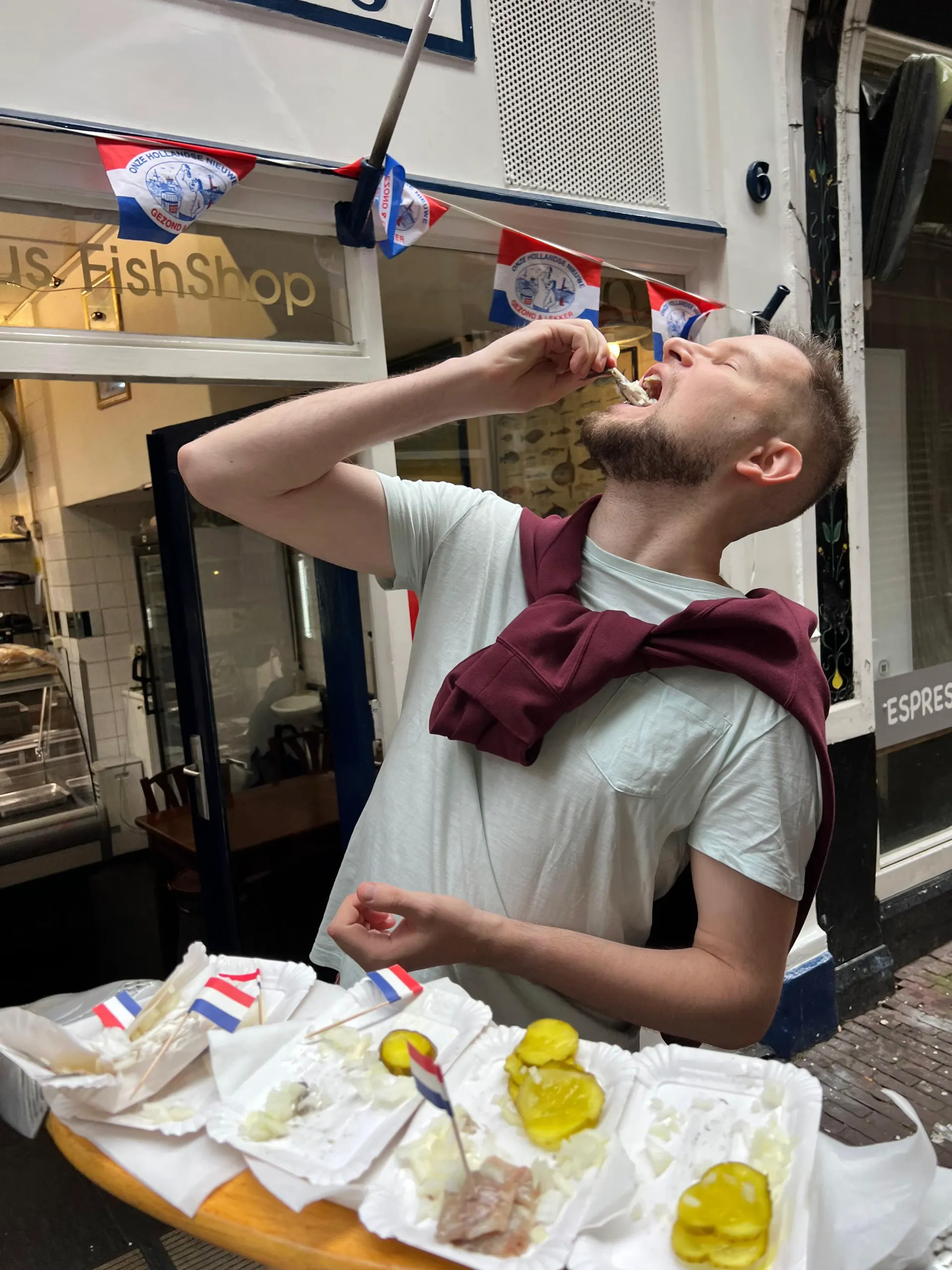
Ever seen someone dangle a fish above their head and eat it whole? Welcome to the traditional Dutch way of eating herring. Though it’s more common with fillets (no bread), it’s part of the culture and worth trying at least once.

But if you’re going for a herring sandwich Amsterdam-style, here’s the local way:

  • Order the sandwich “met broodje” (with bread).
  • Ask for “met ui en zuur” (with onions and pickles).
  • Grab it with your hands-no forks or fuss.
  • Stand nearby and enjoy it immediately. It’s not a takeaway meal-it’s a moment.

You’ll see businesspeople, students, and tourists alike stopping by a stall for their midday herring fix. It’s casual, fast, and uniquely Dutch.

With Onions and Pickles or Plain?

This comes down to personal preference, but here’s the breakdown:

  • With onions and pickles: Adds tang, crunch, and balances out the soft texture of the fish. This is the most popular choice and the one locals typically go for.
  • Plain herring: If you want to truly taste the fish and appreciate the flavor nuances, this is your best bet.
  • With mustard: Some vendors offer spicy mustard on the side. It’s not traditional, but it’s catching on.

Whatever you choose, remember: the Amsterdam herring sandwich is meant to be savored, not rushed. It’s a culinary pause in your adventure.

Herring Sandwich in Amsterdam

Tips for First-Timers

What Does Herring Taste Like?

Trying raw, cured herring might be a mental hurdle for some, but it’s nothing like eating raw fish in other parts of the world. Here’s what you should know:

  • It’s not slimy or fishy (at least if it’s fresh). The curing process mellows out the flavor and enhances the natural sweetness.
  • The texture is soft and buttery, almost like sashimi, but saltier and with a denser bite.
  • The toppings provide contrast-sharp onions, vinegary pickles, and soft bread make it all work together.

Expect a burst of flavor on your first bite. It might surprise you, but it’ll definitely be memorable.

How to Pair It with Drinks or Other Local Dishes

A cold beverage pairs beautifully with a herring sandwich. Locals often enjoy it with:

  • A glass of buttermilk (karnemelk)-if you’re feeling adventurous.
  • A cold beer, especially something crisp and light like a pilsner.
  • Dutch jenever (a traditional gin) for the brave-hearted-this combo is old-school and iconic.

You can also follow it up with a sweet Dutch treat like a stroopwafel or poffertjes to round out your food experience.

Amsterdam Herring Sandwich vs. Other Dutch Snacks

Bitterballen, Stroopwafels, and Kroketten

Amsterdam’s snack culture is a feast of textures and flavors. While the herring sandwich is iconic, it stands among other Dutch favorites like:

  • Bitterballen - Deep-fried meatballs served with mustard
  • Kroketten - Croquette snacks often filled with meat or cheese
  • Stroopwafels - Thin waffle cookies with caramel syrup filling
  • Frikandel - A skinless sausage served hot from snack bars

These are delicious in their own right, but none are as culturally tied to Dutch history as the Amsterdam herring sandwich.

Why the Herring Sandwich Is More Than Just a Snack

The herring sandwich is a symbol. It’s tied to Dutch maritime history, the North Sea fishing economy, and national pride. You don’t just eat a herring sandwich in Amsterdam-you experience it. It’s interactive, local, historical, and healthy all at once.

If Dutch cuisine is a story, then the herring sandwich is one of its most authentic chapters.

When Is the Best Time to Eat Herring in Amsterdam?

Seasonal Considerations

Herring season in the Netherlands begins in May and peaks in June, with the arrival of Hollandse Nieuwe-the “new” herring, caught from late spring to early summer. These fish are extra tender and rich in omega-3, thanks to the fat they’ve built up over winter.

If you’re lucky enough to be in Amsterdam during this time, you’ll experience herring at its freshest and finest. It’s a national event, marked by:

  • Vlaggetjesdag (Flag Day) - Celebrated in Scheveningen, this event kicks off the herring season with parades, music, and, of course, herring feasts.

Herring Festivals and Celebrations

In addition to Flag Day, keep an eye out for local street festivals, summer food markets, and neighborhood herring parties. Vendors often run promotions, and some offer free tastings of the season’s first catch.

Even outside of peak season, the best herring sandwich Amsterdam vendors source and preserve their fish to ensure great taste year-round.

Street Vendors vs. Seafood Shops

Which Is Better for the Best Herring Sandwich in Amsterdam?

When hunting for the best herring sandwich Amsterdam has to offer, you’ll quickly face a choice: should you go for a traditional street vendor or a high-end seafood shop?

Street vendors bring the authentic, no-frills experience that many food-loving travelers crave. You’ll find them near major landmarks, train stations, and market areas. Their herring is usually served fast, fresh, and affordably. Vendors like Frens Haringhandel or Stubbe’s Haring are legendary for a reason-they’ve been perfecting the sandwich for decades.

Seafood shops, on the other hand, offer a more comfortable experience. They may provide additional condiments, better bread, or even seating. Some might sell gourmet versions of the Amsterdam herring sandwich, with variations like rye bread or added herbs.

So which is better?

  • If you want a classic, street-style snack, go with a vendor.
  • If you’re after a more refined version, seafood shops might have something extra special.

Either way, you’re in for a delicious taste of Dutch culture.

Price, Freshness, and Local Experience

Most Amsterdam herring sandwich stalls charge between €3-€5, depending on location and extras like pickles or onions. Seafood shops might charge slightly more, especially if they’re in tourist-heavy areas or offer seated service.

As for freshness, both types of locations usually operate under strict hygiene standards. But freshness is often more noticeable at busier stalls, where high turnover ensures that the herring hasn’t been sitting around long.

And finally, there’s the experience. There’s something deeply satisfying about standing at a haringhandel (herring stand), sandwich in hand, surrounded by locals doing the exact same thing. It’s food as culture-and that’s what makes it so unforgettable.

Sustainability and Sourcing

Where Does the Fish Come From?

One of the reasons the Amsterdam herring sandwich remains so beloved is because of the care taken in sourcing the fish. Most herring used in the Netherlands is caught in the North Sea, primarily between Norway and Denmark, where cold waters help produce rich, fatty fish perfect for curing.

Dutch fishing fleets have honed sustainable methods over the years, adhering to strict European fishing quotas to prevent overfishing. The herring is caught, cleaned, cured, and frozen shortly after being brought aboard to maintain peak quality.

So, when you bite into that sandwich, you’re enjoying a product of careful craftsmanship and a respect for the ocean.

Ethical Fishing and Environmental Efforts in the Netherlands

The Dutch are leaders in sustainable seafood practices. Many vendors proudly display certification from organizations like MSC (Marine Stewardship Council), indicating that their fish is sourced responsibly.

Moreover, some of the best herring sandwich Amsterdam spots are taking extra steps, such as:

  • Using biodegradable packaging
  • Participating in zero-waste initiatives
  • Offering information about sustainable seafood choices

It’s a win-win: you enjoy a delicious snack, and your purchase supports environmentally conscious practices.

Herring Sandwiches Beyond Amsterdam

Regional Differences in Preparation

While Amsterdam is the crown jewel of herring sandwiches, this delicacy pops up in other Dutch cities with a few local twists:

  • Rotterdam - Often serves herring with a more acidic pickle and a denser rye bread.
  • The Hague - Tends to skip the bread altogether and offers herring on the side with mustard.
  • Utrecht and Haarlem - Offer boutique versions with gourmet ingredients, like wasabi mayo or caramelized onions.

Despite these differences, the soul of the dish remains the same: fresh, cured herring and a love for simplicity.

Where Else Can You Find This Delicacy?

Outside of the Netherlands, Dutch communities in countries like Canada, South Africa, and parts of the U.S. have kept the tradition alive. However, Amsterdam remains the heart of the herring experience.

If you’re visiting the city, don’t miss your chance to taste it in its most authentic form-crafted by generations of vendors who treat every fillet with pride.

A Tourist’s Guide to Navigating Herring Culture

Common Mistakes to Avoid

Trying the Amsterdam herring sandwich for the first time? Avoid these rookie errors:

  • Holding your breath while eating it - Just relax! The smell is milder than you think.
  • Overdressing it with condiments - The fish is the star. Let it shine!
  • Skipping the pickles and onions entirely - They’re there for a reason-contrast, crunch, and balance.
  • Taking it to-go in your bag - Trust us, this is a “eat it now” food. Cold herring in your backpack is a quick way to ruin a travel day.

Take a moment, stand nearby, and savor it. That’s how the Dutch do it, and they know best.

Cultural Tips and Etiquette

A few tips to blend in with the locals:

  • Don’t be shy-vendors are friendly and used to explaining the dish.
  • Pay attention to signage-many stands only accept cards.
  • If you’re not sure how to eat it, ask! They might even demonstrate.
  • Compliment the vendor if you enjoyed it-they appreciate feedback.

Trying a herring sandwich in Amsterdam is more than a taste test-it’s a cultural exchange. Embrace it fully, and you’ll leave with more than just a full stomach.

Conclusion

In a city packed with world-class museums, lively nightlife, and postcard-perfect scenery, it’s easy to overlook something as humble as a fish sandwich. But make no mistake-the Amsterdam herring sandwich is more than a local snack. It’s a deep-rooted tradition, a flavor adventure, and a cultural icon rolled into one soft bun.

If you like trying new food at all, the best herring sandwich Amsterdam has to offer belongs at the top of your list. It’s bold, it’s Dutch, and it’s delicious.

So next time you’re walking by a canal-side stall with a crowd of locals munching on raw fish and pickles-join them. One bite, and you’ll understand exactly why this sandwich defines a city.

Herring Sandwich in Amsterdam 2

Your questions, answered

What does herring taste like? +

Fresh Dutch herring tastes mild, buttery and lightly salty, closer to sashimi than to pickled fish. The texture is soft and silky, not chewy. The brine curing mellows any fishiness, which is why so many first-timers are surprised they like it.

What is a broodje haring? +

A broodje haring is the Dutch herring sandwich: brined raw herring in a soft white roll with chopped onions and pickles. It costs 3-5 euros at herring stands (haringhandels) across Amsterdam and is eaten standing up, ideally with a canal view.

Is Dutch herring raw? +

Not quite. Dutch herring is cured in a light brine after being cleaned and immediately frozen, a method called gibbing that the Dutch have used since the 14th century. It is never cooked, but the curing changes the texture and flavor, so it eats very differently from raw fish.

How do you eat herring like a local? +

The classic way: hold the whole fillet by the tail, tip your head back and lower it in, a few bites at a time. The easier way: order it as a broodje haring or ask for it sliced with onions and pickles, eaten with a toothpick. All three count as doing it right.

When is herring season in Amsterdam? +

Herring season starts in late May or June with the arrival of Hollandse Nieuwe, the new catch, which is the fattest and most tender of the year. The start is celebrated with Vlaggetjesdag (Flag Day) in Scheveningen. Good stands serve well-kept herring all year round.

Keep reading

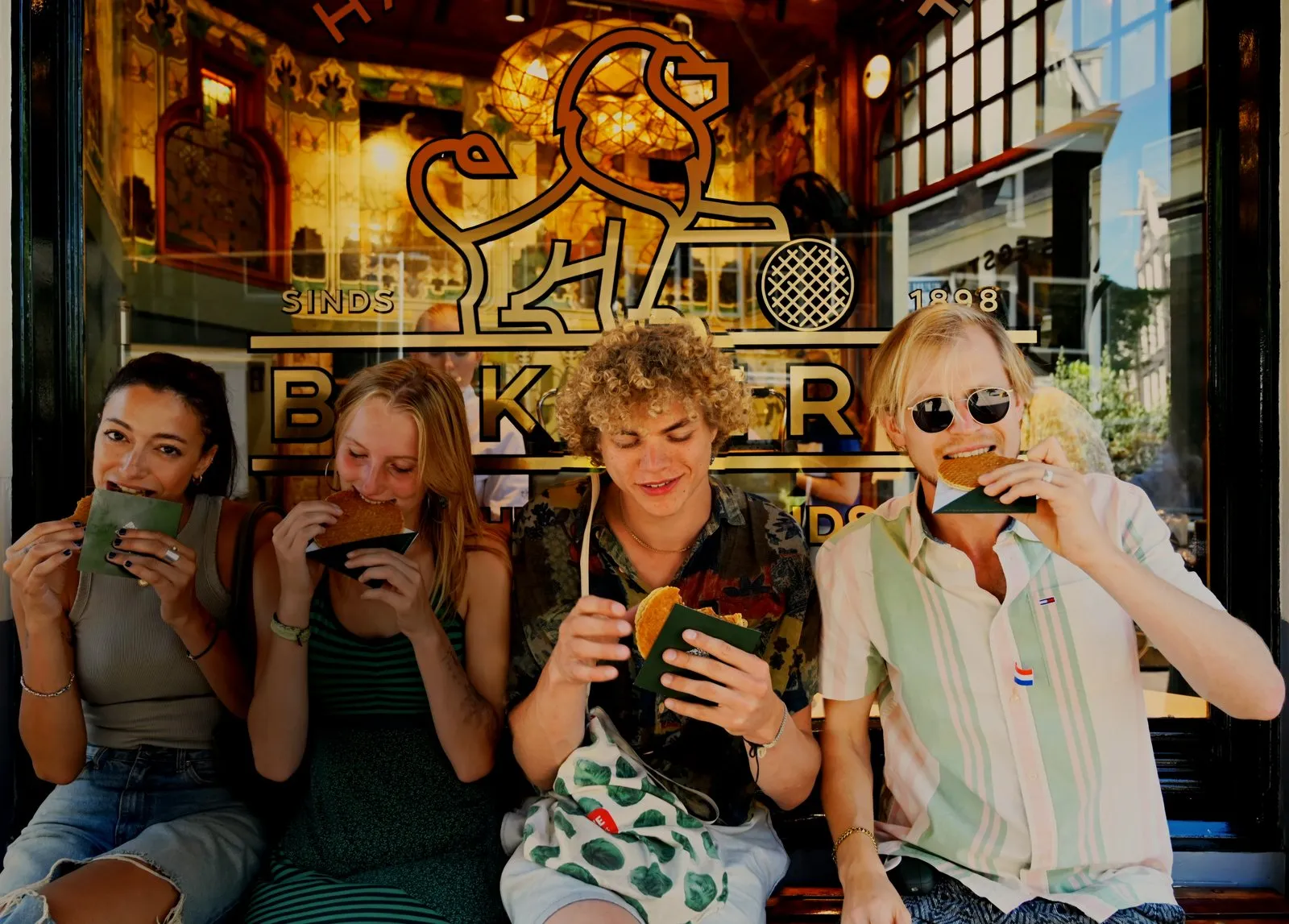
Four food tour guests eating fresh stroopwafels outside a historic Amsterdam bakery

From the tours

10 Tastes of Amsterdam Food Tour Along the UNESCO Canals

From €79 per person, 3 hours