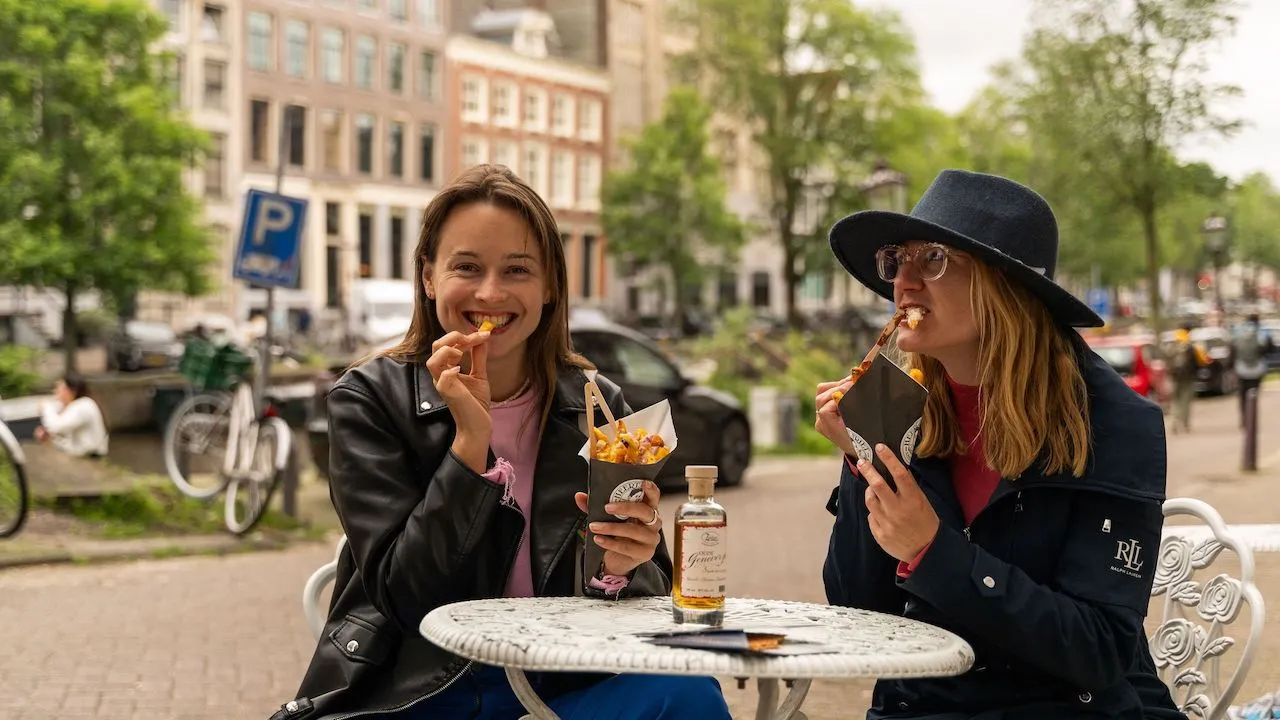
Dutch foods in Amsterdam are easy to experience in one well-paced day, as long as food follows the city’s natural rhythm instead of a rigid restaurant list.
That is the short, honest answer most visitors need before planning anything else.
Food in Amsterdam slips into daily life. It appears between bike rides, market stops, quiet cafés, and late afternoon conversations while on a team-building outing. Meals stay casual. Portions stay modest. Flavor comes from timing and place, not presentation. Once that idea settles in, the rest of the experience starts making sense.
This guide walks through the foods that explain how Amsterdam actually eats. It also addresses the quiet doubts that tend to appear while planning. Is guidance needed? Is this too much food? Does building a day around food really work? Those answers come naturally as the day unfolds.
Dutch Foods in Amsterdam Begin With Rhythm, Not Restaurants
Dutch foods in Amsterdam reveal themselves slowly. Sweet flavors arrive early. Fish and cheese make sense around midday. Fried snacks and beer belong later, when the city relaxes. This pattern matters more than the order of dishes.
Moving through neighborhoods instead of hopping between reservations allows food to feel earned. Streets and markets provide the setting. Stops flow without pressure. Experiences shaped alongside Adam & Eve Tours quietly follow this rhythm, pairing tastings with movement so nothing feels rushed or forced.
Before specific dishes appear, one question usually surfaces.
Amsterdam’s food culture hides in plain sight. Without framing, many places blur together. With the right pacing and stories, even a small bite sticks longer than expected.
1. Stroopwafel: Warm, Soft-Centered, and Always Timed Right
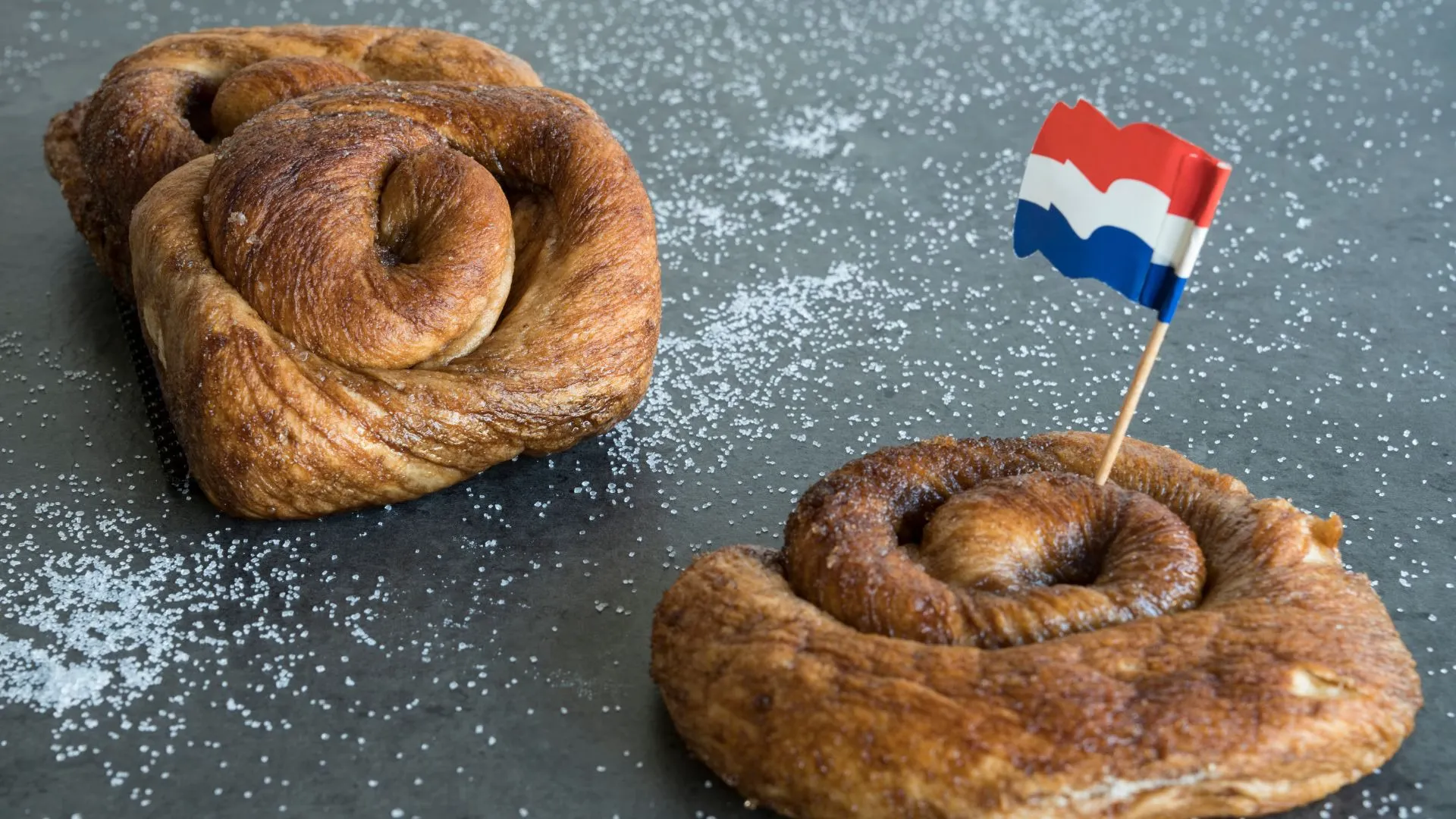
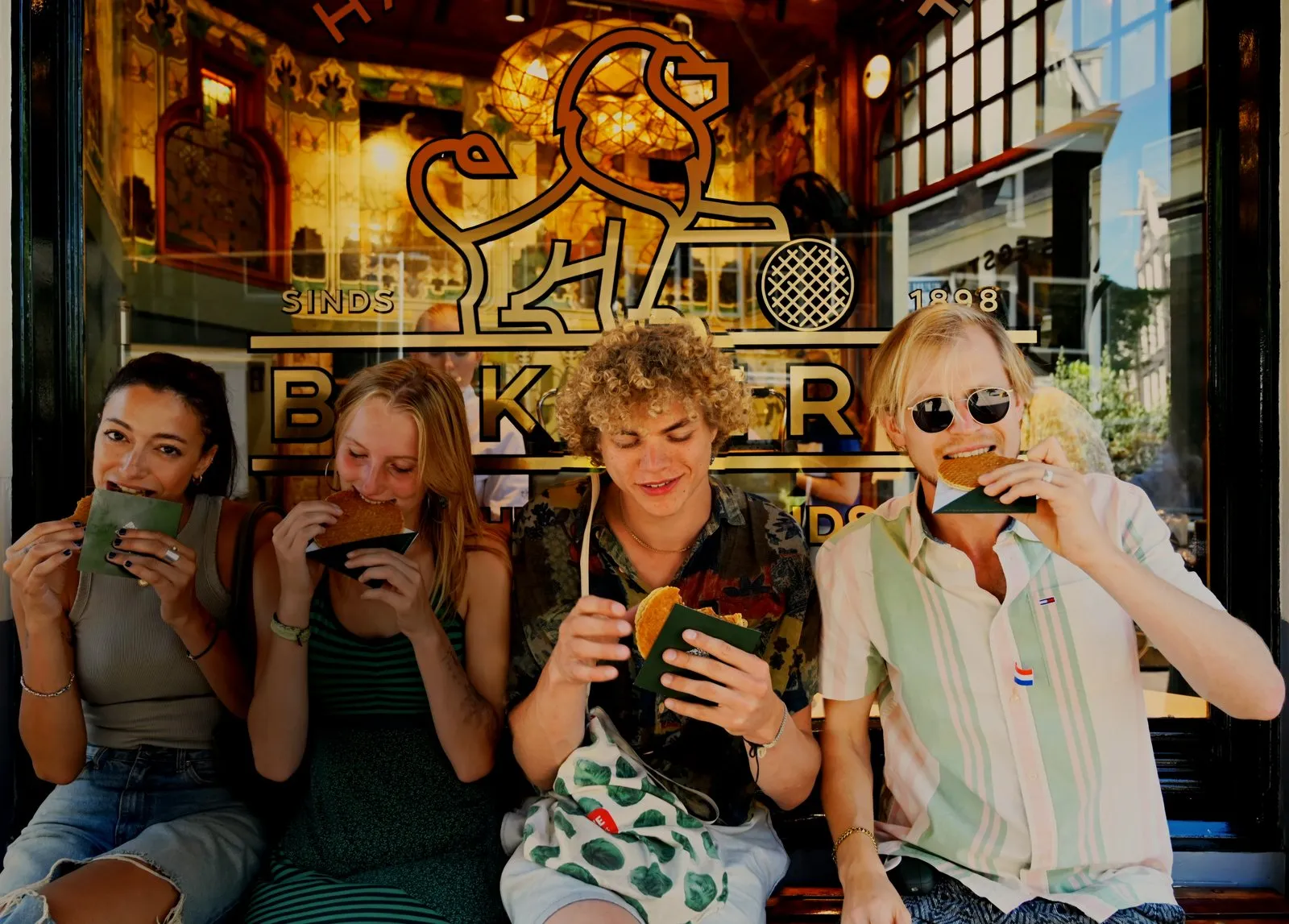
Stroopwafels taste best when made fresh. That detail matters more than any brand or topping. The smell arrives first. Caramel melts between thin waffles. Steam escapes as it is handed over.
Markets deliver the real experience. Locals wait patiently. No performance. No rush. The moment feels ordinary, which is why it works so well.
Early stops often include stroopwafels because they set the tone. On routes like our 10 Tastes of Amsterdam food tour that weave food naturally into the city, this bite usually sparks the first quiet smile.
Things worth noticing while tasting:
- Softness over crunch
- Warm caramel instead of hardened syrup
- Minimal wrapping
2. Cured Herring: A Must-Try for Curious First-Timers
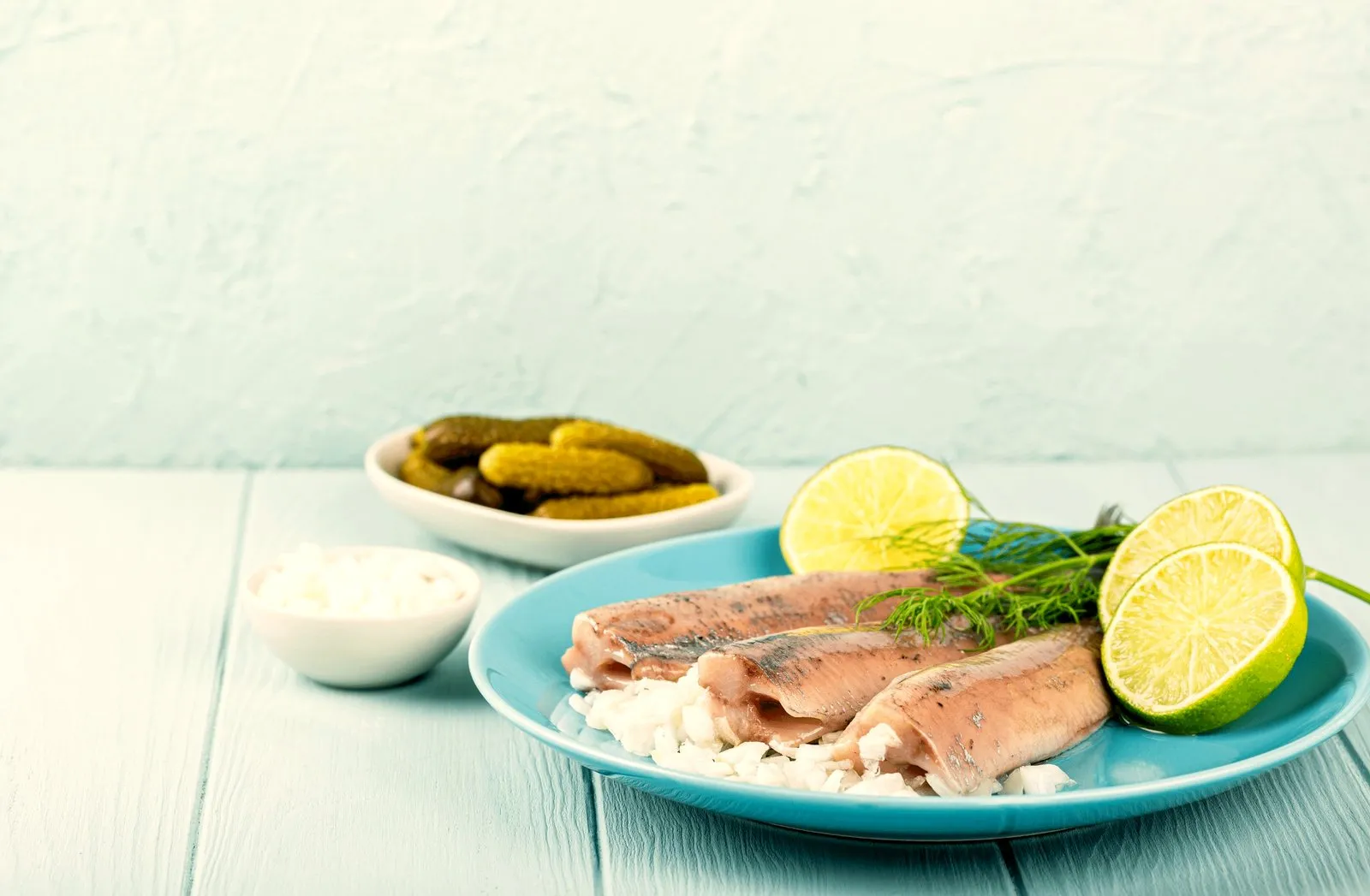
Cured, salted herring creates instant reactions. Some hesitate. Others lean in. Both responses say something.
Served with onions and pickles, this fish tastes clean and mild. Locals eat it standing near stalls that rarely move. No ceremony. No explanation.
Skipping herring means skipping a key conversation with Dutch food culture. Trying it builds context fast.
First-time thinking points:
- No need to rush
- Let the salt arrive first
- Follow local habits
Few Dutch foods in Amsterdam reflect daily habits as clearly as a good herring. It’s eaten quickly, standing up, without explanation, exactly how locals prefer it.
3. Gouda Cheese: Age Matters More Than Brand
Dutch cheese is often misunderstood. Plastic-wrapped blocks tell only part of the story. Aging changes everything.
Young Gouda feels soft and milky. Medium-aged versions deepen. Older wheels crumble and sparkle with crystals. Each age tastes like a different product.
Markets provide clarity. Vendors explain without overselling. Locals sample quietly, comparing textures and age without ceremony. Cheese here is practical, not precious.
Cheese tastings feel most natural when paired with a measured pour of local wine and steady movement through the city.
The Wine & Cheese Tour curated by Adam & Eve Tours places these moments exactly where they belong, letting flavor, place, and pacing do the work without turning the experience into a formal tasting event.
Cheese styles worth tasting:
- Jong for softness
- Belegen for balance
- Oud for depth
Among the best Dutch foods in Amsterdam, cheese always earns attention.
4. Bitterballen: The Symbol of Togetherness Snack
These fried croquettes arrive hot, crisp, and dangerous if rushed. Burning the tongue is almost expected. This snack is always ordered when friends are together.
Bars serve them with mustard. Groups share plates. Nobody eats just one.
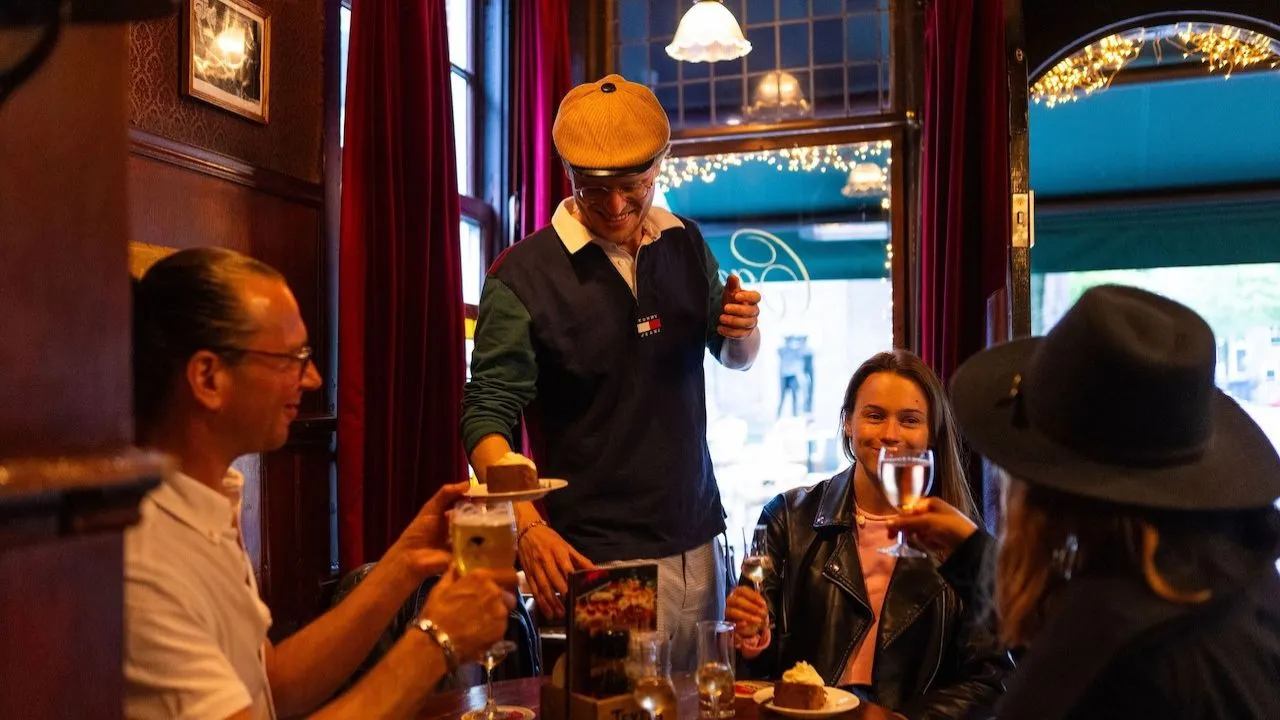
These snacks appear when the city slows. Afternoon drifts into evening. Glasses clink. Stories stretch longer.
They’re perfect after a bike ride or a long walk. Cafés along popular routes understand this instinct. You move first, then slow down with a drink and something to share. Bitterballen fit that pause perfectly.
Unspoken rules:
- Let them cool
- Use mustard lightly
- Share the plate
This is traditional food in Amsterdam acting as social glue.
5. Dutch Fries With Sauce: Simple, Specific, Serious
“Dutch fries are thick and golden crisp outside, soft inside, served in paper cones. Sauce matters more than seasoning, from peanut satay to curry ketchup to proper mayo.
Everyone has their own go-to, and with so many options, choosing becomes part of the ritual. Fries don’t replace meals here.
They fill the gaps post-lunch, pre-dinner, or after a long bike ride. Follow the busy stands. If locals are queuing, quality usually follows.
Local favorites include:
- Satay
- Oorlog with peanut sauce, mayo, and onions
- Plain mayo
Among Dutch foods in Amsterdam, fries carry quiet seriousness.
6. Indonesian and Surinamese Dishes: A Living Food History
Amsterdam’s food story stretches far beyond borders. Indonesian and Surinamese dishes reflect a past that still shapes daily life.
Rijsttafel spreads, spicy stews, and street snacks appear far from tourist zones. These foods are not trends. They are routines.
Understanding these flavors explains more than menus ever could. Food routes that include them acknowledge real history instead of nostalgia.
Adam & Eve Tours places these stops naturally, often shifting perspective halfway through a bite.
Common surprises include:
- Bold spice without heaviness
- Family-run counters
- No tourist signage
Here, Dutch foods in Amsterdam expand beyond expectation.
7. Dutch Apple Pie and Coffee: A Quiet Ending
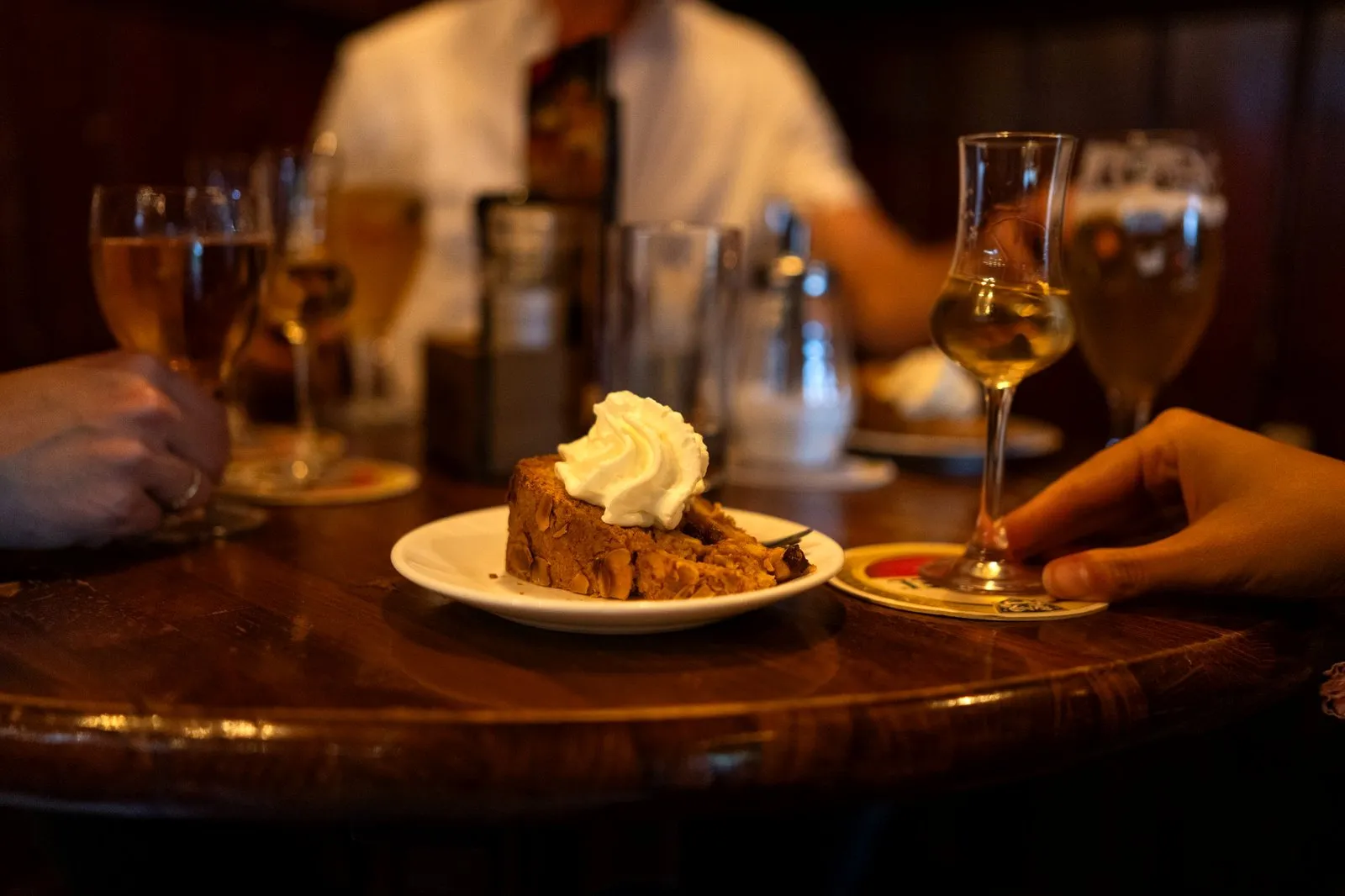
Apple pie here is dense and comforting. Coffee arrives without ceremony.
Cafés invite pauses rather than productivity. Streets stay busy outside. Inside, time slows.
Ending with pie works because locals end days this way. Nothing dramatic. Just complete it.
Stops shaped into thoughtful routes often close here, grounding the experience before heading back into the city.
What makes it memorable:
- Thick crust
- Gentle sweetness
- No pressure to leave
Among the best Dutch food in Amsterdam, simplicity wins.
How Dutch Food Fits Into One Day
Trying to eat everything at once leads to fatigue. Letting food surface naturally keeps energy steady.
A realistic flow looks like this:
- Morning markets and pastries
- Midday fish and cheese
- Afternoon fries or snacks
- Evening bites with beer
- Pie before heading home
This structure mirrors how locals eat. Visitors who follow it avoid confusion and overload.
Bike Routes and Food: Why Movement Changes Everything
Walking works. Bikes work better. Amsterdam rewards steady motion.
Bike food tours open more neighborhoods. Stops feel organic. Backtracking disappears.
The tours shaped this way remove friction. Adam & Eve uses bikes as connective tissue between flavors rather than as a separate activity.
Why movement improves food experiences:
- Better pacing
- More variety
- Less decision fatigue
Food tastes better when the body stays in motion.
Turning Dutch Food Into a Team Experience
Food lowers barriers. Shared plates spark easy conversation. Movement removes awkward pauses.
In Amsterdam, this combination works especially well for teams. Cycling between tastings keeps energy aligned. Small portions invite conversation instead of silence. Shared plates break formality fast.
Team-building experiences shaped around Dutch foods in Amsterdam feel natural when the day moves together. Adam & Eve Tours structures these moments with intention, allowing food, movement, and optional additions like canal time or guided walks to extend connection without forcing it.
Ways team outings often expand naturally:
- Curated local drinks paired with tastings
- A relaxed canal cruise once energy peaks
- A guided Red Light District walk ending at a socially conscious brewery
- Extra bike time through lesser-known neighborhoods
These additions feel less like extras and more like natural next chapters when paced correctly.
Dutch food does not try to impress loudly. It settles in slowly. Markets matter more than menus. Timing matters more than lists.
So the real question becomes simple. Is the goal to tick off dishes or to understand how Amsterdam actually eats?