Amsterdam’s food is simple, but it’s never random. Every dish you see today is shaped by trade, survival, and everyday life going back centuries.
If you understand why locals eat what they eat, your experience changes completely.
Most visitors don’t get this right.
They eat quickly, stay in busy areas, and miss the story behind the food. Then they leave thinking Amsterdam isn’t a food city.
It is. You just need to approach it like a local.
Why Food in Amsterdam Feels So Honest
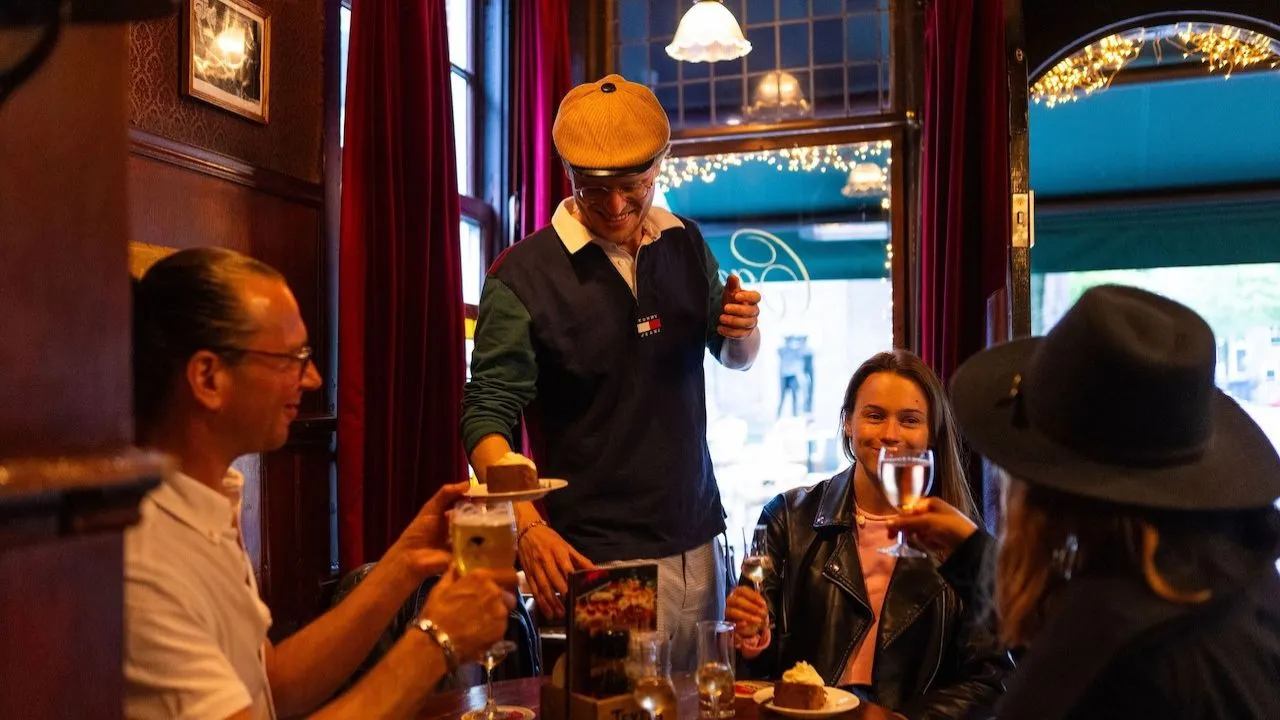
If you sit in a brown café around early evening, you’ll notice something immediately.
No one is rushing.
Meals stretch longer than expected. Drinks stay on the table. Conversations matter more than timing.
That rhythm comes from history.
During the 17th century Dutch Golden Age, Amsterdam became one of the world’s most important trading hubs. Ships brought spices, cocoa, sugar, and fish into the city.
But here’s the key insight.
Even with access to global ingredients, Dutch food stayed practical.
It had to be:
-
Filling
-
Reliable
-
Easy to prepare
That mindset still defines what Dutch food is today.
Before You Start: What Most First-Time Visitors Get Wrong
Let’s make this practical.
You might be thinking:
-
“Where do I start?”
-
“Will I actually like these foods?”
-
“Should I just explore freely?”
Here’s what we see all the time.
Most travellers spend their first day guessing. They eat in tourist-heavy areas. They miss the foods that actually define the city.
If you want to experience it properly, go local.
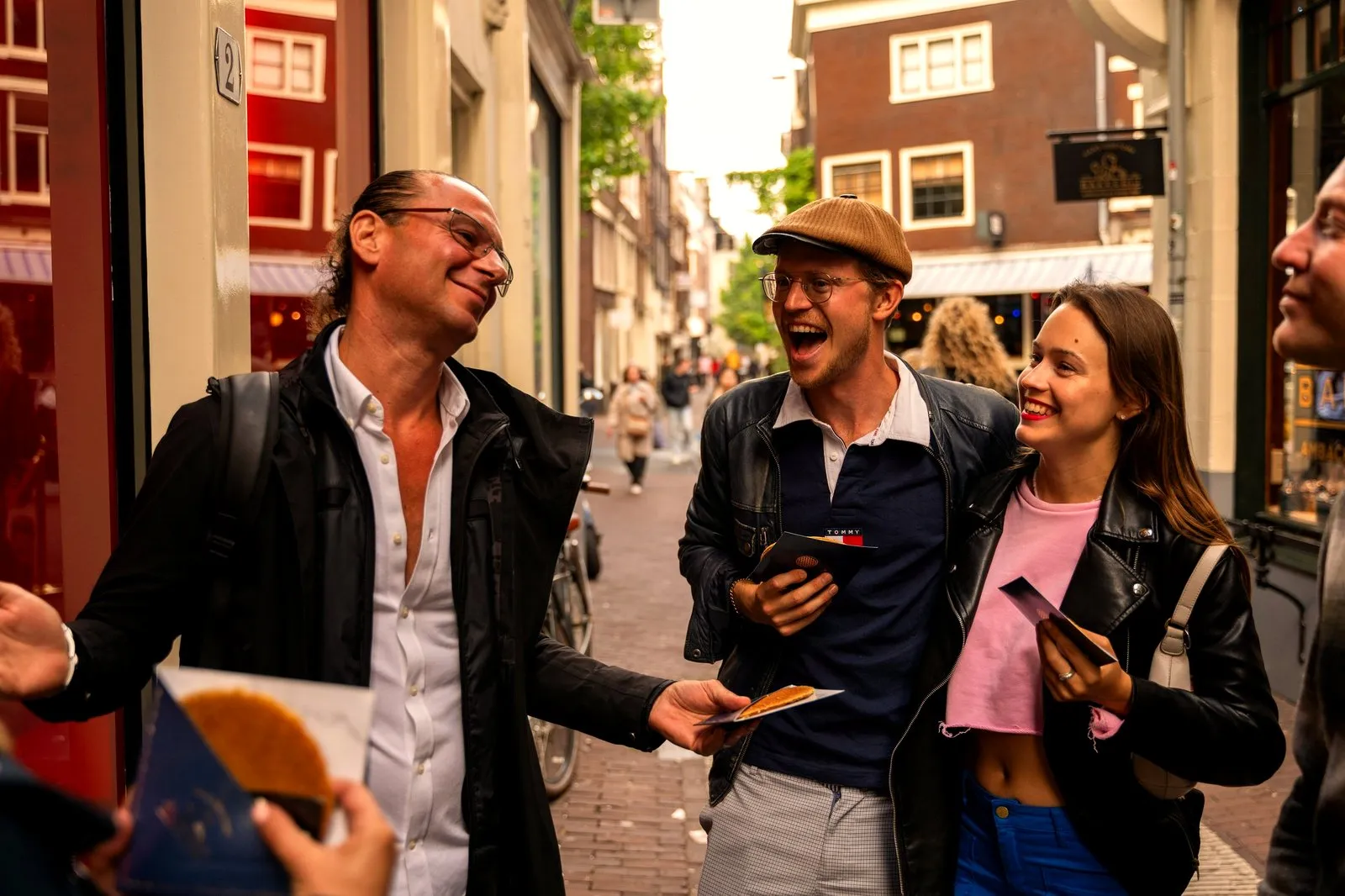
A structured experience like an Amsterdam Food Tour helps you see the full picture. You’re not just eating. You’re following a curated path with context, timing, and real stories behind every stop.
And here’s something many visitors don’t realise.
You’re not limited to one format.
Depending on how you like to explore, you can:
-
Take a private bike food tour and cover more neighbourhoods naturally
-
Plan a private group or team experience tailored to your pace
-
Or slow things down with a Brews & Bites experience on a private Amsterdam boat
Each version changes how you experience the same food.
1. Stroopwafel: Born From Scarcity, Not Luxury
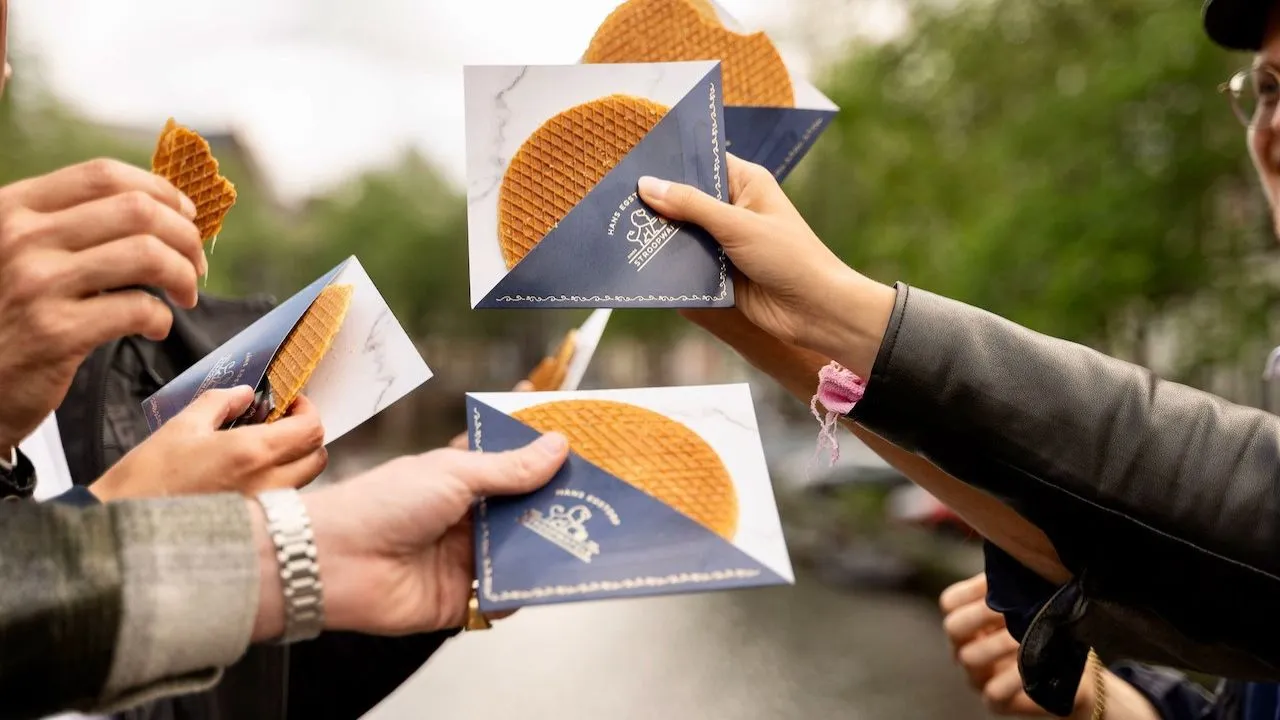
You will smell this treat before even seeing it. Sweet caramel and warm dough fill the air near markets.
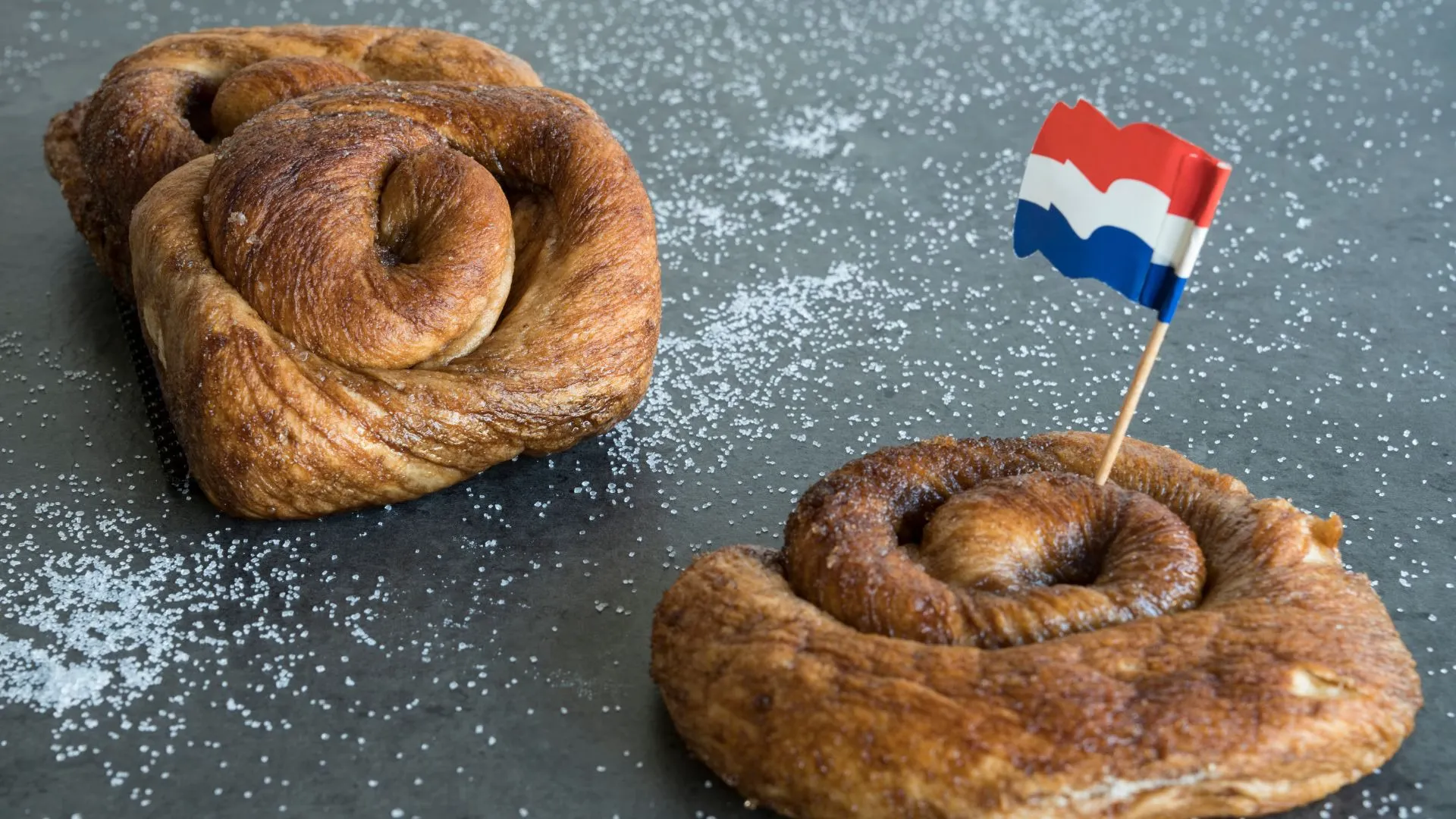
Stroopwafel comes from Gouda, some time in the nineteenth century. The story about bakers using up leftover crumbs is not true. Nobody can date the first one either. The oldest surviving recipe is from 1840. Gouda’s gasworks opened in 1853, and one historian argues the bake needs a gas flame. A stroopwafel iron is first documented in 1864. It was a poor man’s snack, armenkoeken, that became a national favorite.
Today, it is still best enjoyed the same way. Get it fresh, straight from a hot press. The caramel melts and turns soft and gooey.
Locals will tell you one thing clearly. Packaged ones are fine, but fresh is a different experience.
2. Herring: The Fish That Built Dutch Power
This one has real history behind it. Herring helped build the Dutch economy centuries ago. Fishermen developed curing methods that preserved fish at sea. That allowed long voyages and strong trade networks.
So when you try it, you’re tasting history.
It is served with onions and pickles for balance. You may see locals holding it by the tail. Yes, it looks unusual, but it is completely normal here.
If you feel unsure, start with a small bite. Many people are surprised by how fresh it tastes.
3. Poffertjes: From Monasteries to Markets
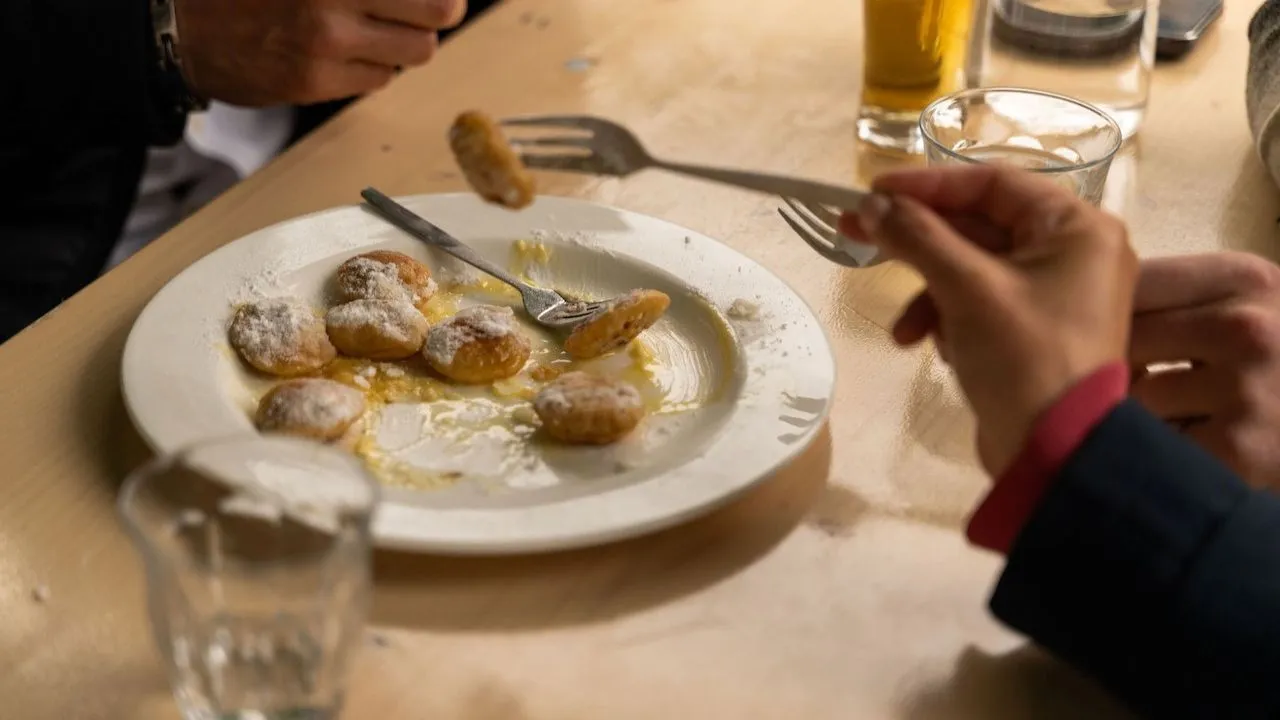
Now this is a lighter, happier stop on your walk.
Poffertjes started in monasteries many years ago. Later, they became popular at fairs and street markets. They were quick to make and easy to sell.
You will see them cooking in small round pans. Each one puffs up into a soft, fluffy bite. They come with butter and a dusting of sugar. Simple ingredients, but the taste feels comforting.
You will notice something here. People slow down while eating them. They stand, chat, and enjoy the moment.
And that is the real charm of Amsterdam food culture.
4. Dutch Cheese: A Golden Age Export
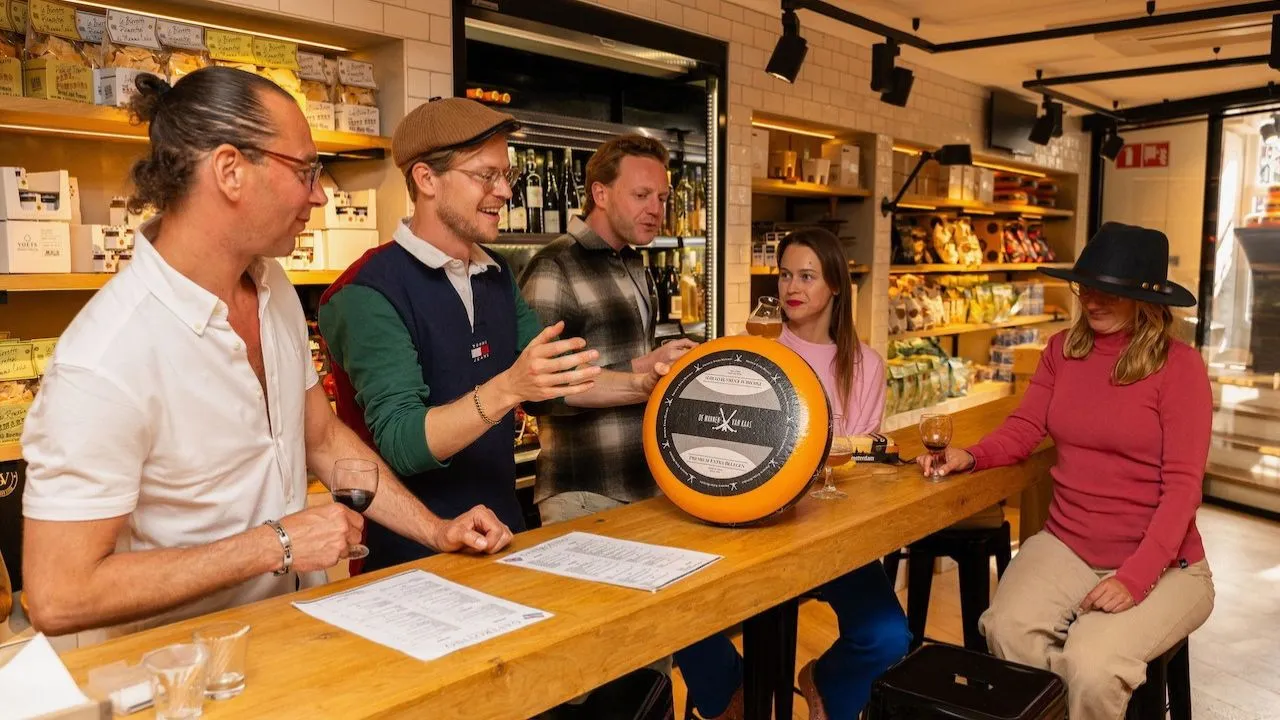
Cheese is a big part of Dutch food culture. The Netherlands has traded cheese for centuries. That history still shows in Amsterdam today. You will find many styles and flavors.
During the 17th century, Dutch cheese became a major export across Europe.
It travelled well and lasted long journeys. That made it valuable in a trading economy.
That’s why aging matters so much here.
Locals don’t treat cheese casually.
If you’re choosing:
-
Try aged gouda
-
Ask for samples
-
Compare textures
It’s one of the easiest ways to understand local taste.
5. Bitterballen: A Social Habit That Stayed
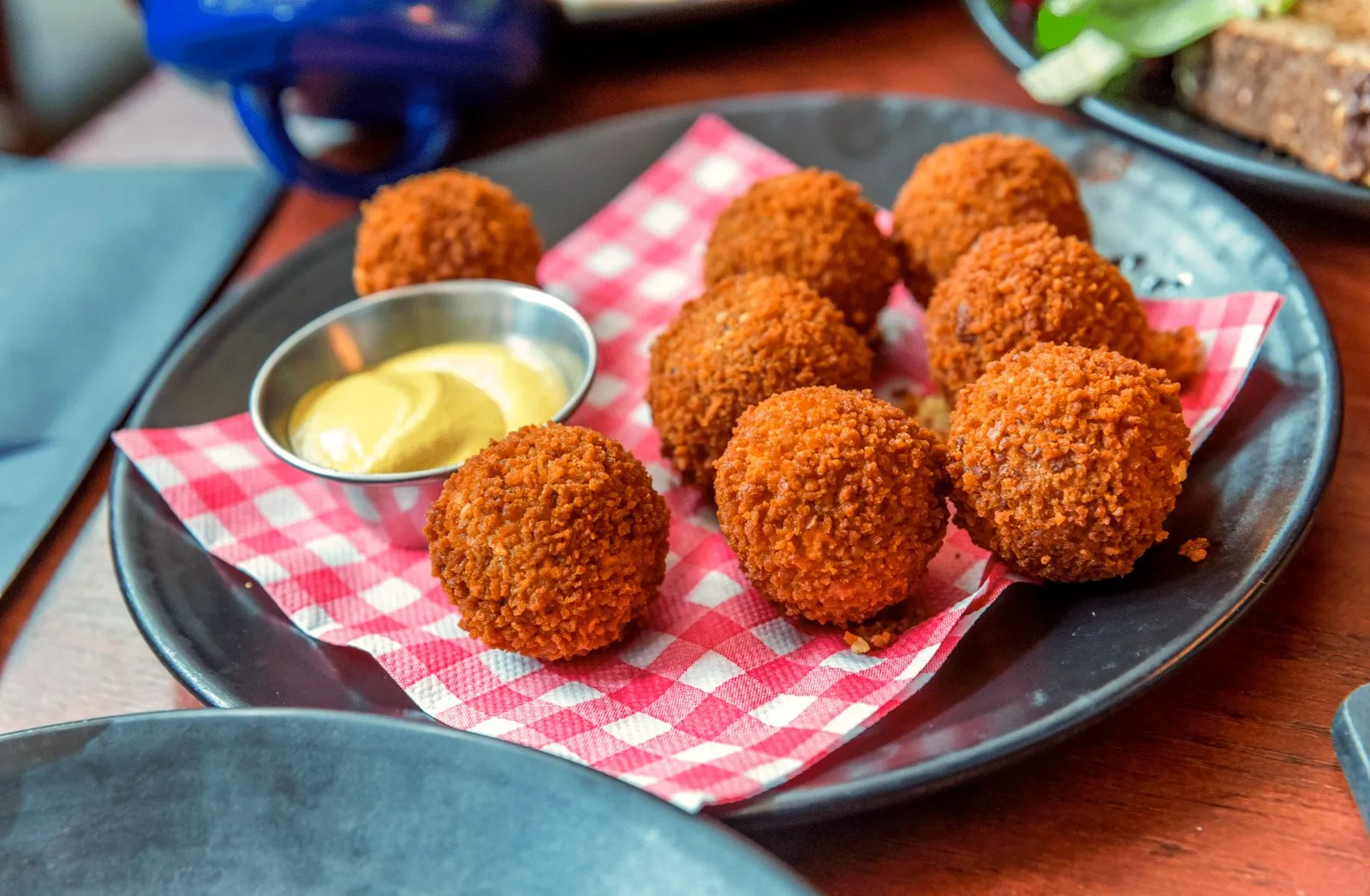
Bitterballen are crispy fried snack balls. They are a classic Dutch bar food. They came from the habit of using leftover stew. That made them practical and tasty.
The outside is crunchy. The inside is rich and soft. They are usually served with mustard. They go very well with a drink.
6. Fries With Mayo: Simple, But Intentional
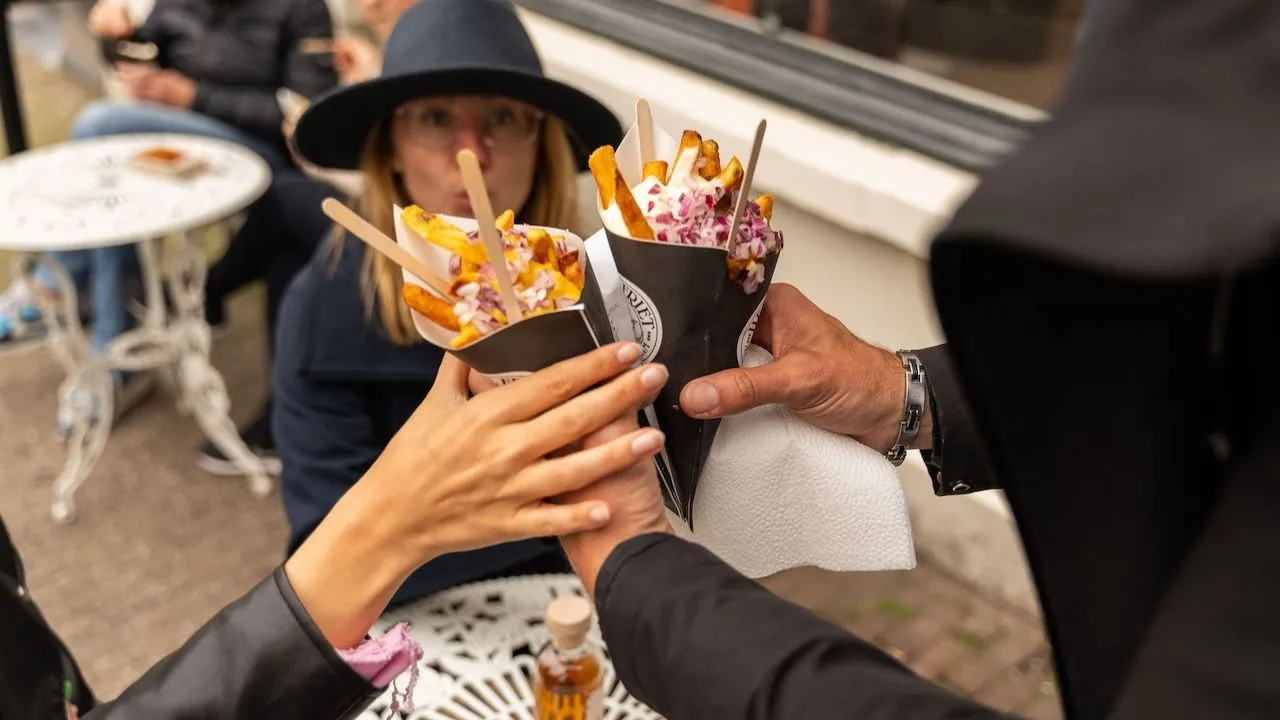
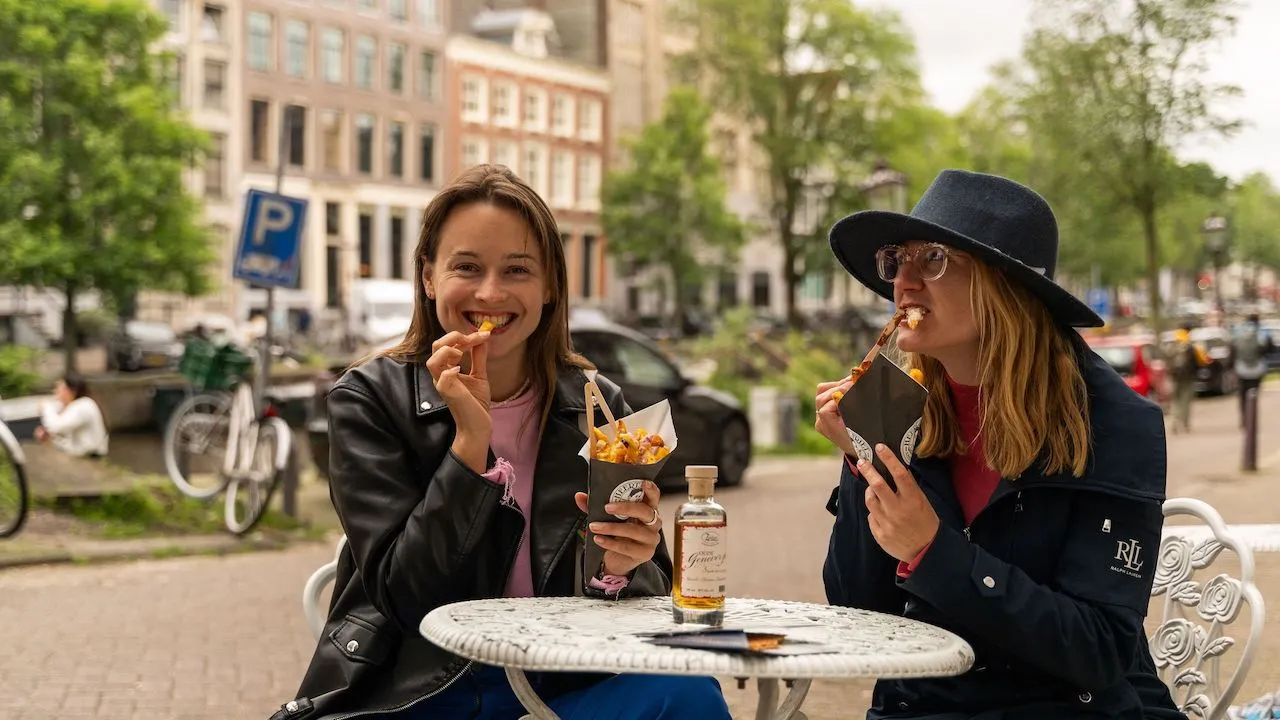
Dutch fries are simple but very loved. They come in paper cones or trays. The mayo is thick and creamy. That is the local way to eat them.
This is comfort food after a long walk. It is salty, hot, and easy to share. You do not need a big reason to order it. Sometimes fries are just the right answer.
7. Apple Pie: The Pause You Didn’t Expect
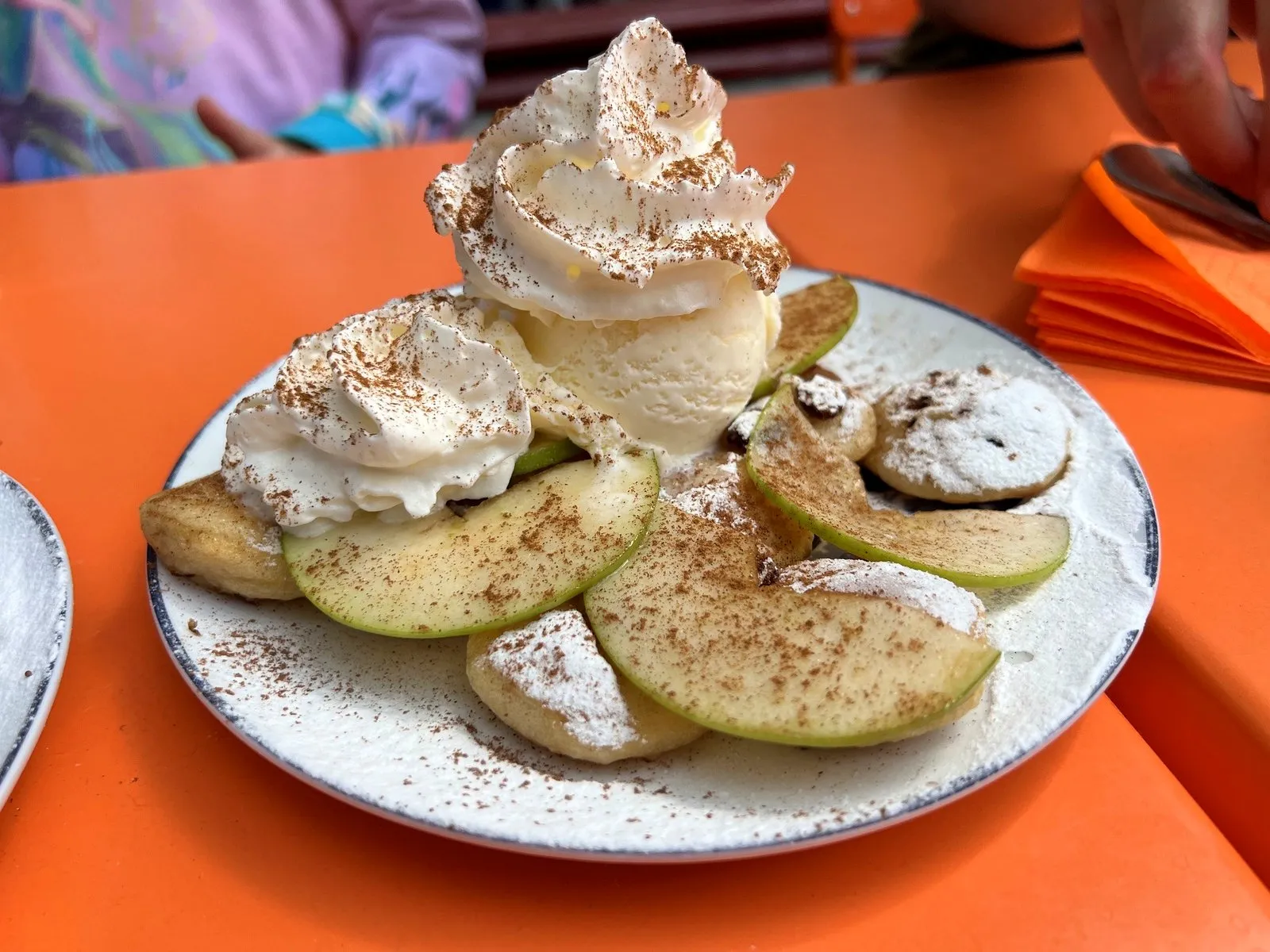
Dutch apple pie is deeper and heavier than many visitors expect. It usually has a thick crust, cinnamon, and sometimes raisins. It became popular in cafés because it was easy to make and perfect with coffee.
In Amsterdam, apple pie is more than dessert. It is a pause and tradition. It is the kind of thing you order when you want to sit down, breathe, and watch the city go by. Our 10 Tastes food tour often ends with apple pie in a brown café, which feels very local.
8. Pannenkoeken: Everyday Flexibility
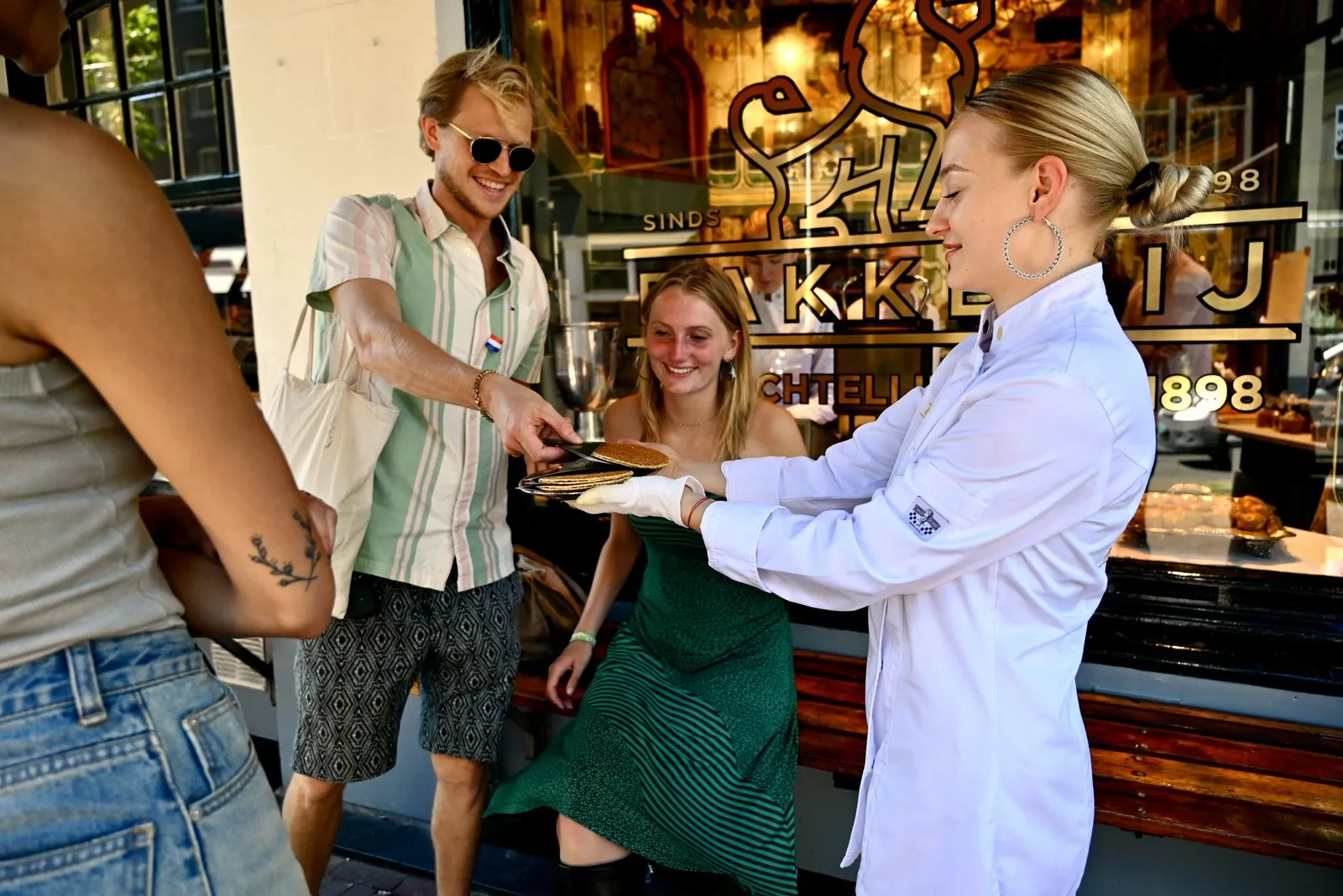
Dutch pancakes are larger and thinner than many other styles. They can be sweet or savory, which makes them useful at any time of day. That flexibility is part of why locals love them.
You may see them topped with cheese, apples, bacon, or syrup. They work well for breakfast, lunch, or dinner. If you want a meal that feels easy and filling, this is a great choice.
9. Kroket: Crispy on the outside, rich and creamy inside
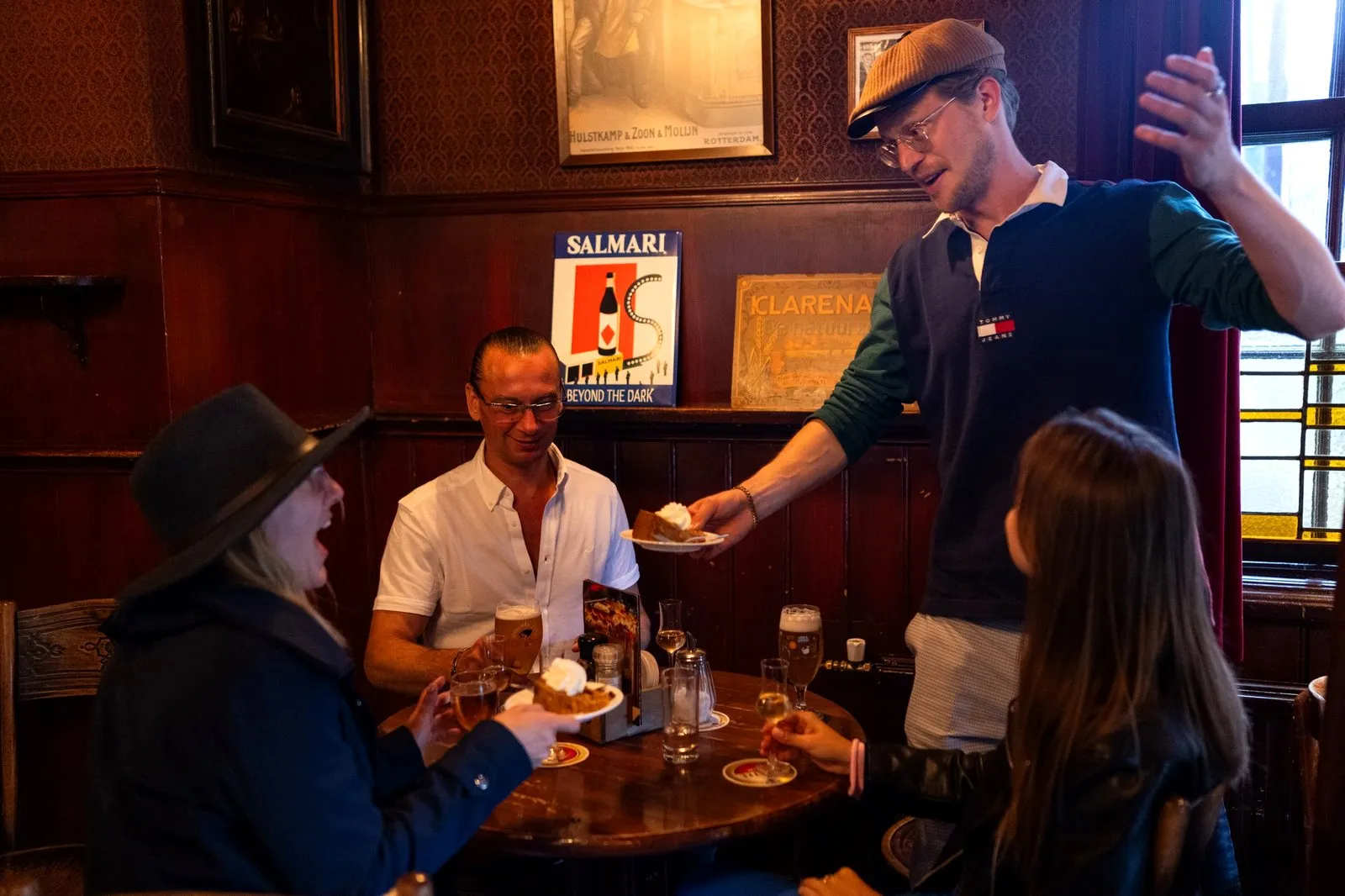
A kroket is a fried croquette with a creamy filling inside. It became popular as an affordable snack and is still common in snack bars and cafés. It is one of the best examples of Dutch comfort food.
The outside is crispy, while the inside is soft and savory. You can eat it as a quick snack or with bread for a fuller meal. It is simple food, but it tells you a lot about local taste.
10. Smoked Eel: A Link to Fishing History
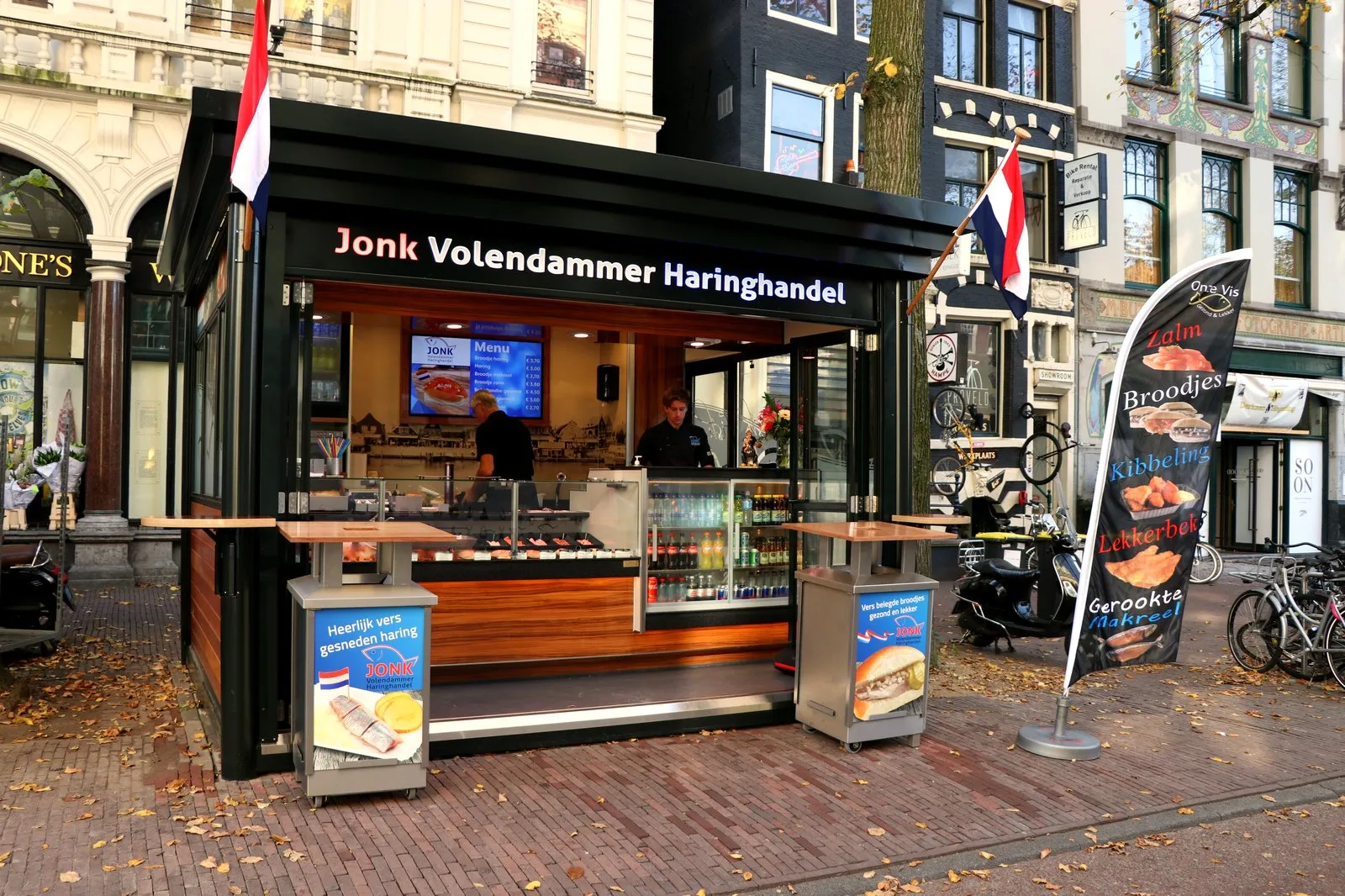
Eel is part of older Dutch fishing culture and still shows up in traditional food spots. Smoked eel is the version many travelers try first. It has a richer flavor than plain fish, but it is usually smoother than people expect.
This is one of the foods that can make a trip feel more local. If you’re unsure, treat it as a tasting moment rather than a full meal. Try a small portion and decide from there.
11. Dutch Chocolate: Trade Turned Craft

Dutch chocolate has a long trade story behind it. Cocoa changed European sweets forever. The Netherlands became part of that history early. That is why chocolate matters here.
You will find pralines, bars, and hot chocolate. Many taste smooth and balanced. It is a nice break between salty foods. A little chocolate goes a long way.
12. Jenever: The Original Dutch Spirit
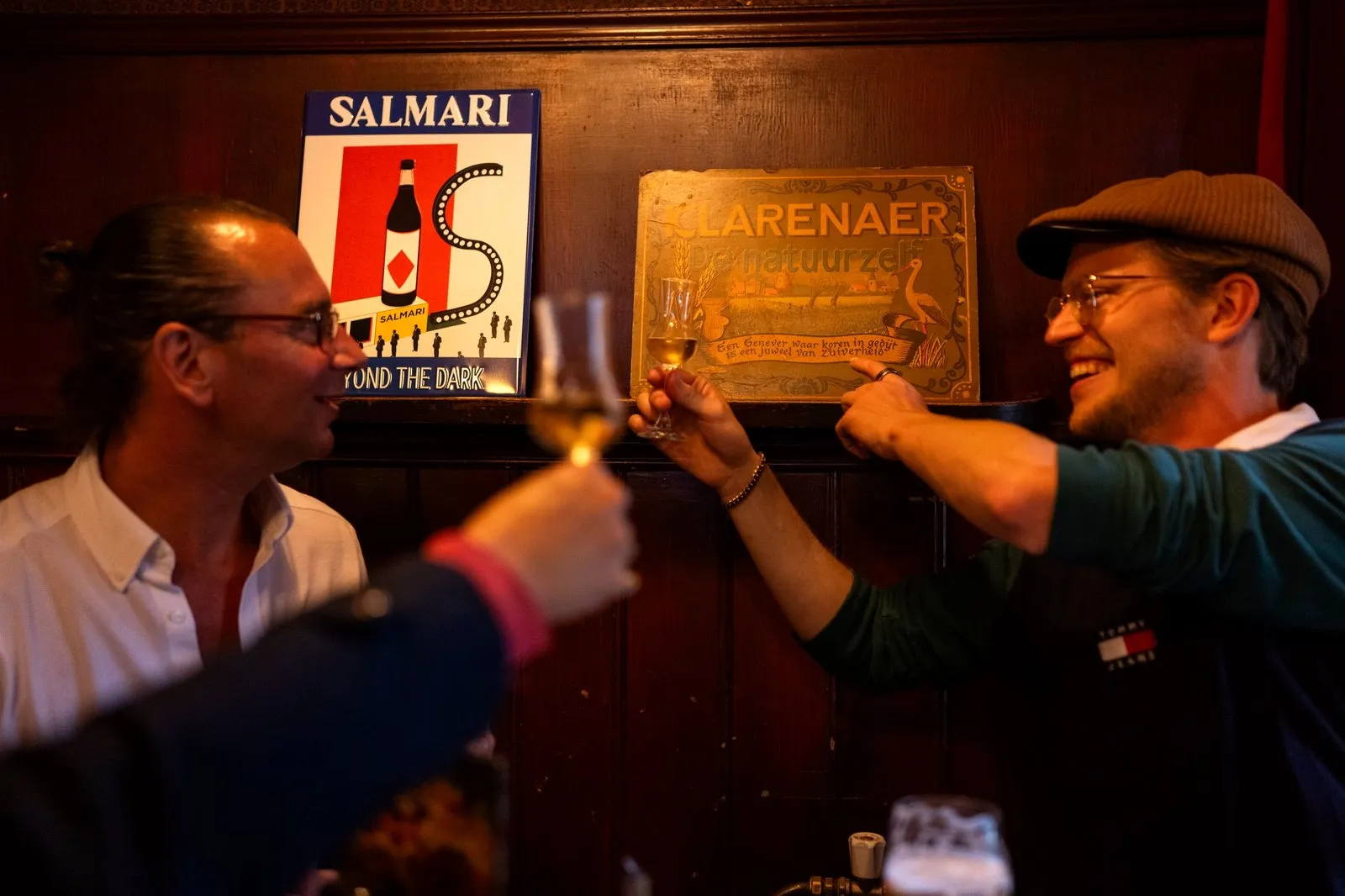
Jenever is the old Dutch spirit. It came before modern gin. It has been part of Dutch drinking culture for centuries. People used it in taverns and social settings.
It is usually served in a small glass. Some drink it with beer beside it. You should sip it slowly. That is the local way to enjoy it.
Best Places to Try Amsterdam’s Famous Food
If you want the best food, skip the random tourist spots. Walk where locals eat, not where huge crowds rush. That is where food feels real, not staged for photos.
You will notice it in small cafés and busy markets. Places where recipes stayed the same for years. And where locals still stop for quick, familiar bites.
Now think about this for a moment. Do you want food only, or the story behind it? Why is herring cured, not cooked, and eaten with onions? Why do brown cafés feel so important here? A good guide answers these as you walk and taste.
Jordaan is perfect for slow café culture and sweets. De Pijp feels lively, with bold street food energy. Albert Cuyp Market gives you variety in one easy walk. Brown cafés are ideal for bitterballen and apple pie.
You can explore all this on your own, of course. But sometimes, a local touch makes things clearer. For example, an Amsterdam Food Tour can guide your route. With Adam & Eve Tours, you taste and learn at the same time.
If you like to stay active, a bike route works well so you can take a bike food tour. You cover more streets and discover hidden food stops.
If you’re with your own group, things can be flexible. A team-style experience lets you shape the plan together. You choose the pace, stops, and kind of food you want.
And if you prefer something slower, think about the canals. A quiet private boat ride with food and drinks feels very Amsterdam. It is less about rushing, and more about soaking it in.
Quick food route for first-time visitors
Start with a stroopwafel in the morning. Then, try cheese or herring for lunch. Save bitterballen for the afternoon. Finish with apple pie and coffee.
If you want a full local day, book a guided food tour. That takes the planning pressure off your shoulders. It also helps you eat with more confidence. And that matters when you’re new in the city.
Amsterdam’s famous food is not about eating fast. It is about tasting the city with care and genuine interest.