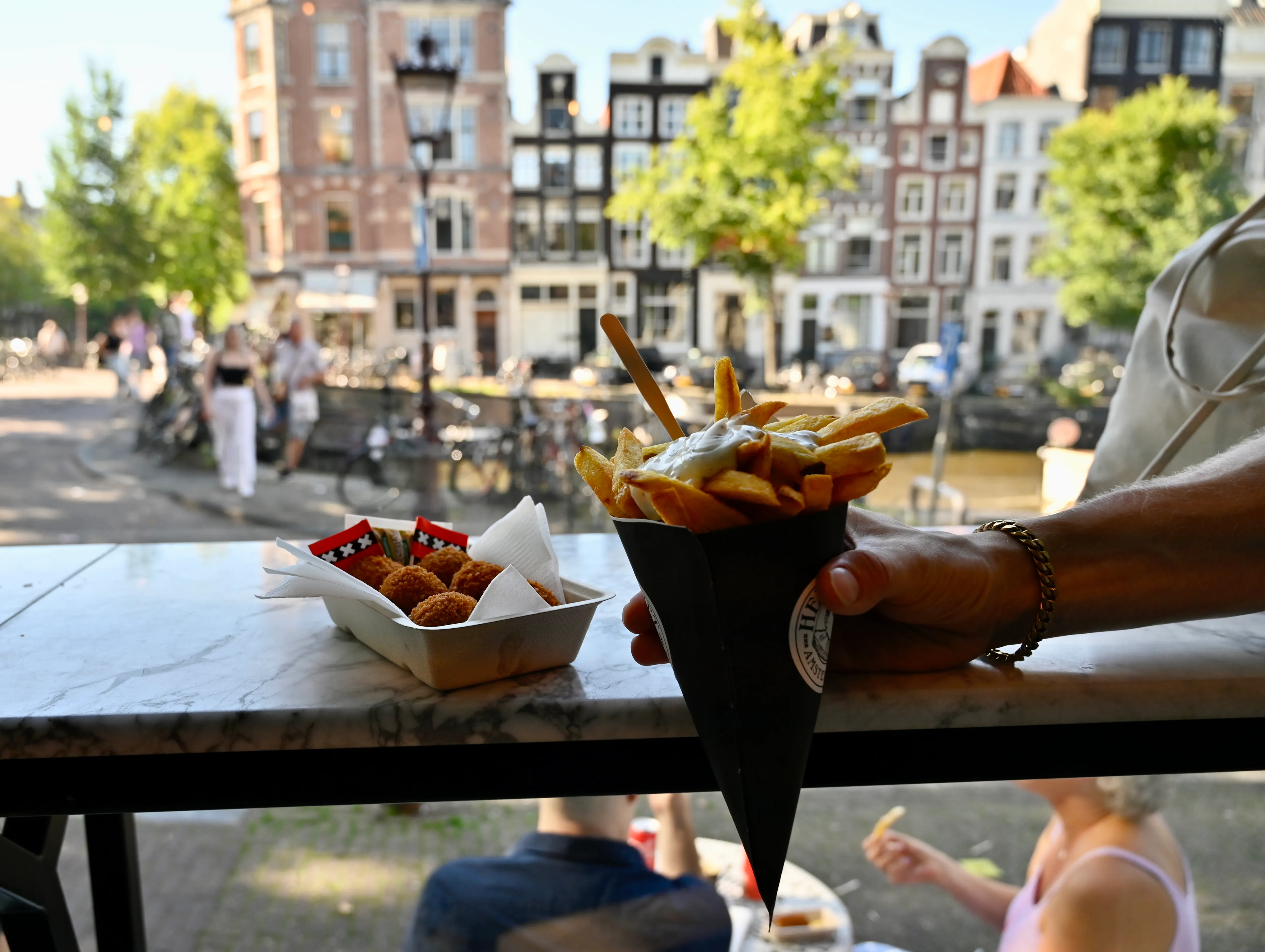
When people ask, what is traditional Dutch food, they often imagine cheese, windmills, and maybe a plate full of potatoes. But Dutch cuisine is so much more than that. It’s a hearty, honest, and deeply satisfying culinary tradition rooted in practicality, geography, and history. With influences from surrounding countries like Germany and Belgium, as well as its seafaring past that brought in spices and ingredients from around the world, traditional Dutch food has developed into a unique and recognizable cuisine.
From comforting winter stews to crispy fried snacks enjoyed with a beer, every typical Dutch meal tells a story. The Netherlands, known for its flat lands and fertile soil, has always had access to fresh produce, dairy, and seafood. This has shaped the meals and ingredients that form the backbone of Dutch food culture. You’ll find that the cuisine isn’t about flashy presentation or exotic ingredients-it’s about nourishment, warmth, and community.
The Dutch also take pride in their traditions. Whether it’s a steaming plate of stamppot shared during the colder months or sweet stroopwafels enjoyed at a market, food is at the center of daily life and seasonal celebration.
So, if you’re curious and wondering what is a typical Dutch dinner or what is a typical Dutch meal, you’re in for a close look at one of Europe’s most underappreciated but utterly charming food cultures.
What Is Typical Dutch Food?
Let’s tackle the big question head-on: what is typical Dutch food? The short answer-hearty, simple, and satisfying. Dutch cuisine centers around a few core ingredients: potatoes, meat (especially pork and beef), vegetables like cabbage and carrots, bread, and lots of dairy. These basics are used to create meals that are warming, nutritious, and perfect for the Netherlands’ chilly, damp climate.
One thing you’ll notice right away is the Dutch love for one-pot meals. Efficiency is key in Dutch cooking. Think dishes like hutspot (a mashed mix of potatoes, carrots, and onions) or erwtensoep (a thick split pea soup). These meals are not only filling but also economical and easy to prepare for large families.
Cheese is another huge part of typical Dutch food. The Netherlands is one of the largest cheese exporters in the world, and it shows in the local diet. Whether it’s a simple slice of Gouda on a buttered piece of bread or a platter of aged cheeses served with mustard, cheese finds its way into breakfast, lunch, and snacks.
Sweet and savory snacks also play a starring role. From bitterballen (crispy meat-filled balls) to stroopwafels (syrup-filled waffle cookies), the Dutch have perfected the art of small bites that pack big flavor, which is exactly what the 10 Tastes food tour is built around.
In essence, what is traditional Dutch food if not a blend of nostalgia, comfort, and delicious simplicity?
Regional Differences in Dutch Cuisine
Even though the Netherlands is a relatively small country, you’ll find surprising diversity when it comes to regional food. What you’ll eat in Friesland, up in the north, can be quite different from the food served in Limburg in the south.
In the north, where the climate is harsher and the sea is nearby, fish-based dishes are more common. Think of cured herring, eel, and mussels. You’ll also find heartier stews and soups to combat the cold.
Southern Dutch cuisine, especially in areas close to Belgium, tends to be a bit richer and more indulgent. Here, you’ll find dishes influenced by French and Belgian cooking-more spices, more sauces, and desserts that lean on the decadent side.
In coastal towns, seafood naturally dominates the menu. Fried fish, shrimp croquettes, and cured herring are staples here. You eat herring Dutch-style by holding it by the tail and letting it slide into your mouth-sounds odd, but it’s a beloved tradition!
There are also regional desserts and pastries that you won’t find elsewhere, like Bossche Bollen (giant cream-filled chocolate pastries from Den Bosch) and Limburgse Vlaai (a tart with sweet fruit filling). So while the basics of typical Dutch food remain the same, the local twists make exploring the cuisine even more fun.
What Is a Typical Dutch Meal Like?
Now let’s break down the structure of a typical Dutch meal. Dutch meals are pretty straightforward but very different from what you might be used to if you’re from a country that emphasizes big lunches or multi-course dinners.
Breakfast (ontbijt) in the Netherlands is usually quick and simple. Think bread with butter and cheese or slices of cold cuts. Sweet options are popular too-like chocolate sprinkles (hagelslag) on buttered bread. Yes, you read that right-chocolate sprinkles for breakfast. Add a cup of coffee or tea, and you’re ready to start the day.
Lunch (lunch) is similar in style to breakfast. It often includes more bread, maybe some soup, or a small salad. Sandwiches (broodjes) are super popular and are usually cold. Lunch is typically eaten around noon and is relatively light.
Dinner (avondeten) is the main meal of the day and usually served between 5:30 and 7:00 PM. This is where traditional Dutch food really shines. The meal often includes potatoes, a protein (like meatballs, sausage, or a pork chop), and vegetables-either boiled or mashed into the potatoes. Sauces like gravy or mustard may accompany the dish.
Meals are often eaten at the family table, and while Dutch dining isn’t overly formal, there’s a strong sense of routine and tradition.
What Is a Typical Dutch Dinner?
If you’re curious about what is a typical Dutch dinner, you’re about to step into the heart of the Netherlands’ culinary culture. Dutch dinners, though simple in appearance, are all about comfort, flavor, and tradition. They’re usually served early in the evening and are considered the main meal of the day. This is when families gather around the table, especially during colder months, to enjoy a hearty and satisfying meal.
So, what exactly makes up a typical Dutch dinner? Think of it as a warm plate filled with three key components: a meat-based protein, vegetables, and some form of potatoes. The Dutch adore potatoes-mashed, boiled, fried, or baked. It’s not uncommon to see several potato dishes rotating through the week, often paired with vegetables like green beans, carrots, kale, or red cabbage.
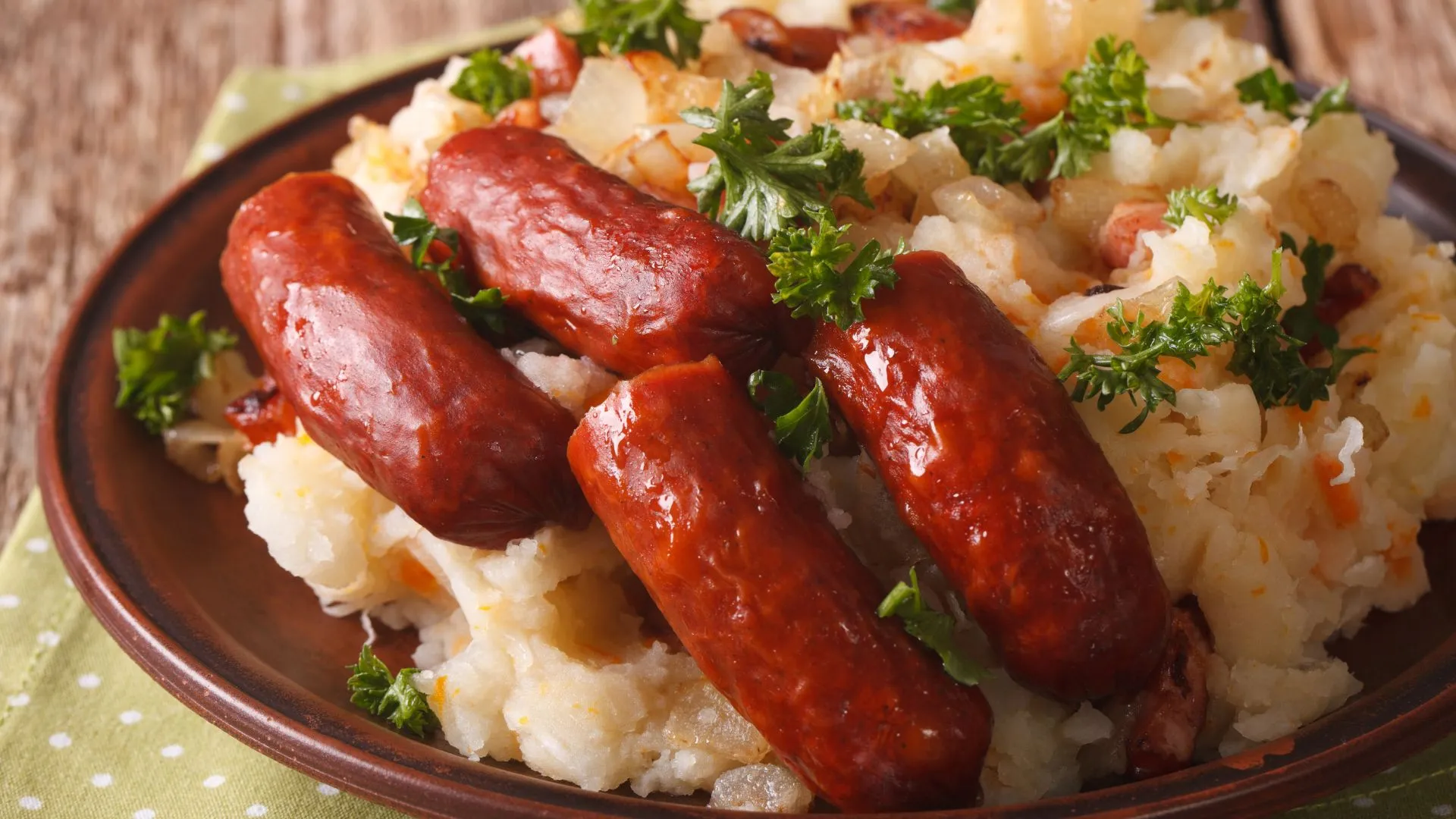
One of the most iconic features of Dutch dinners is the use of “one-pot” meals or “stamppot” dishes, which blend mashed potatoes with veggies like kale (boerenkool), endive (andijvie), or carrots and onions (hutspot). These are usually topped with a juicy smoked sausage (rookworst) or a slice of well-seasoned meat. Add a ladle of gravy, and you’re set.
Meals are eaten with a knife and fork, and the Dutch are particular about cutting their food into neat, manageable pieces. There’s also a strong sense of balance in Dutch dinners-nothing too heavy, but definitely filling and flavorful.
Whether it’s a weeknight meal or a Sunday family dinner, the Dutch dinner plate reflects the country’s love for simplicity, balance, and good, honest food. And of course, there’s always room for dessert-something like vla (a custard-like pudding) or a piece of fruit to end the meal on a sweet note.
Stamppot - The Quintessential Dutch Comfort Food
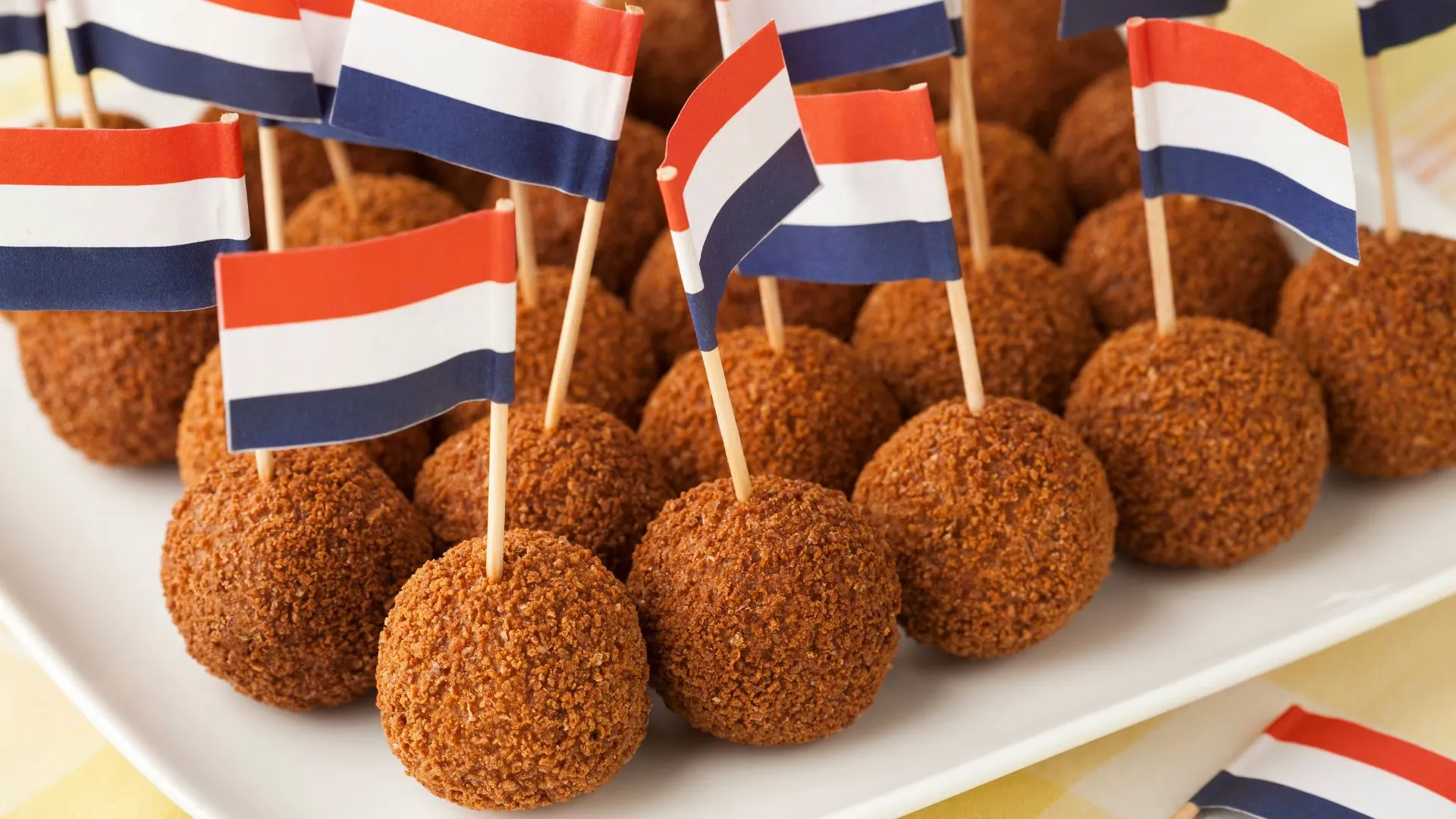
When asking what is traditional Dutch food, no answer is complete without mentioning stamppot. This iconic dish is the ultimate comfort food in the Netherlands, and it perfectly represents what a typical Dutch meal is all about: simple, hearty, and soul-warming.
Stamppot is a mashed dish that combines potatoes with one or more vegetables. Common variations include:
- Boerenkool stamppot: mashed potatoes with curly kale
- Zuurkool stamppot: with sauerkraut for a tangy twist
- Hutspot: mashed potatoes with carrots and onions
- Andijvie stamppot: using raw endive leaves stirred into hot mashed potatoes
What takes stamppot to next-level deliciousness is the addition of rookworst, a smoky Dutch sausage with a firm bite and rich, savory flavor. Some people also enjoy pouring a bit of gravy into a well made in the center of the mash, creating a comforting, savory “potato volcano.”
Stamppot has deep historical roots-it was originally created as a way to use up leftover vegetables and feed large families with affordable ingredients. Today, it’s a winter staple and often the first dish recommended to tourists looking to try authentic Dutch cuisine.
Beyond its taste and texture, stamppot represents the Dutch attitude toward food: no fuss, no frills-just wholesome ingredients combined in a practical, satisfying way. It’s proof that simplicity can be utterly delicious.
Hutspot - A Hearty Classic
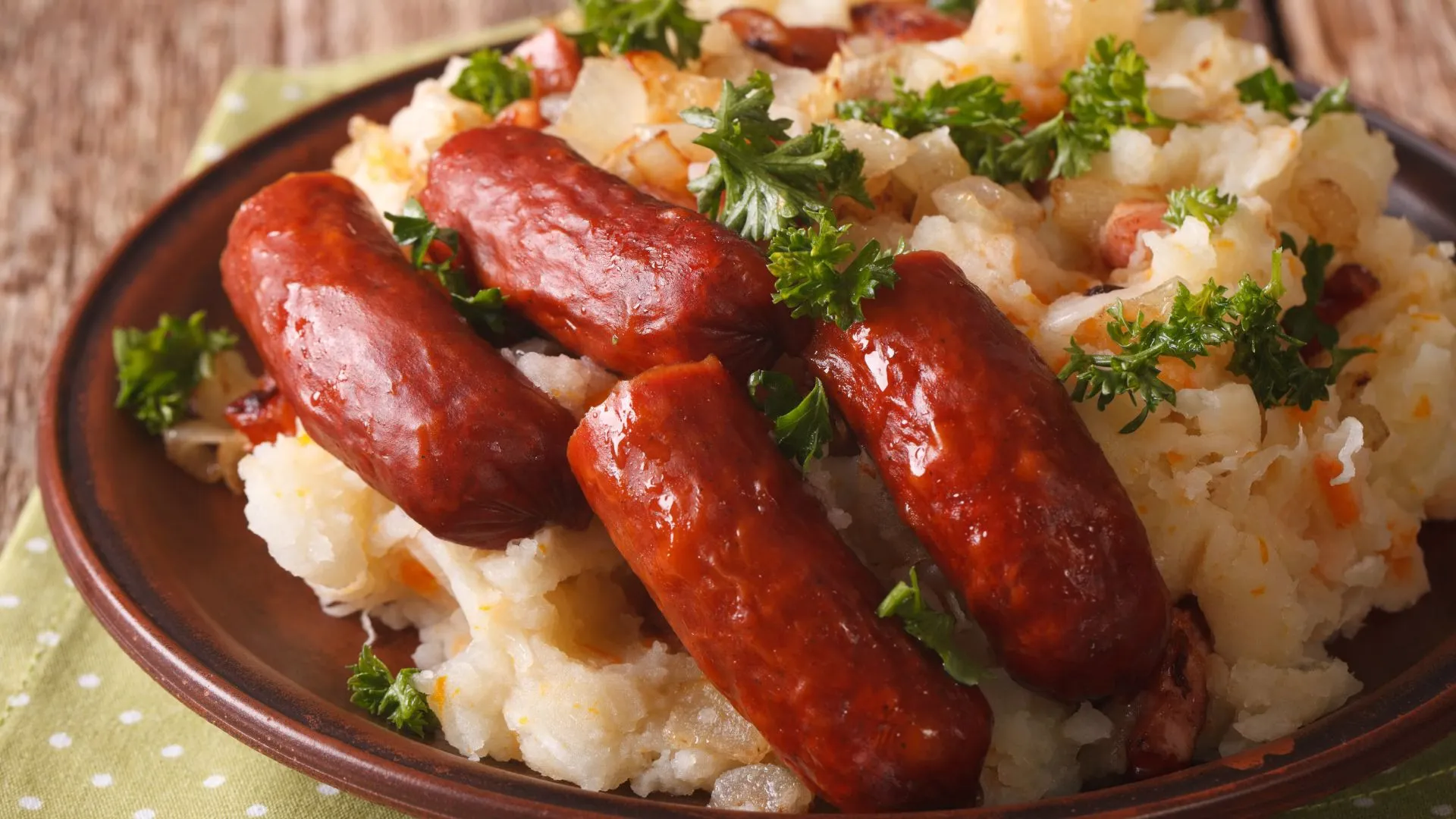
While we’re on the subject of mashed dishes, let’s look at hutspot, another essential when talking about what is traditional Dutch food. This beloved dish consists of mashed potatoes, carrots, and onions-three simple ingredients that, when combined, create a flavor-packed comfort meal.
Hutspot has a fascinating backstory tied to Dutch history. It dates back to the Siege of Leiden in 1574 when the Spanish army left behind pots of cooked carrots and onions after retreating. The starving locals discovered the dish and added potatoes to create what is now a national classic. To this day, it’s traditionally eaten on October 3rd to commemorate the victory.
Unlike stamppot, hutspot is usually served with slow-cooked beef, braised pork, or meatballs instead of rookworst. It’s often drizzled with a flavorful gravy, which soaks into the mash and adds a rich depth to every bite.
Hutspot embodies the Dutch love of traditional food that is both easy to prepare and deeply nourishing. It’s not flashy, but it’s the kind of dish that warms you from the inside out-especially on a rainy Dutch evening.
Families across the Netherlands still cook hutspot regularly, passing down their favorite versions through generations. It’s a dish with humble roots but an unshakeable presence on the Dutch dinner table.
Erwtensoep - Dutch Split Pea Soup
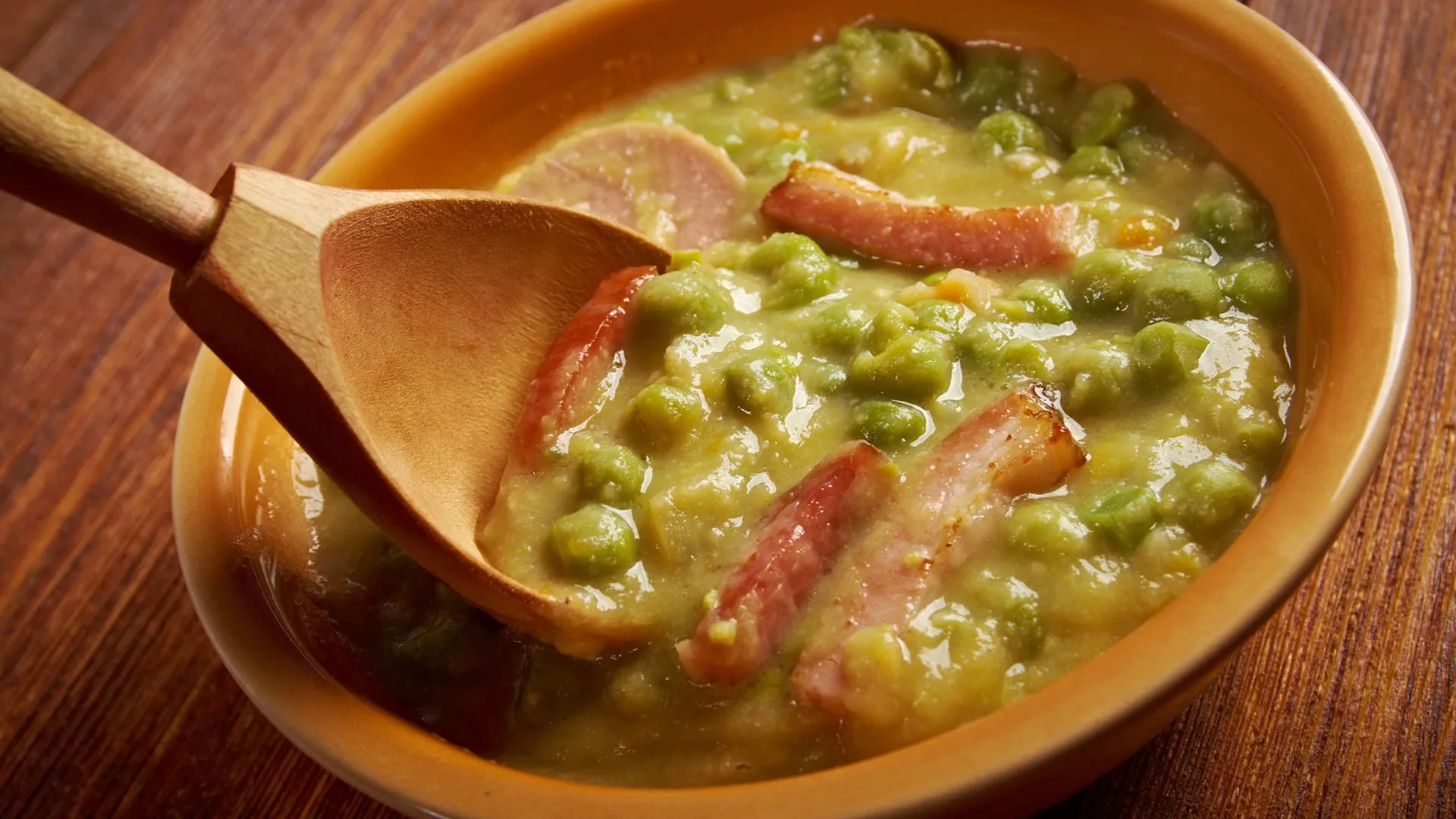
If there’s one dish that truly captures the essence of a typical Dutch dinner in winter, it’s erwtensoep, also known as snert. This thick, green split pea soup is a national treasure and a firm favorite when temperatures drop.
Erwtensoep is so thick that the Dutch say your spoon should be able to stand upright in it. That’s no exaggeration. The soup is loaded with split peas, chunks of carrot, celery, leeks, onions, and slices of rookworst (smoked sausage). Many recipes also include pork shoulder or bacon for extra heartiness.
This soup isn’t just food-it’s a winter ritual. It’s served after ice skating on frozen canals, after long walks in the snow, or as a hearty Sunday dinner. It’s also traditionally cooked in large batches and reheated the next day, often tasting even better after the flavors have melded.
You’ll find erwtensoep served with rye bread (roggebrood) and bacon or cheese on the side-a perfect contrast to the thick, savory soup. It’s a full meal in a bowl, and it’s beloved by young and old alike.
So if you’re still asking what is a typical Dutch meal, erwtensoep is a must-try. It’s filling, flavorful, and deeply tied to Dutch tradition and seasonal living.
Sweet Treats in the Netherlands
Dutch cuisine isn’t just about hearty stews and savory snacks-it also has a serious sweet tooth. If you’re wondering what is traditional Dutch food when it comes to desserts, you’re in for a treat. The Dutch have mastered the art of simple but satisfying sweets that can be enjoyed at any time of the day.
Let’s start with the star of the show: stroopwafels. These are thin waffle cookies with a gooey caramel-like syrup in the middle. Traditionally made fresh at markets, they’re best eaten warm so the syrup melts slightly. One bite and you’ll understand why they’re a national obsession.
Then there are poffertjes-tiny, fluffy pancakes made with yeast and buckwheat flour, served with a generous dusting of powdered sugar and a pat of melting butter. You’ll find these at street fairs, holiday markets, and pancake houses across the country.
Another classic is ontbijtkoek, which translates to “breakfast cake” but is really a spicy gingerbread-like loaf. It’s usually sliced thick and slathered with butter-perfect with a cup of coffee or tea.
Dutch desserts often highlight the country’s love for baking and dairy. Puddings like vla (a custard-like dessert) and griesmeelpap (semolina pudding) are common post-dinner treats. And if you’re in Limburg, don’t miss vlaai-a sweet tart made with fruit fillings like cherries, apricots, or rhubarb.
And we can’t forget about Dutch pastries. From appeltaart (apple pie) to tompouce (a pink-iced, cream-filled pastry), the Netherlands knows how to indulge the sweet tooth.
In every corner bakery or street stall, you’ll find sugary proof that what is a typical Dutch meal doesn’t end until you’ve had dessert.
What Is a Typical Dutch Breakfast and Lunch?
When digging deeper into what is a typical Dutch meal, it’s not just about dinner-breakfast and lunch also have their own unique and lovable traditions.
Dutch Breakfast (Ontbijt)
Breakfast in the Netherlands is usually a no-fuss, quick affair. Bread is the main star-whether it’s a soft white roll, a slice of brown bread, or a crisp cracker. It’s typically topped with butter and a variety of spreads. Common options include:
- Cheese (of course)
- Cold cuts like ham or salami
- Sweet spreads such as jam, chocolate spread, or peanut butter
- Hagelslag (chocolate sprinkles)-a childhood favorite that many adults still enjoy
Yes, the Dutch happily eat chocolate for breakfast, and no one bats an eye!
A cup of coffee or tea usually accompanies breakfast, and some might add yogurt or muesli with fresh fruit on the side for a bit more nutrition.
Dutch Lunch (Lunch)
Lunch in the Netherlands is surprisingly similar to breakfast. It’s often centered around bread again, making sandwiches (broodjes) the go-to choice. These are usually cold and filled with combinations like cheese and cucumber, egg salad, or roast beef and mustard.
Some might add a bowl of soup, a salad, or a piece of fruit. In schools and workplaces, packed lunches are common, and they’re generally light and easy to prepare.
On weekends or special occasions, lunch can be a bit more elaborate, possibly featuring uitsmijter-a dish of fried eggs served on bread with cheese and ham, often enjoyed with pickles or salad.
So, when people ask what is a typical Dutch meal, it’s important to note how the simplicity and repetition of ingredients like bread and cheese actually define the culture’s approach to eating. It’s functional, satisfying, and designed to keep you fueled for the day.
Iconic Dutch Cheeses
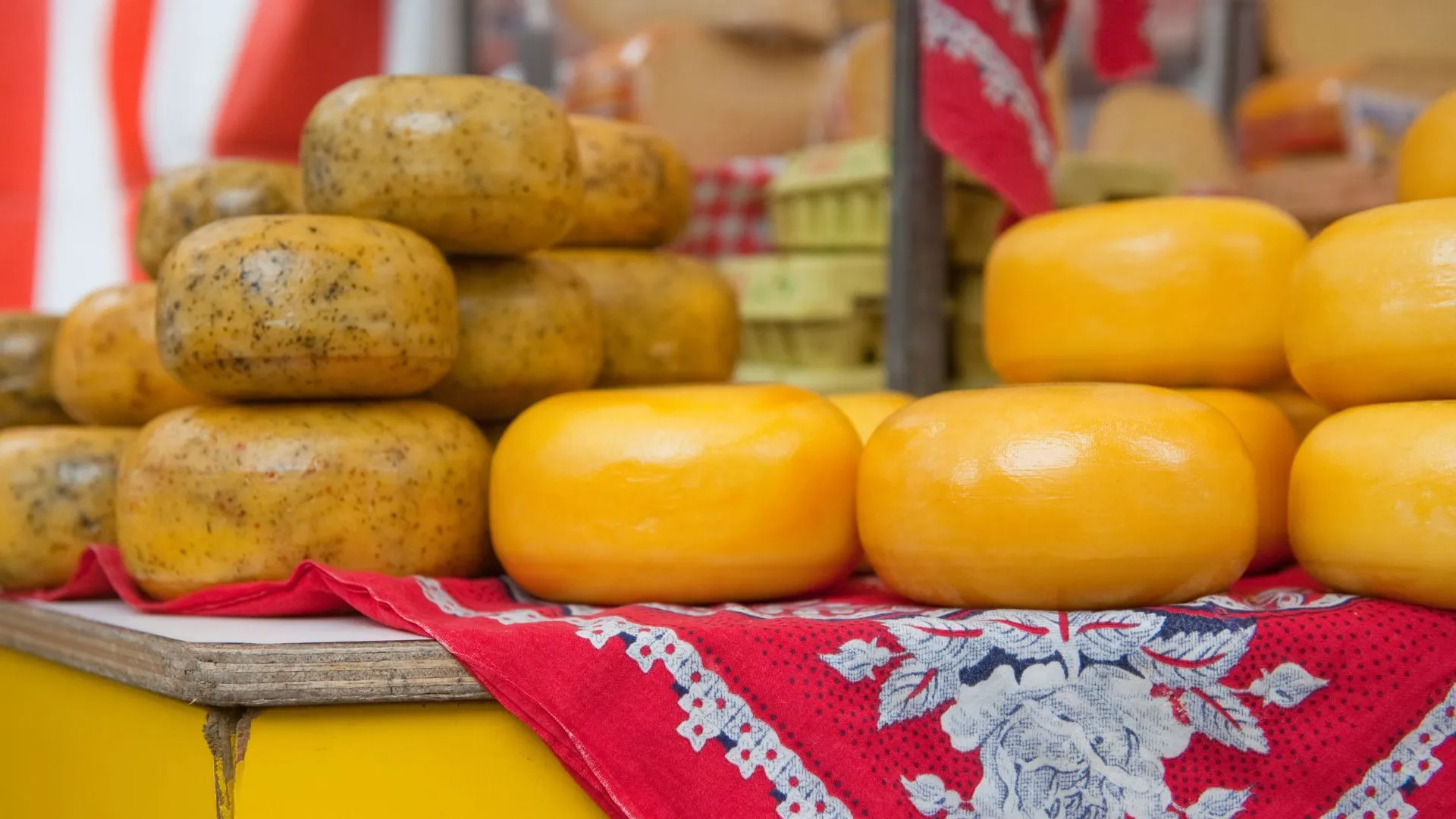
Cheese isn’t just food in the Netherlands-it’s a point of national pride. And when you ask what is traditional Dutch food, there’s no escaping the role of cheese in the Dutch diet. The country produces and exports some of the world’s most beloved cheeses, and locals consume it with enthusiasm.
Two of the most famous varieties are Gouda and Edam:
- Gouda: Named after the town of Gouda, this cheese comes in a variety of ages. Young Gouda (jong) is mild and creamy, while aged Gouda (oud) becomes harder, nuttier, and more intense in flavor.
- Edam: Recognizable by its red wax coating, Edam is a semi-hard cheese with a mild, slightly salty taste. It’s less fatty than Gouda and is often enjoyed with fruit or crackers.
Cheese is eaten at every meal-on bread for breakfast or lunch, as a snack, or even as dessert with a glass of wine or port, a combination worth trying on a guided wine and cheese pairing. Dutch households often keep several types of cheese in the fridge at all times.
Markets like those in Alkmaar and Gouda host traditional cheese markets where wheels of cheese are traded in historical costumes. These events not only highlight the importance of cheese in Dutch culture but are also a fun and tasty experience for visitors.
Whether it’s sliced, cubed, or melted, cheese is a constant in typical Dutch food, making every meal just a bit more delicious.
Drinks That Complement Traditional Dutch Food
You can’t fully appreciate what is traditional Dutch food without also exploring the beverages that complete the dining experience. The Dutch enjoy a wide variety of drinks, from coffee and herbal teas to beer and unique local spirits.
Coffee Culture
Coffee is a big deal in the Netherlands. Whether it’s a quick morning cup or a leisurely afternoon “koffie met gebak” (coffee with cake), it plays a central role in daily life. Dutch coffee is typically strong and served black or with a splash of milk. Coffee time is also a social ritual-people often sit down together just for a cup and a chat.
Dutch Beer
The Netherlands is home to some of the world’s most recognizable beer brands-Heineken, Amstel, and Grolsch. But beyond the big names, the craft beer scene is thriving, with microbreweries producing everything from IPAs to stouts.
Beer pairs perfectly with typical Dutch food, especially salty snacks like bitterballen, kroketten, and cheese. During warm weather, you’ll find people sitting on terraces enjoying a cold beer with a plate of mixed snacks known as a “borrelplank.”
Jenever - Dutch Gin
If you want to drink like a true local, try jenever-a juniper-flavored spirit that’s considered the grandfather of gin. Served in small tulip-shaped glasses, it’s often sipped slowly, especially in traditional Dutch pubs known as “bruine cafés.” There’s a whole ritual around drinking jenever: you don’t pick up the glass-you lean forward and take the first sip hands-free!
Other Popular Drinks
- Herbal teas (like mint or chamomile)
- Hot chocolate (rich and creamy, especially in winter)
- Buttermilk (karnemelk), which is often enjoyed with lunch
- Fruit juices and syrup-based drinks (ranja) for kids
Drinks are more than just beverages-they’re a part of the culinary landscape that enhances every typical Dutch meal.
How the Dutch Celebrate with Food
Every culture has its food-centric holidays, and the Dutch are no different. If you’re learning what is traditional Dutch food, you’ll want to pay attention to how celebrations are marked with special dishes.
Sinterklaas (Saint Nicholas’ Day - December 5th)
This is one of the most important Dutch holidays, especially for kids. Traditional treats include:
- Pepernoten and kruidnoten - small, spiced cookies
- Speculaas - spiced shortcrust biscuits shaped like Saint Nicholas
- Chocolate letters - each person gets the first letter of their name in chocolate
King’s Day (April 27th)
A day of national pride where everyone wears orange and parties in the streets. Street food stalls abound, and oranje tompoucen (bright orange pastries) are the treat of the day.
Christmas and New Year’s
Dutch families celebrate with multi-course meals, often featuring gourmetten-table-top grilling with small portions of meats, fish, and vegetables. For New Year’s Eve, oliebollen (deep-fried dough balls dusted with powdered sugar) are a must-have.
Easter (Pasen)
Brunch is the highlight, with bread rolls, colored eggs, pastries, and lots of sweets. It’s a time for family and feasting.
Celebratory food in the Netherlands emphasizes sharing, togetherness, and of course, indulgence. It’s a great way to see how deeply intertwined typical Dutch food is with the rhythms of life.
Eating Habits and Table Manners in the Netherlands
Understanding what is a typical Dutch meal also means understanding how the Dutch eat. Dining etiquette here is relatively informal but comes with its own set of unspoken rules.
- Punctuality is important. Meals are usually eaten at set times: breakfast around 7-8 AM, lunch at noon, and dinner between 5:30-7 PM.
- Table manners are modest. Elbows off the table, chew with your mouth closed, and always say “eet smakelijk” (enjoy your meal) before eating.
- Meals are family-oriented, and even during busy weekdays, most families make time to sit together at the table.
- Minimal waste is a value. The Dutch are practical, and leftovers are commonly saved and reused.
The overall vibe is relaxed but respectful. Mealtimes are moments of connection and comfort-fitting, considering how grounded and heartwarming typical Dutch food tends to be.
Where to Try Traditional Dutch Food
Whether you’re visiting or living in the Netherlands, there are plenty of places to experience traditional Dutch food firsthand.
Local Markets
Head to markets in Amsterdam, Rotterdam, or Utrecht to find fresh stroopwafels, herring stands, cheese stalls, and seasonal specialties, or join a food tour through Utrecht and taste them with a local guide.
Dutch Eetcafés
These are casual neighborhood restaurants where you can enjoy dishes like stamppot, snert, or schnitzel with fries. They’re cozy, affordable, and authentically Dutch.
Specialty Shops and Bakeries
Look for kaaswinkels (cheese shops), slagerijen (butcher shops), and bakeries that offer everything from spiced cookies to apple pie.
Festivals and Events
Food festivals, cheese markets, and cultural fairs often feature live cooking demos and free samples. Perfect for sampling a wide variety of typical Dutch meals in one spot.
Conclusion: Why You Should Try Traditional Dutch Cuisine
So, now that you know what is traditional Dutch food, you might be surprised by just how much variety and richness it offers. From hearty dinners like stamppot and erwtensoep to indulgent street snacks and sweet delights like stroopwafels, Dutch cuisine is comfort food at its best. It’s built on tradition, shaped by the seasons, and infused with the practical, down-to-earth nature of the Dutch people.
Whether you’re sitting down to a homemade meal or grabbing a quick snack from a street vendor, every bite gives you a taste of Dutch history and hospitality. Don’t let its simplicity fool you-typical Dutch food is full of depth, flavor, and charm.