When Spices Changed Everything, And Dutch Food Still Stayed Pretty Beige
Let’s talk turkey. Or rather, let’s talk hutspot, erwtensoep, and the unapologetically beige yet beloved landscape of Dutch national cuisine, and how that culinary canvas got some of its boldest brushstrokes thanks to the not-so-cozy legacy of Dutch colonial history.
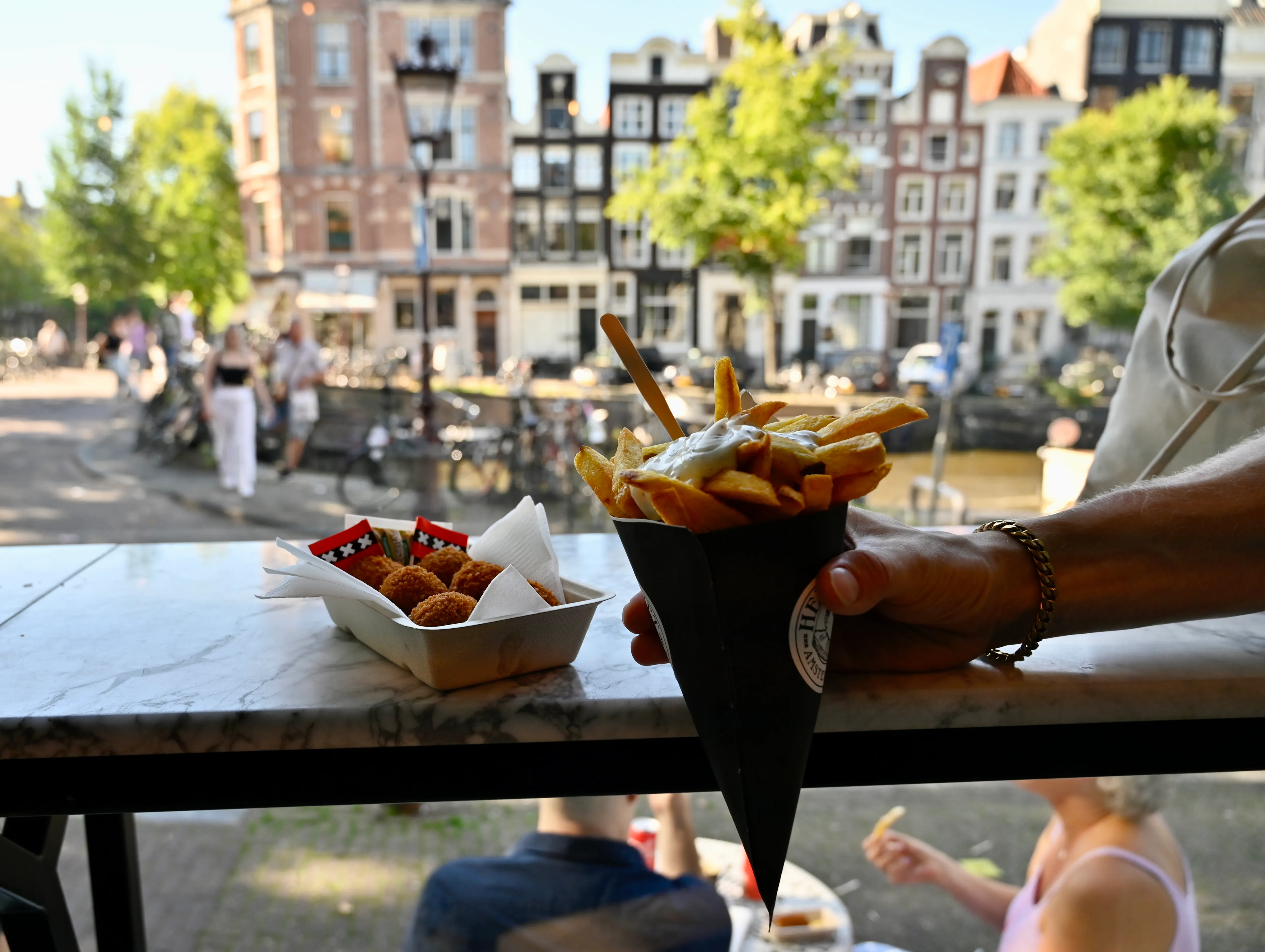
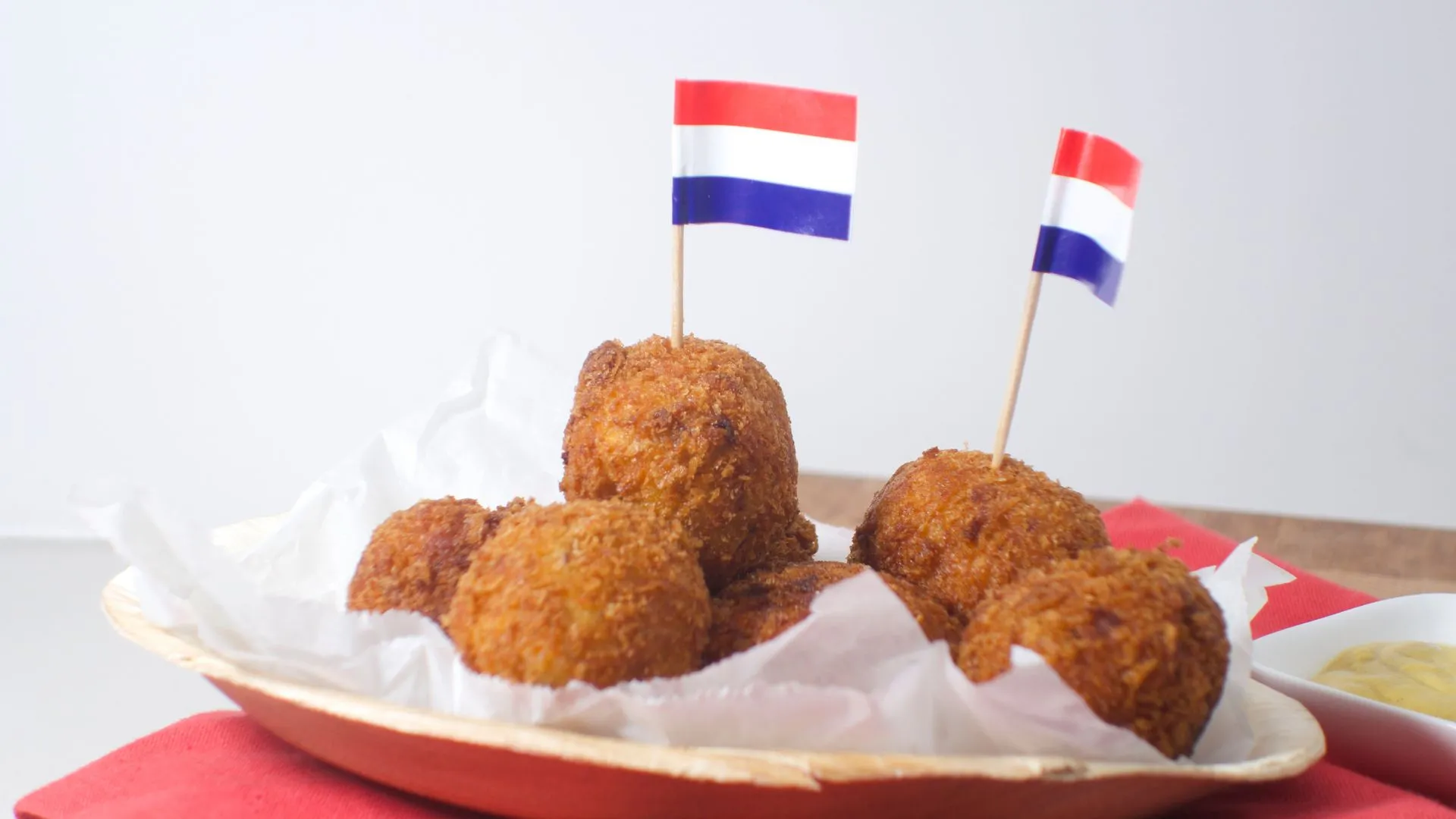
Now, I know what you’re thinking. “Wait… aren’t Dutch dishes famously bland?” Sure, we’re no strangers to boiled potatoes and winter fare thick enough to stop a clock. But scratch the surface, preferably with a mustard-covered bitterbal, and you’ll uncover centuries of global entanglement on every Dutch plate.
From the cinnamon in your appeltaart to the cloves in your worst, Netherlands colonial history is baked, brewed, and stewed into Dutch food culture, whether we like it or not. And trust me, Dutchies are historically quite good at not talking about it. But you? You’re smarter than the average stroopwafel tourist. So let’s dig in.
Spices: From Colonial Cargo to Kitchen Staples
Back in the 1600s, the Dutch East India Company (VOC) was basically Amazon Prime for spices, except with more cannons and questionable ethics. Ships returned to Amsterdam’s harbor groaning with nutmeg, mace, cloves, and cinnamon from what is now Indonesia, a story we walk you through on our VOC maritime tour.
These weren’t just luxuries for the elite. They worked their way into everyday Dutch food in a way that still lingers:
- Appeltaart without cinnamon? Not in this lifetime.
- Hachee stew? Always gets a clove or two for that warm, faintly exotic hum.
- Even our beloved speculaas cookies are a direct culinary postcard from our colonial past.
Personal Side Note: I once dated a Dutch guy who swore he could taste the “VOC legacy” in his oma’s spiced meatloaf. Dramatic? Sure. But not wrong.
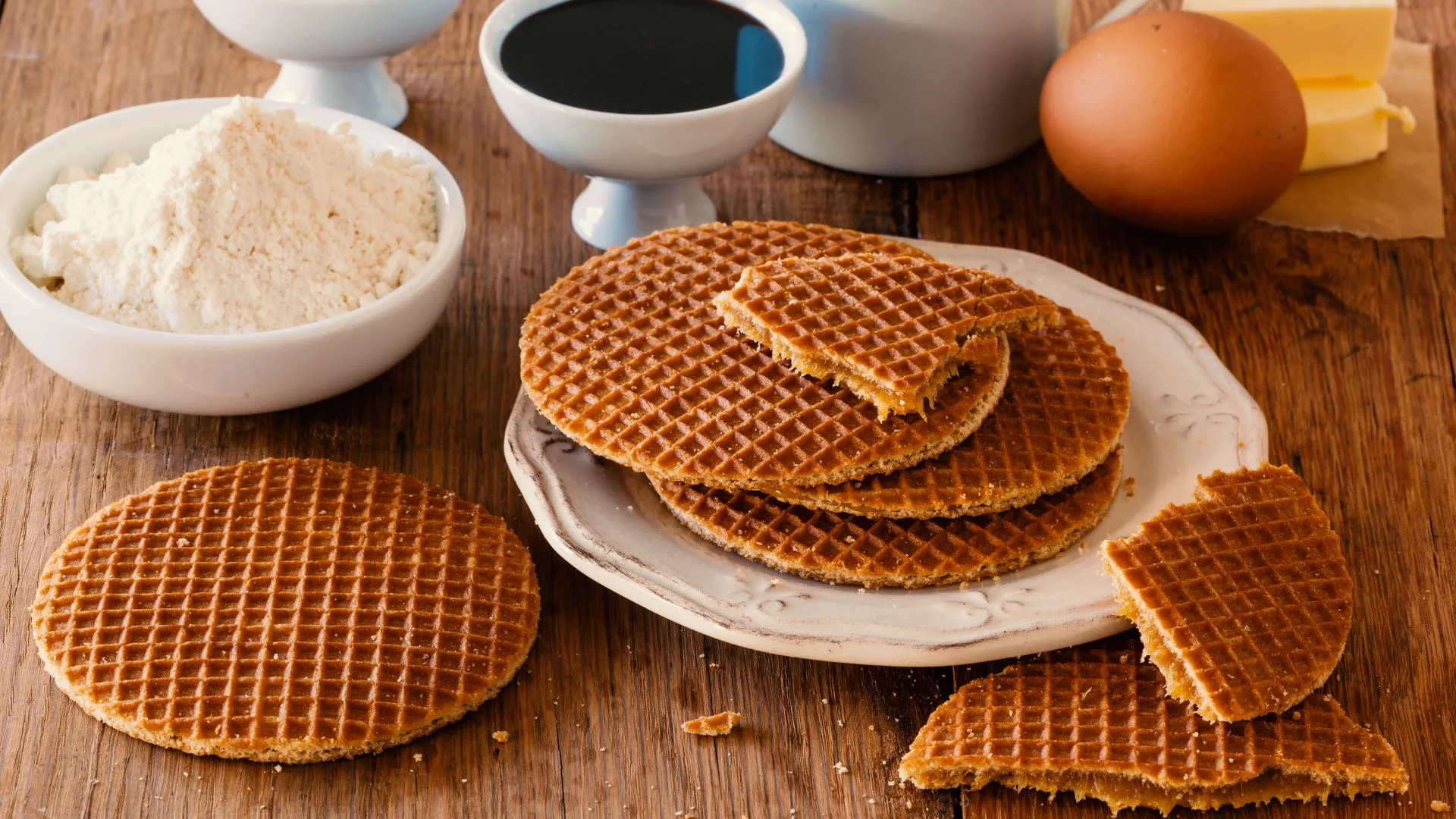
Dutch Dishes Influenced by Colonial History (But Still 100% Local)
Yes, this article is about national dishes. But here’s the kicker: many of our most beloved “Dutch” recipes have colonial fingerprints all over them.
1. Hachee
That sweet-sour beef-and-onion stew? Add some cloves and laurel and you’ve got a low-key spice route souvenir.
2. Speculaas
What would Sinterklaas do without these buttery spiced cookies? The cinnamon, nutmeg, ginger, and cloves in these treats all came through colonial trade routes.
3. Dutch mustard
Local as hell. But the addition of exotic spices in some regional blends (hello, honey curry mustard) is a quiet nod to our imperial spice stash.
4. Kruidkoek (Spice Cake)
So Dutch your grandmother probably has a recipe for it on a handwritten card. Again, all those warm spices? Colonial. But somehow it still screams home.
New Amsterdam: Dutch Food Goes to the New World
Before NYC was all bagels and bodegas, it was New Amsterdam, and Dutch food came with the settlers, lots of rye bread, butter, beer, and yes, pancakes.
The culinary crossover from this era still pops up in the U.S. northeast:
- Dutch oven cooking? That’s our thing.
- Coleslaw? Derived from the Dutch word koolsla (cabbage salad).
- Cookies? Straight from koekje, meaning little cake.
So the next time someone in Brooklyn hands you a sugar-dusted cookie and calls it a New York classic, smile knowingly. We did it first.
How Colonial Influence Shows Up in Dutch Eating Habits
The Netherlands didn’t just import ingredients, we imported eating styles. Think:
- The Dutch love for small bites and shared dishes? Sounds a lot like rijsttafel.
- Our obsession with sweet-savory contrasts (apple with pork, cheese with fruit)? Another leftover from tropical influences.
Real Talk: The Dutch were never flashy with food, not like the French with their sauces or the Italians with their endless cheese. But the quiet complexity of Dutch flavor? That came from global exposure wrapped in Calvinist control.
A Word on Appropriation vs Appreciation
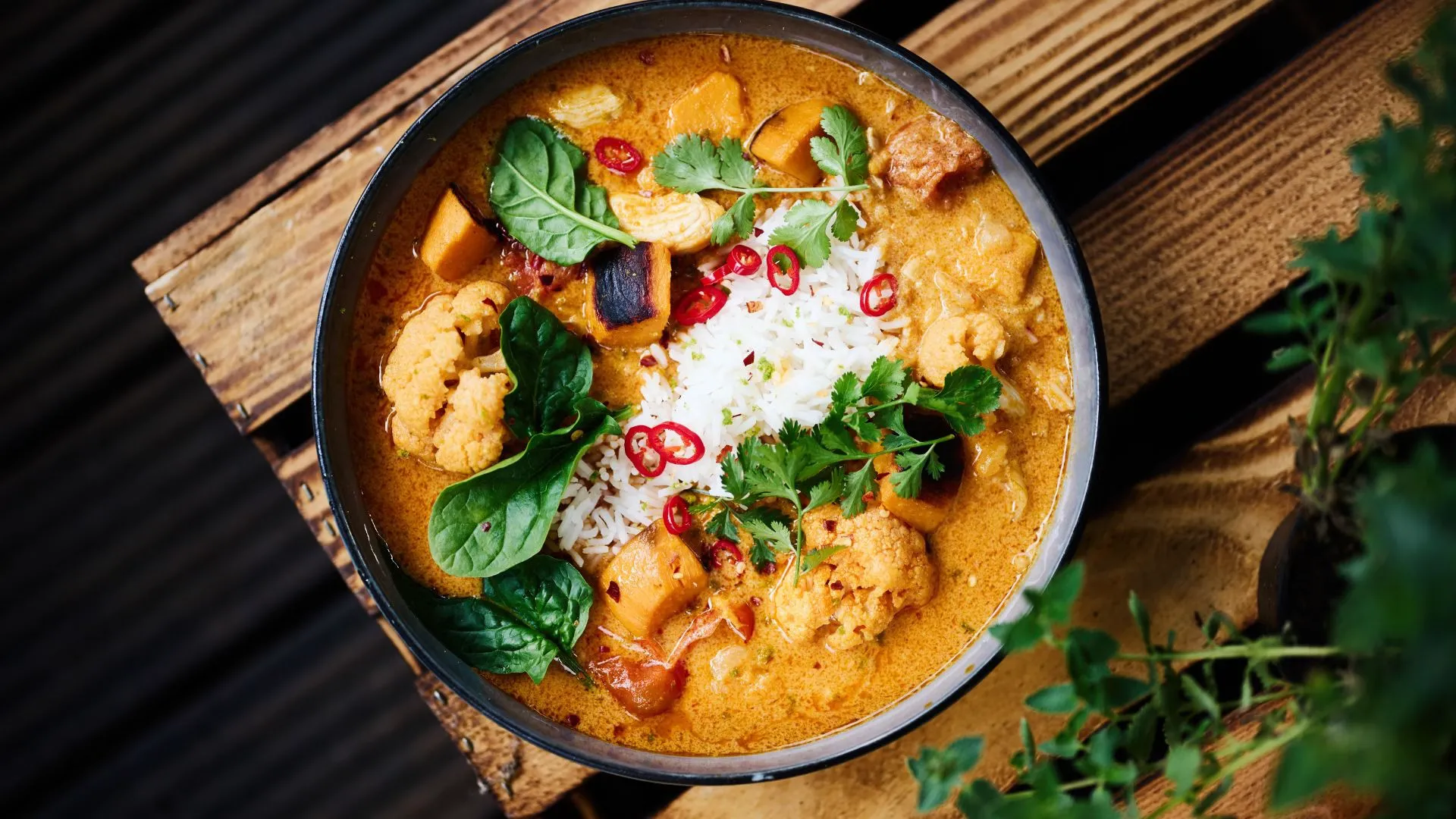
It’d be a disservice to talk about dutch colonial history and food without owning up to the harder truths. Colonialism was violent, exploitative, and left scars that food alone can’t sweeten. So when we taste a spiced cake or sip a Javanese-influenced broth, we’re also tasting history, the beautiful, the painful, and the still-very-present.
As modern Amsterdammers, we’re learning to hold that complexity. We can love our speculaas and still acknowledge where those flavors came from.
Conclusion: What’s Dutch? It’s Complicated (and Delicious)
In Amsterdam, every bite tells a story, the kind we share on our award-winning food tour. Some of them are cozy tales of grandmothers and windmills. Others are tangled, shaped by trade winds, old empires, and cultures that came, and stayed.
But that’s what makes Dutch food special. It’s not loud or lavish. It’s not trying to win Michelin stars. It’s simple. Subtle. And surprisingly worldly, because of its past.
So go ahead. Eat the spiced cake. Enjoy the hachee. Sip the mustard soup and know that it didn’t just come from a pot, it came from history.
And always remember:
“If it ain’t Dutch, it ain’t much”, but it’s probably Indonesian-flavored.”