Let’s face it: in a world dominated by Instagrammable plates, Netflix food documentaries, and weekend brunch rituals, the term foodie gets tossed around a lot. But what is a foodie really? Is it just someone who enjoys eating? Or is there more to it?
A foodie isn’t just someone who likes food. We all like food. A foodie is someone who lives for food-the culture, the taste, the experience, the preparation, and even the history behind it. It’s a label worn proudly by those who find joy in discovering new flavors, experimenting in the kitchen, and telling stories through cuisine. Whether they’re exploring a remote food stall in Southeast Asia or mastering the art of sourdough in a small Amsterdam kitchen, foodies approach everything with curiosity and reverence for the plate in front of them.
In this guide, we’re going to explore what it means to be a foodie, how to identify one, and what to get a foodie for their birthday or any occasion-especially if you’re in the Netherlands. So, grab a snack (you’ll get hungry), and let’s get into the world of food lovers.
The word “foodie” may sound like a modern invention, but it’s been around since the early 1980s. First coined by food writer Paul Levy and author Ann Barr, the term was initially used to describe people obsessed with food-but not in a snobby way. These weren’t professional chefs or food critics; they were everyday people with a passion for eating and discovering.
Fast forward to today, and the term has exploded across pop culture. Now, “foodie” represents a global movement of people who care deeply about what’s on their plate. With the rise of social media, food blogs, and TV shows, the foodie identity has grown to include food adventurers, ethical eaters, and even sustainability advocates. It’s a label that embraces diversity in tastes, backgrounds, and values.
It’s not about class or status-it’s about curiosity and appreciation. That’s what makes it so universal.
So, what is a foodie today? Simply put, a foodie is someone with an above-average interest in food and drink. They’re not necessarily chefs or gourmet critics, but they care deeply about the quality, origin, and story behind every bite. They might spend their weekends touring farmers’ markets, their evenings trying out fusion recipes, and their vacations exploring food scenes from different cultures.
Foodies often:
- Follow food trends and try new cuisines
- Know the best local spots (hidden gems, not just the Michelin-starred ones)
- Care about sustainable, local, and seasonal ingredients
- Get excited about food gifts and unique kitchen gadgets
Foodies don’t just eat-they experience food. A true foodie savors the rich, smoky flavor of roasted peppers, or the subtle sweetness of a vanilla bean custard. They’re the ones who close their eyes during the first bite, breaking into a smile when the flavor hits just right.
Their passion is rooted in a deep connection to taste and texture. They care about presentation, preparation methods, and even the cultural background of the dish. For them, food is a full sensory event, a way to travel without leaving the kitchen.
Foodies also appreciate contrast-sweet and spicy, crispy and creamy, acidic and fatty. They understand how flavors can dance together or clash if not handled properly. Their taste buds are trained, either consciously or naturally, and they love sharing that knowledge.
If there’s one trait all foodies share, it’s curiosity. Foodies are always on the hunt for something new, whether that’s a regional delicacy or a twist on a classic recipe. They’ll take cooking classes in local kitchens when traveling, order dishes they can’t pronounce, or attempt a 10-hour ramen broth just because they want to understand it.
This trait makes them adventurous gift recipients too. Wondering what to get a foodie? Think bold flavors, exotic ingredients, or tools that let them experiment in their own kitchens. In the Netherlands, you might consider items like truffle-infused Dutch cheeses, rare spice blends, or even fermentation kits.
A foodie isn’t just eating-they’re learning. They understand where ingredients come from, how dishes have evolved through history, and why certain flavors work together. You’ll often hear them talk about umami, sous-vide, or terroir like it’s everyday language.
That depth of knowledge also helps them be better hosts, better home chefs, and often, better gift-givers. If you’re unsure what to buy a foodie, remember-they probably already know what’s trending before you do. So lean into local, authentic, and unique options that they wouldn’t stumble upon easily themselves.
This is the person who’s eaten scorpion skewers in Bangkok or fermented shark in Iceland. They’re the first to try the “weird” stuff and proudly post about it. They chase experience over comfort, and their palate is as bold as their personality.
Gifting tip? Go for something thrilling-like mystery spice kits, food tours, or a cooking class in a cuisine they’ve never tried.
They treat their kitchen like a sacred space, with knives sharper than their wit and a spice rack that rivals professional pantries. They’re always refining recipes, sourcing the best local produce, and watching cooking tutorials for fun.
Need ideas for what to get a foodie like this for their birthday? High-quality kitchen gear, gourmet oils, or handmade ceramic serveware are always a hit.
Always scouting the hottest spots or under-the-radar gems, this foodie is a walking Zagat guide. They live for the ambiance, plating, and service-and they know exactly when a restaurant changes chefs.
Wondering what to buy a foodie like this? Go for experience: a reservation at a new pop-up, a gift card to a niche eatery in Amsterdam, or a local tasting tour like our 10 Tastes of Amsterdam food tour could blow their mind.
Influence on Food Trends and Innovations
Foodies aren’t just consuming food; they’re shaping the industry. Their collective demand for transparency, flavor, and quality pushes restaurants, brands, and farms to innovate. From the rise of plant-based alternatives to the explosion of fusion cuisine, foodies help drive change.
They’re trendsetters, early adopters, and vocal about what they love. If you’re launching a new food product, you want it in the hands (and mouths) of foodies first.
Practical Tools for Cooking Enthusiasts
When thinking about what to buy a foodie, practical yet premium kitchen tools are always a win. A real foodie treats their kitchen like a playground-and the better the toys, the more fun they have. Think beyond the basic utensils and go for specialty gadgets that they may not splurge on themselves.
Here are some top ideas:
- Precision kitchen scales for perfect baking or fermenting
- Digital thermometers for meat or chocolate tempering
- High-quality microplane graters for zesting and shaving cheeses
- Cast iron or carbon steel pans that last a lifetime
- Japanese or Dutch chef’s knives for that next-level chopping experience
If your foodie friend loves tech, consider gifting smart kitchen devices like a Bluetooth-enabled sous-vide cooker or an app-controlled air fryer. These tools not only improve their cooking but also keep their culinary curiosity burning bright.
Pair these with a handwritten note about how you see their passion in every dish they create, and you’ve just made their day.
Gourmet Delights and Rare Ingredients
Another fantastic idea when considering what to get a foodie is exploring the world of specialty ingredients. Foodies love discovering flavors they’ve never tried-especially if those ingredients come with a backstory.
Here’s a list of gourmet ideas to consider:
- Artisan salts like Himalayan pink, smoked sea salt, or Dutch seaweed salt
- Single-origin spices or spice blends like ras el hanout or garam masala
- Rare honeys, such as heather honey from the Veluwe in the Netherlands
- High-grade matcha or ceremonial tea blends
- Small-batch hot sauces from different cultures
For those based in or buying for someone in the Netherlands, local delicacies such as truffle gouda, aged Frisian cheeses, or preserved Zeeland mussels in herb oils offer unique experiences. Just be sure to select products with thoughtful packaging and maybe even include tasting notes or recipes to inspire their next dish.
Food Experiences and Workshops
Foodies don’t just want things-they crave experiences. Culinary classes, tastings, and behind-the-scenes tours are not just fun; they offer learning and storytelling opportunities that food lovers treasure.
Here are a few ideas:
- A sourdough or pastry workshop in Amsterdam
- A cheese-tasting tour in Alkmaar
- A wine and food pairing evening in Utrecht
- A sustainable cooking class that focuses on zero-waste meals
Not in the Netherlands? No problem. Virtual workshops have become increasingly popular, and many feature renowned chefs from around the globe. This kind of gift, say a private full-day food tour through Amsterdam, transforms their passion into memories, not just objects.
Unique Food-Centric Gift Boxes
If you’re stumped on what to get a foodie for their birthday, go for curated gift boxes tailored to their tastes. Think: “world tour in a box” or “coffee lover’s dream set.” These collections bring a multisensory experience right to their door and are often packed with exotic, local, or gourmet items they’ve never tried before.
Some thematic foodie box ideas include:
- Dutch Heritage Box: stroopwafels, aged gouda, licorice, and mustard
- Spicy Adventure Pack: artisan hot sauces from around the globe
- Dessert Lover’s Crate: everything from almond nougat to pistachio creams
- Vegan Explorer’s Bundle: dairy-free chocolates, plant-based jerky, and nut butters
You can even DIY your own by visiting specialty stores and farmers’ markets to include handpicked items based on their favorite cuisines or cooking styles. A foodie birthday gift like this shows effort, thoughtfulness, and culinary awareness.
Subscription Services They’ll Love
There’s something magical about receiving a surprise package every month, especially when it’s food-related. Subscription boxes cater to almost every foodie niche-from coffee aficionados and spice collectors to chocolate lovers and cheese chasers.
A few subscription ideas:
- Monthly spice box with recipes from different countries
- Artisanal cheese club featuring local Dutch producers
- Global snack box with treats from Japan, Brazil, or South Africa
- Sustainable seafood or meat subscriptions
- Digital cooking class series featuring world-renowned chefs
If you’re looking to nail what to buy a foodie, subscriptions make the gift last beyond a single day. Every delivery is a reminder of your great taste-in gifts and in friendship.
Thoughtful Gifts Tailored to Taste Buds
Sometimes, the best foodie gifts come from listening. Maybe they’ve been raving about a new kitchen trend or a niche food culture they want to explore. This is where personalization comes in.
Some tailored birthday ideas:
- A DIY ramen kit for the Japan-obsessed
- A local gin distillery tour if they love cocktails
- Custom spice racks engraved with their name
- A coffee grinder with beans from Dutch micro-roasters
Don’t forget the power of homemade. A hand-labeled bottle of infused olive oil, a jar of homemade jam, or even your family’s secret cookie recipe printed and framed-these all feel authentic, personal, and deeply appreciated.
Dutch Culinary Traditions to Embrace
The Netherlands has a rich and often underestimated food culture. So, when thinking about what to get a foodie in the Netherlands, it’s smart to tap into this heritage. Dutch cuisine isn’t just cheese and pancakes-though those are amazing too. It includes hearty stews, spiced pastries, cured herring, and surprisingly strong seasonal traditions.
Some gift-worthy Dutch traditions include:
- Speculaas spices and molds for the cookie artist
- Oliebollen kits for making the festive New Year’s treat
- Kruidnoten and spiced cocoa mixes around Sinterklaas
- Zeeuwse bolus-sweet spiral buns often handmade by local bakers
A true foodie in the Netherlands would appreciate the roots of these items and how they fit into the wider culture. Gift them with a story card explaining the history or use in Dutch households to make it even more meaningful.
Local Markets and Artisan Products
Nothing says “I know you’re a foodie” like a handpicked item from a busy local market. The Netherlands boasts incredible open-air markets-from Rotterdam’s sprawling Markthal to the boutique stalls at Amsterdam’s Noordermarkt. These places are a treasure trove for unique foodie gifts.
Some local finds to consider:
- Handmade mustards and chutneys
- Smoked eel or mackerel packed for gifting
- Organic Dutch honey and raw milk cheeses
- Craft vinegar aged in oak barrels
Even if you’re shopping online, look for vendors that ship within or from the Netherlands. Local means freshness, sustainability, and support for small-scale producers-all values a foodie holds dear.
Where to Find Authentic Dutch Foodie Gifts
Here’s where to really level up. Whether you live in the Netherlands or are buying for someone there, sourcing authentic, high-quality foodie gifts is easier than you think. Local online platforms, regional markets, and food co-ops offer an incredible range.
Places to check:
- Specialty food markets and Dutch food events
- Eco-conscious local brands (without using brand names)
- Artisan workshops offering small-batch, handcrafted items
Pro tip: Wrap the gifts using Dutch newspapers or local textiles to create a truly immersive foodie present. It adds a rustic charm and shows you went the extra mile.
Habits, Social Media, and Restaurant Choices
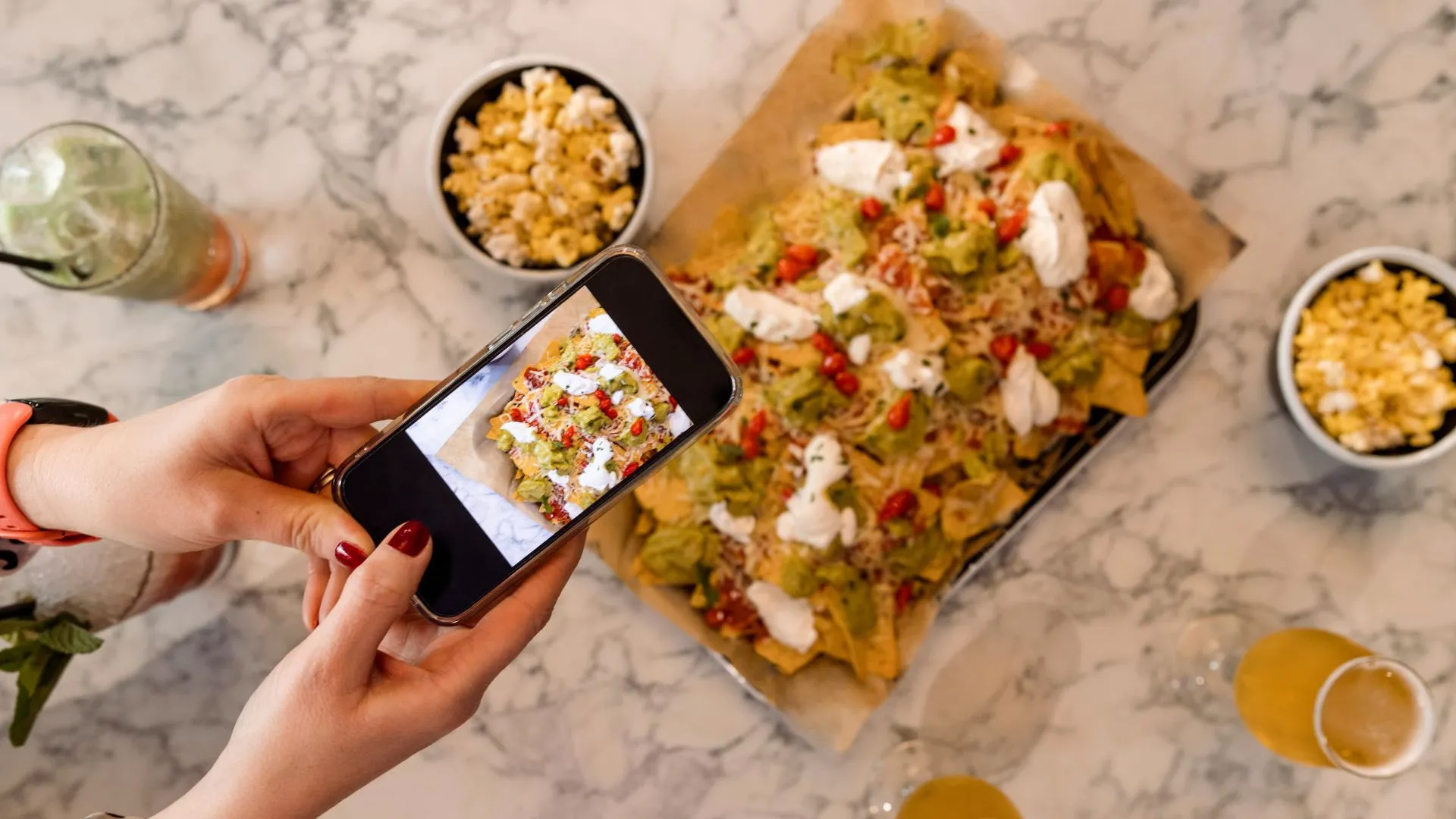
Want to know if someone’s a foodie? Just look at their social media. If they’re snapping pictures of their breakfast with natural light and tagging obscure restaurants, you’ve found one. Foodies also tend to:
- Keep a running list of places to try
- Follow chefs or food vloggers religiously
- Spend more time reading menus than choosing outfits
- Book reservations weeks in advance
They might even build their travel itinerary around restaurants or markets. While others ask, “Where should we go?” foodies say, “I’ve got a list.”
At restaurants, they’re the ones asking about specials, origins of ingredients, and kitchen techniques. It’s not pretentious-it’s passion. They want to know the story behind the dish because food is not just fuel for them, it’s art, science, and emotion all at once.
Educating Friends and Family
Foodies don’t just hoard their culinary knowledge-they love to share it. Whether it’s a tip for making the perfect risotto or a story about the origin of saffron, foodies are natural teachers. They often become the go-to source among friends and family for restaurant recommendations, recipe ideas, or even advice on dietary choices.
Their passion can change the habits of those around them. Got a picky eater in the family? A foodie’s enthusiasm might encourage them to try something new. Is someone you know stuck in a cooking rut? One conversation with a foodie, and they’re off experimenting with Moroccan tagines or homemade pasta.
When foodies educate others, they don’t just share recipes-they pass on culture, ethics, and appreciation. They might explain why it’s better to buy local produce, how to understand wine pairings, or even why a certain ingredient is endangered. Over time, their influence helps build a more informed, open-minded eating culture in their circles.
Sparking Interest in Culinary Adventures
There’s something contagious about watching someone get really excited about a new dish or ingredient. Foodies inspire others not by lecturing but by living their passion so boldly it becomes irresistible. Maybe it’s the way they talk about a dish with glowing eyes, or how they plan entire weekends around a new farmer’s market. That kind of joy is magnetic.
They spark culinary curiosity through:
- Hosting themed dinner nights
- Sharing travel food stories
- Posting detailed reviews and recipes online
- Bringing back unique ingredients as souvenirs
This ripple effect can lead to bigger shifts. A friend inspired by a foodie might end up exploring veganism, trying fermentation, or even enrolling in a cooking class. And that’s the beauty of it-foodies ignite little fires everywhere they go.
Steps to Embrace the Foodie Lifestyle
You don’t have to be born with a Michelin-star palate to become a foodie. It’s a mindset, not a membership. Anyone can start their journey by shifting how they think about and interact with food.
Here are some steps to get started:
- Be curious: Try a dish you’ve never heard of. Ask questions. Google ingredients.
- Cook more often: The kitchen is your lab. Make mistakes, then make magic.
- Visit local markets: They’re a goldmine of inspiration and fresh ingredients.
- Keep a food journal or blog: Track what you eat, where it came from, and how it made you feel.
- Travel through food: Can’t afford international flights? Explore the world through recipes and spices.
Don’t worry about having the perfect setup. Even a small Dutch apartment kitchen can become a gateway to global flavors. The key is to keep exploring and enjoying.
Exploring Palates, Not Just Plates
Becoming a foodie isn’t just about eating different things; it’s about understanding why they taste the way they do. You’ll start noticing the acidity in tomatoes, the nuttiness of browned butter, or the floral notes in a particular type of honey. Your palate evolves, becoming sharper and more appreciative.
This journey deepens your relationship with food. Meals become more than fuel-they become events, emotions, and experiences. You start appreciating the labor behind each dish, whether it’s a Michelin-starred entrée or a street vendor’s masterpiece in a small Dutch town.
The more you explore your palate, the more you understand cultures, people, and yourself. That’s the real reward of becoming a foodie-it’s a journey that never ends.
Not Just About Fine Dining
A common myth is that all foodies are obsessed with luxury or expensive dining. Sure, some love a good tasting menu, but a true foodie can appreciate a perfectly fried kibbeling from a Dutch market just as much as a high-end foie gras.
Foodies are about flavor, not price tags. They’re more likely to praise a €3 street snack that blew their mind than an overpriced meal that lacked soul. The joy comes from discovering taste, creativity, and authenticity-regardless of how fancy the setting is.
In fact, many foodies pride themselves on finding amazing food in the most unexpected places. It’s the hunt, the story, and the surprise that fuel their passion-not just the prestige.
The Myth of Being Picky or Snobbish
Some people assume foodies are hard to please or overly critical. But in reality, most foodies are the opposite-they’re open, curious, and generous with praise. They’re not looking to judge; they’re looking to learn and enjoy.
If a dish isn’t perfect, they see it as a chance to understand why. They might comment on technique or flavor balance, but it comes from a place of love and knowledge, not superiority. In fact, many foodies go out of their way to support small, new, or underdog eateries.
Being a foodie means respecting food in all forms. From home-cooked meals to avant-garde creations, it’s all valid, and it all has something to teach. So, if you’ve ever hesitated to cook for a foodie-don’t! They’ll likely be the most grateful, encouraging diner at the table.
Advocating for Ethical Eating
Foodies aren’t just flavor chasers-they’re also conscious consumers. As awareness grows around sustainability, many foodies are taking responsibility for the impact of their choices. They ask questions like:
- Where did this ingredient come from?
- Was it produced ethically?
- What’s the carbon footprint of this dish?
This curiosity often leads them toward:
- Supporting local farmers and producers
- Choosing seasonal and organic ingredients
- Avoiding factory-farmed meat
- Reducing food waste at home
The more foodies advocate for sustainable practices, the more pressure there is on restaurants, markets, and brands to improve. Whether it’s calling for transparency in labeling or promoting zero-waste cooking, foodies help set higher standards.
The Connection Between Food and the Environment
Food isn’t just a cultural issue-it’s an environmental one. Foodies understand that every bite has a backstory, and that backstory often includes water usage, land depletion, carbon emissions, and social justice.
By choosing sustainably caught fish, reducing meat consumption, or embracing plant-based alternatives, foodies become part of a global movement. They learn to value ugly vegetables, compost leftovers, and reuse ingredients creatively.
In a country like the Netherlands, which has a rich agricultural history and growing interest in eco-innovation, foodies play a powerful role in shaping greener habits. They help bridge tradition with innovation and flavor with responsibility.
To sum it all up: being a foodie is not about being picky or pretentious-it’s about passion, exploration, and appreciation. Whether you’re digging into a bowl of stamppot in a cozy Dutch kitchen or savoring the spices of North Africa in your own living room, foodies find joy in every bite.
They don’t just eat-they experience. They teach, inspire, and connect people through food. And whether you’re wondering what to buy a foodie, what to get a foodie for their birthday, or what to get a foodie in the Netherlands, the answer always lies in understanding their love for all things edible.
Celebrate them with meaningful gifts, thoughtful experiences, and maybe even a home-cooked meal. Because in the world of foodies, love really is best served on a plate.