
What Is a Typical Dutch Breakfast?
Let’s answer the question straight away: a typical Dutch breakfast is sliced bread with toppings. Cheese, ham, peanut butter, jam, or the famous hagelslag (chocolate sprinkles), with a glass of milk, a bowl of yoghurt, or plain filter coffee. Cold, fast, done.
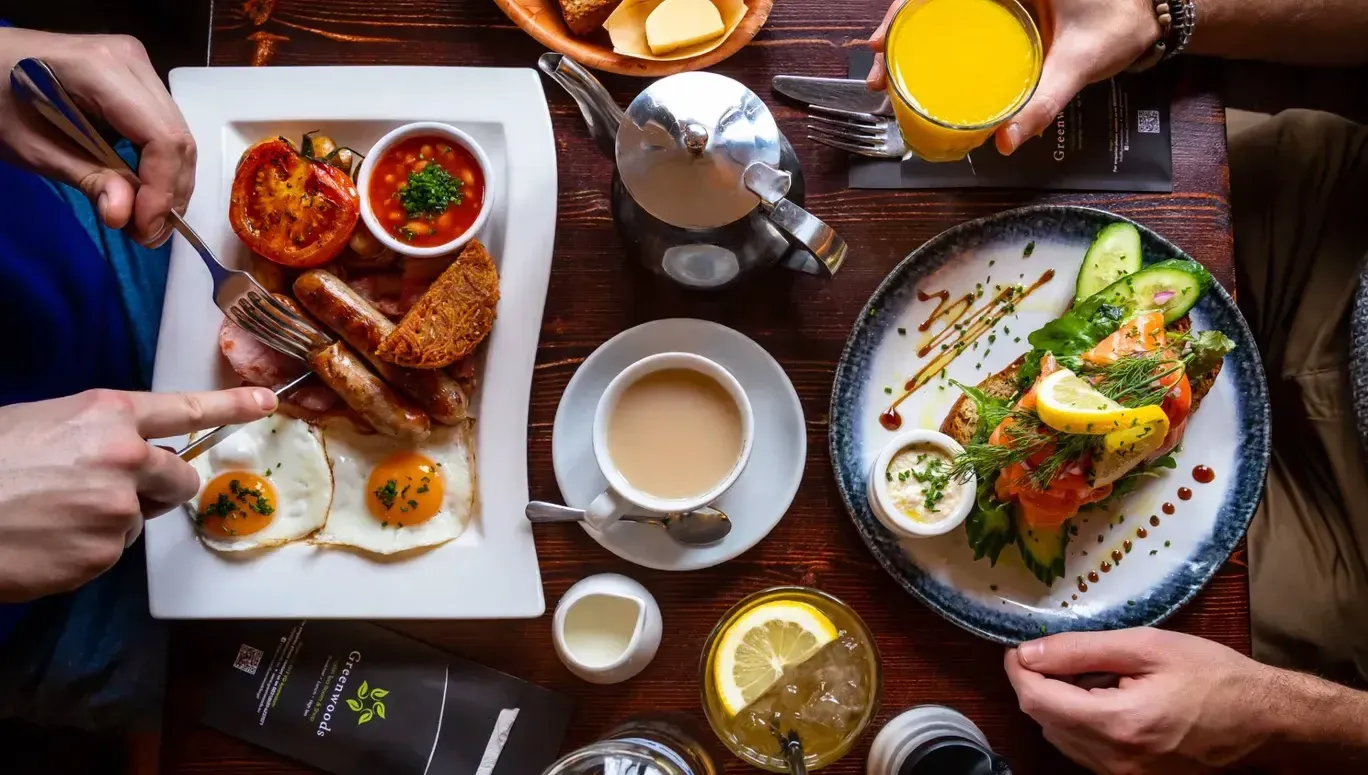
No eggs. No bacon. No pancakes, those are dinner here, and if that shocks you, our guide to Dutch pancakes explains where to eat them properly. The Dutch breakfast is the least performative meal in Europe, and once you understand why, you understand half of Dutch culture.
Why Breakfast Matters in Dutch Culture
The Dutch Pragmatism on a Plate
Let’s kick things off straight: breakfast in the Netherlands isn’t fancy. It’s not meant to wow your Instagram followers or make you question the meaning of brunch. It’s practical. Honest. Straightforward. Kind of like the Dutch themselves. And in this flat little country wedged between land and sea, we don’t waste our mornings fluffing omelettes or poaching eggs. Nah, we’re spreading peanut butter on bread and getting on with life.
Dutch culture is rooted in something we call “doe normaal”-just act normal. No drama, no frills. That bleeds into every corner of daily life, including what ends up on your breakfast plate. It’s a meal that’s less about indulgence and more about efficiency. Fuel. Function. A slap of cheese on a slice of volkorenbrood (whole wheat bread), a quick gulp of melk (milk), and off you go on your fiets through wind and rain.
It’s not lazy, it’s efficient. You’ve got tulips to tend and taxes to complain about.
And let’s not forget: the Dutch are dairy royalty. From Gouda to boerenkaas, this country’s got cows practically writing the national anthem. So yes, zuivel (dairy) will feature heavily. Cheese, yoghurt, milk-don’t even get us started on vla. If it came from a cow, chances are it’s in your breakfast.
A Nation Fueled by Dairy and Directness
Ever wonder why the Dutch are statistically among the tallest people in the world? Some say it’s the genetics. Others say it’s all the melk. I say it’s both. Breakfast isn’t just the most important meal of the day here-it’s the most dairy-forward. Kids grow up dunking their boterhammen (sandwiches) in warm milk before school. Adults go for buttermilk or drinkable yoghurt like it’s normal water.
And hey, if you’re lactose intolerant? Good luck. There’s oat milk now, sure, but good luck explaining that to your 80-year-old oma who still churns her own butter.
Breakfast sets the tone in the Netherlands: efficient, nutritious, and not trying too hard. It’s not a performance. It’s a habit.

The Breakfast Culture Shock: What Guests Tell Us
“Brood, Boter, en Beleg” - The Holy Trinity
I grew up with this breakfast, so to me it’s just… breakfast. But I’ve watched hundreds of guests on our tours process it in real time, and the reaction is always the same.
An American guest once described her first morning at a Dutch friend’s house: she expected croissants, maybe eggs, a little spread. What she got was a towering stack of sliced bread, butter, and what looked to her like dessert toppings.
“Help yourself,” the father said. “Brood, boter, en beleg. That’s all you need.”
The options? Hagelslag (chocolate sprinkles), pindakaas (peanut butter), appelstroop (apple syrup), and a tub of margarine the size of a small child. No pancakes. No sausages. Just bread with stuff.
She thought it was a joke. But the family tucked in like it was Christmas morning, and by the end of the week she was layering dark chocolate sprinkles on peanut butter like a native.
What Visitors Expect vs. What They Get
Visitors come expecting brunch: Instagrammable, colourful, complex. What they get is pure, unfiltered Dutchness. It doesn’t sparkle, but it works. Breakfast here isn’t for show. It’s for getting on your bike and conquering the day.
You’ll rarely find a Dutch person cooking breakfast. Toasting bread is about as much effort as it gets. It’s all cold items, stacked or spread. Think “sandwich bar meets dairy aisle.” But it grows on you. Soon you’re comparing the crispiness of different hagelslag brands and debating the ethics of using real boter over margarine.
Oh, and don’t expect “breakfast dates.” If someone invites you for a morning meal in the Netherlands, it’s probably your Oma and she expects you to be on time.
Traditional Dutch Breakfast Foods
Bread is King (and Yes, We Eat a Lot of It)
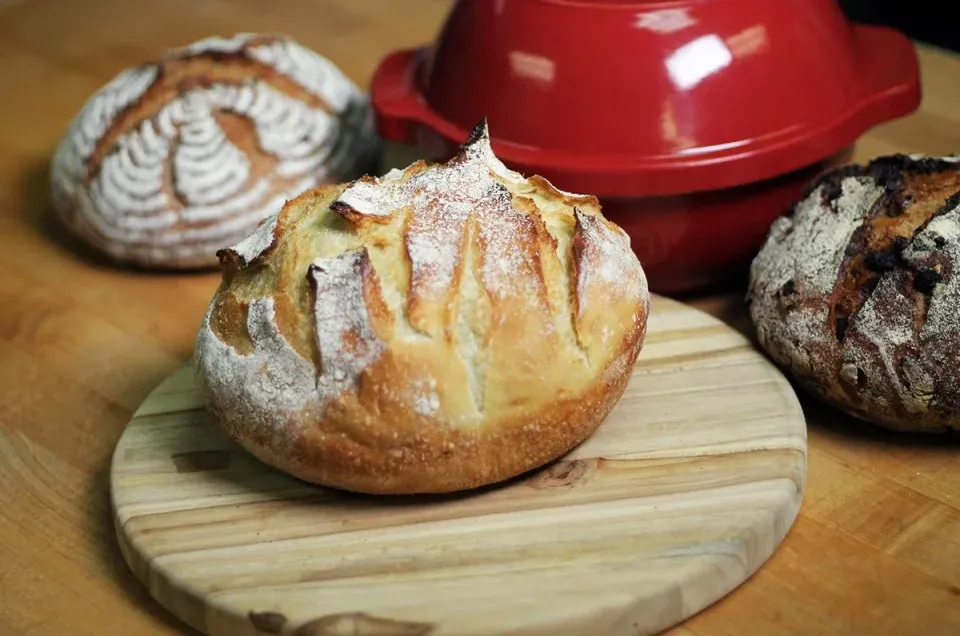
The backbone of any Dutch breakfast? Bread. Lots of it. We’re talking volkorenbrood, witbrood, roggebrood, and everything in between. If there’s a bakery within biking distance, chances are it’s open before dawn and selling warm loaves to bleary-eyed commuters.
The average Dutch person eats bread for breakfast AND lunch. It’s not unusual to consume six to eight slices a day. Some call it monotonous. We call it tradition.
Want to do it right? Toast your brood if you’re fancy, but most of us just slap on the beleg and bite. Multigrain, sourdough, rye-it doesn’t matter. It’s all about the topping.
Beleg Breakdown - From Hagelslag to Filet Americain
Let’s talk beleg. This is where the Dutch breakfast gets its personality. Beleg is anything you can spread, slice, or sprinkle onto your bread. Sweet or savoury, healthy or horrifying-it all counts.
Some favourites include:
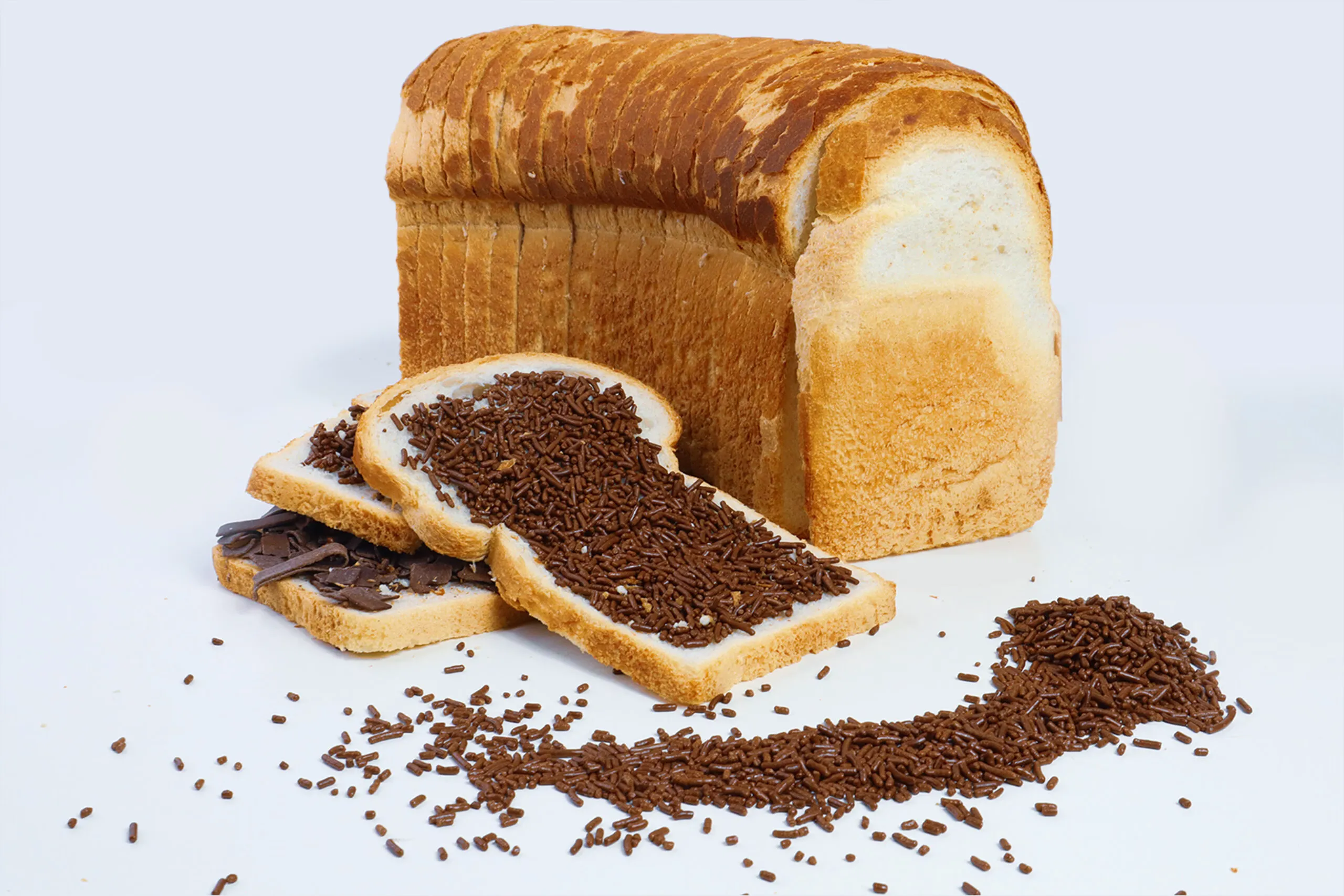
- Hagelslag - Chocolate sprinkles. Yes, it’s a thing. No, it’s not just for kids.
- Pindakaas - Dutch peanut butter. More savoury than the American version.
- Appelstroop - A thick, iron-rich apple syrup.
- Gouda slices - Because what’s a meal without cheese?
- Filet Americain - Raw beef spread. Like steak tartare’s humble cousin.
And don’t sleep on the combos. Pindakaas + hagelslag? Legendary. Cheese + appelstroop? Divine. We’re experimental like that. You might even find a slice of komkommer (cucumber) chilling next to your chocoladevlokken (chocolate flakes).
Zuivel Overload: Yoghurt, Kwark, and Vla
Here’s the thing: Dutch people are borderline obsessed with zuivel. Milk, yoghurt, kwark (a thicker, tangier cousin of yoghurt), and vla (pudding-like dessert served cold) are staples. You’ll find tubs of yoghurt in every fridge, often eaten plain or with fruit, muesli, or granola.
Vla, especially, is an enigma. Is it dessert? Is it breakfast? No one knows, and no one questions it. You can buy it in cartons like juice. It comes in vanilla, chocolate, and even dubbelvla (half-vanilla, half-choco in a yin-yang swirl of dairy goodness).
Kids might start their day with a bowl of yoghurt and fruit. Adults? Some go hardcore with karnemelk (buttermilk) and bread. It’s not glamorous-but it gets the job done.
What You Won’t Find on a Typical Dutch Breakfast Table
The Absence of Bacon and Eggs (Sorry, America)
So you’ve landed in Amsterdam, checked into your quaint canal-side Airbnb, and are dreaming of a hearty bacon-and-eggs situation to kickstart your day. Bad news: that ain’t happening here. If you walk into a local Dutch home around 8:00 a.m. expecting sizzling bacon, scrambled eggs, or even a lonely sausage link-you’re in for a surprise. Or rather, a mild, bread-based letdown.
Why no eggs and bacon, you ask? Because the Dutch breakfast isn’t trying to impress you. We don’t do greasy spoons at 7 a.m., and nobody’s flipping pancakes unless it’s a Sunday and someone’s trying to be fancy. Eggs are saved for lunch or dinner (ever had uitsmijter?), not for the breakfast table. And bacon? That’s for soup or stamppot.
The Dutch eat to energize, not to indulge. Our mornings are tight: wake up, eat, bike, werk. There’s no sitting around with a bottomless cup of filter coffee pondering the day’s plans. It’s more like: scarf this down, and let’s go conquer the rain with enthusiasm slightly higher than a shrug.
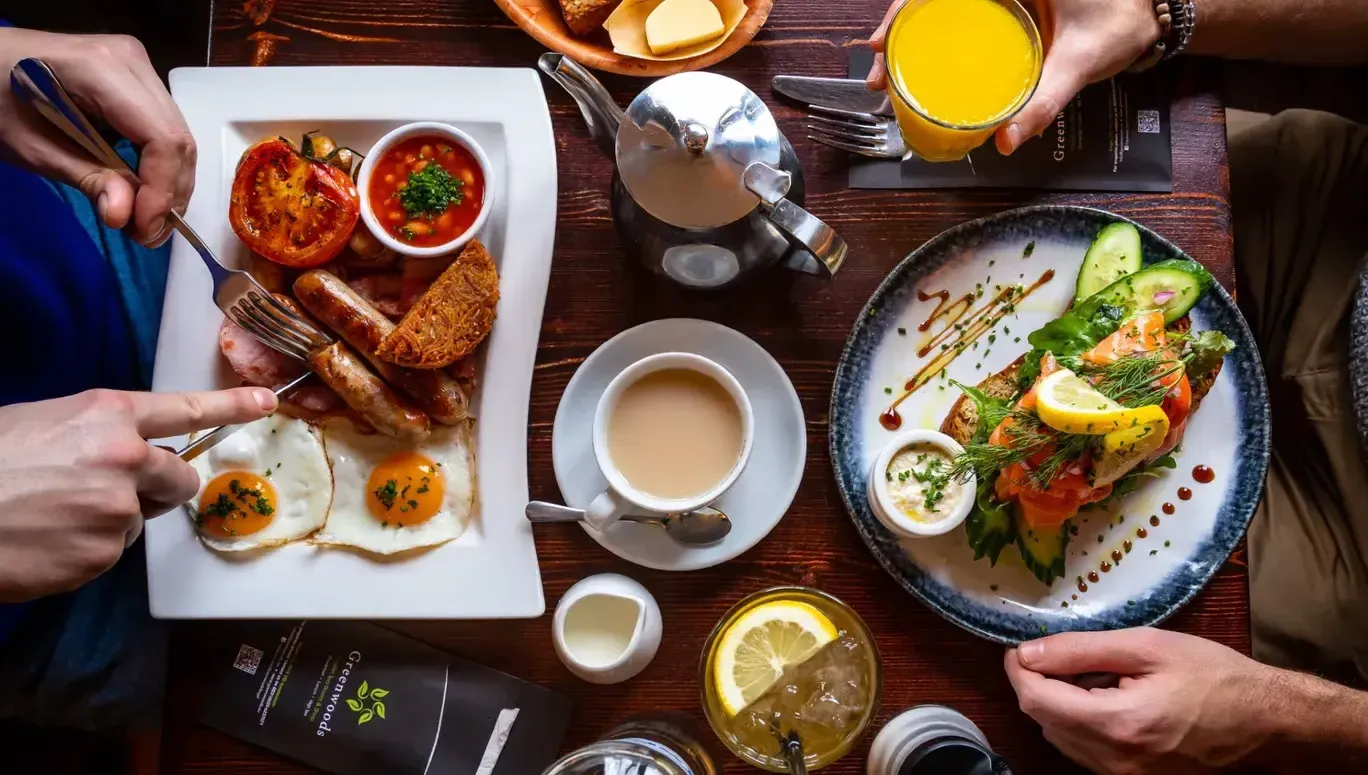
So if you’re chasing that full English fry-up… you’ll have to settle for a full Dutch dry-up.
No Fuss, No Frills-Just Get on With It
If there’s one thing Dutch breakfast absolutely isn’t, it’s fancy. You won’t find açaí bowls, chia puddings, or towering plates of avocado toast in a typical Dutch home. (Unless you’re in Amsterdam-West and your roommate is a yoga instructor named Fleur.)
The Dutch breakfast table is about predictability. There’s a quiet comfort in knowing what’s going to be there-bread, spreads, dairy, coffee. The lack of variety isn’t laziness; it’s intentional. Why fix what works?
And let’s talk about the coffee. It’s not a caramel macchiato situation. It’s plain, black filter coffee, possibly with a splash of melk. If you’re lucky, you might get a koekje (biscuit). But don’t get excited. It’s small, dry, and will leave you wanting a stroopwafel, the kind you get warm on a private Amsterdam food tour. That’s the point.
In a society that thrives on egalitarianism, the breakfast table is where culinary democracy lives. Everyone gets the same. No truffle oil. No smoked salmon. Just bread and spread-and maybe some Gouda if it’s payday.
Regional Twists and Local Favorites
Limburg vs. Friesland-Who Wins Breakfast?
The Netherlands may be a small country, but don’t let its size fool you. There are huge regional differences-even at the breakfast table.
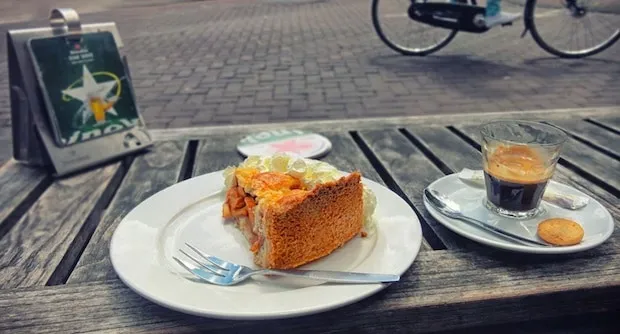
Let’s start with Limburg. These southerners are known for their bourgondisch (Burgundian) lifestyle, which basically means they like to eat well and live large. In Limburg, you might find a slice of vlaai (fruit tart) alongside your morning coffee. Yep, pie for breakfast. Try arguing with that logic. It’s sweet, light, and pairs brilliantly with a slap of thick cream or-of course-a glass of buttermilk.
Meanwhile, up in the chilly north, Friesland keeps it old school. Think sûkerbôle (sugar bread)-a rich, sweet loaf with pearls of sugar embedded inside. Toasted with butter, it’s like a warm hug for your taste buds. You’ll also find more local dairy-like Friese nagelkaas, a spiced cheese flavored with cloves.
These regional touches add a bit of flair to the otherwise minimalist Dutch breakfast. It’s where the nation’s culinary personality peeks through the bland beige of bread slices.
Seasonal Specials and Local Delicacies
When the seasons change, so does the Dutch breakfast… slightly. Let’s not get crazy-it’s still mostly bread. But the toppings? They get festive.
- In the winter, you might see more speculaas spread or even a cheeky slice of kerststol (Christmas bread with almond paste) next to your morning tea.
- Come spring, fresh aardbeien (strawberries) with sugar on bread is a whole vibe. Add a dollop of slagroom (whipped cream) and you’re basically brunching.
- Autumn? Time for appelstroop and aged cheese. Warm, sweet, sharp-just like a proper Dutch auntie.
Local markets also offer regional cheeses and fresh bakery specials. Don’t be surprised to find yourself munching on an eierkoek (egg cake) or sneaking a krentenbol (currant bun) into your bike basket on your way to work.
Even our “boring breakfast” has its moments. You’ve just got to know where to look-and maybe befriend a local oma who’ll sneak you something homemade.
Breakfast on the Go: How the Dutch Fuel Up Fast
Station Stops, Kiosk Coffees, and 3-Minute Meals
Ever been to a Dutch train station at 7:45 a.m.? It’s like a perfectly choreographed ballet of half-asleep commuters and hurried bike parkers. There’s no time for lingering. We’re Dutch-we get moving. And our breakfast habits reflect that.
Step into any station and you’ll find a ritual in motion. A quick stop at AH to Go (Albert Heijn’s speedy convenience version) gets you a kant-en-klaar ontbijtbox (ready-to-go breakfast box), a yoghurt cup, or a granola bar that’s probably just a chocolate bar in disguise. Add a cardboard cup of filterkoffie and you’re flying.
There’s also kiosk classics like a warm cheese croissant, a saucijzenbroodje (sausage roll), or a broodje kaas. And for the truly time-starved: banana, slap of peanut butter on a slice of bread, eaten while waiting for your tram. Efficient? Extremely. Glamorous? Not at all.
And let’s be real-nothing beats the adrenaline of trying to butter a slice of rye bread while balancing your coffee, phone, and OV-chipkaart all at once.
Dutch Office Breakfasts: Not What You Think
If you’ve ever worked in a Dutch office, you’ll know: breakfast is not a social event. Forget bagels and schmears or catered omelettes. Here, it’s about sneaky bites between inbox refreshes. Most folks bring their boterhammen from home, neatly wrapped in reusable wax cloth or the old-school broodschaaltje (bread box). It’s packed like a ritual: two slices of whole-grain bread, a slice of cheese, a touch of margarine, stacked like the Holy Grail of efficiency.
The fun part? Office fridges are usually stocked with melk and yoghurt. Grab a plastic cup, pour some kwark, toss in a scoop of muesli. Done. Zero fuss. 100% Dutch.
And if it’s someone’s birthday? You might score a beschuit met muisjes (rusk with sugared anise seeds)-but that’s about as wild as it gets.
Making a Dutch Breakfast at Home: A Realistic Guide
Dutchify Your Morning: Our Top Tips
- Rotate your beleg: Don’t stick to just peanut butter. Experiment with layering-try pindakaas AND hagelslag. It’s allowed. Encouraged, even.
- Chill your glass of melk: We drink it cold. No froth. No vanilla syrup. Just cow and courage.
- Use the right bread: No soft American white bread. Get some dense volkoren. The kind that’s more brick than fluff.
- Eat at the table: The Dutch like their routines. Sit down. Eat. No screens. Unless it’s NOS journaal.
- Don’t overthink it: That’s the whole point. Breakfast should get you out the door, not hold you hostage in the kitchen.
Why Tourists Get It Wrong (and How to Get It Right)
This Isn’t Your Average Stroopwafel-and-Run
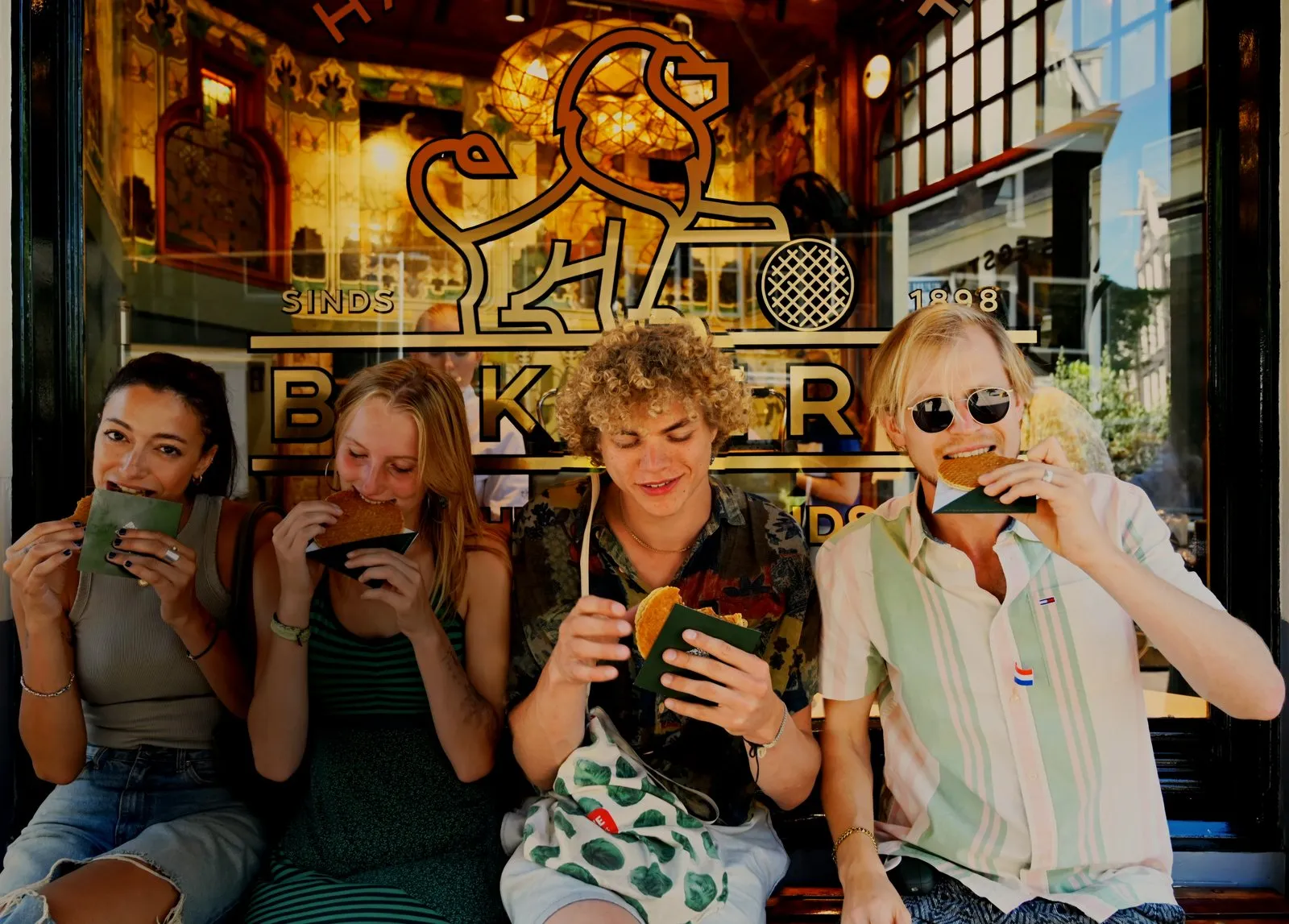
Let’s clear something up: eating a stroopwafel from a street vendor does not make you a breakfast expert. Delicious? Sure. Authentic? Only if you’re eleven and on a school trip to a kaasboerderij.
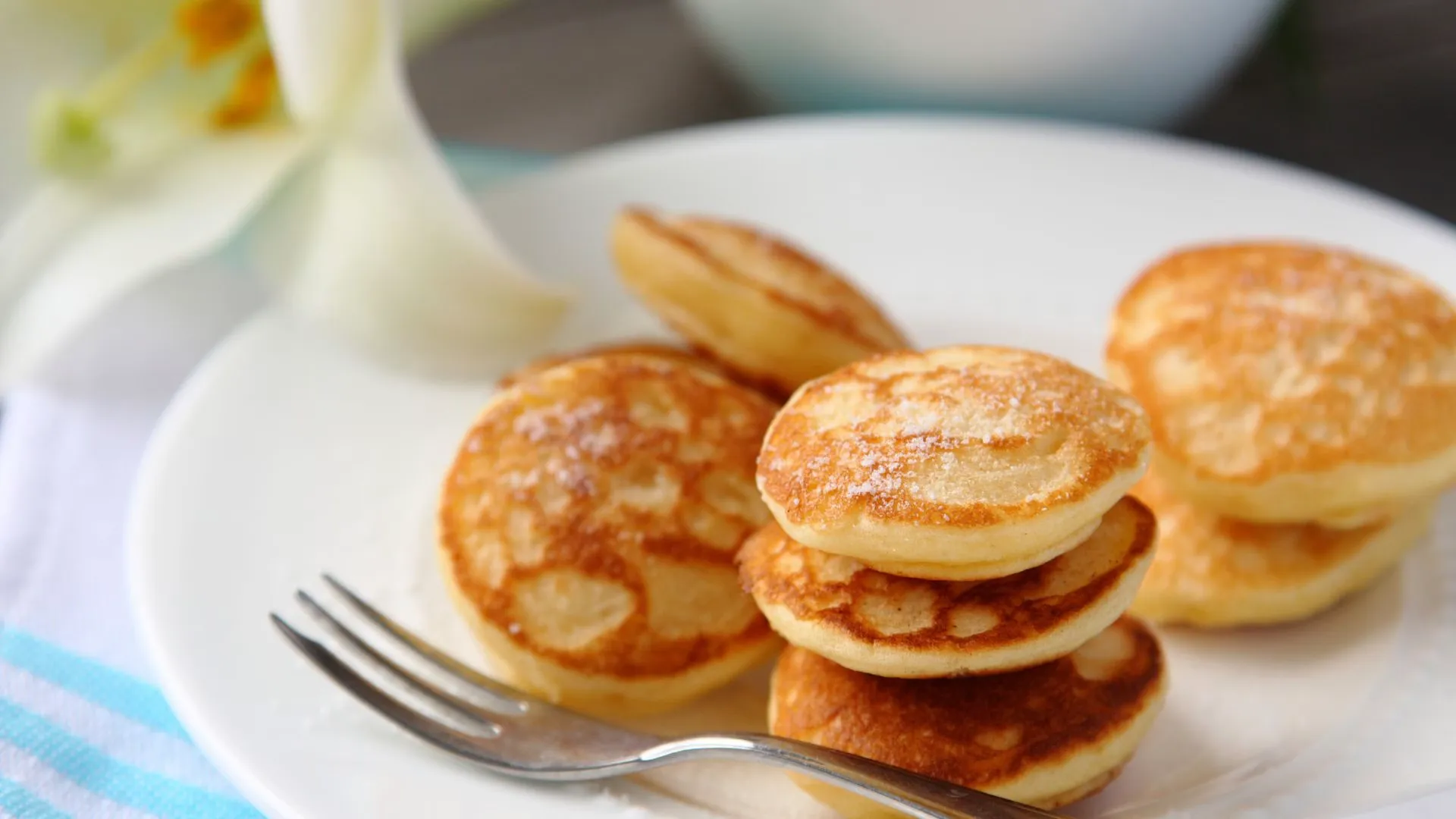
Most tourists come in expecting pancakes and end up confused by the sheer dominance of bread and butter. Here’s the thing-we don’t eat pannenkoeken for breakfast. We eat them for dinner. Yes, dinner. With syrup and bacon and powdered sugar. So if you’re looking for a breakfast joint serving Dutch pancakes at 9 a.m., you’re already off track.
Want to do it right? Head to a local supermarkt, grab the Dutch staples, and eat like the locals do, or let a guided Amsterdam food tour walk you through the staples in one afternoon. Or better yet, book a local B&B that serves a real ontbijt-you’ll get a taste of the good stuff: homemade jams, farm cheese, and eggs from the neighbor’s chickens.
Because here, breakfast isn’t a tourist trap-it’s a habit. And if you want to become even remotely Dutch, you’ve got to start your day the Dutch way.
The Future of Dutch Breakfast: Trends and Twists
From Veganism to Bio-Brood
Even in a land where tradition runs deep and breakfast is basically bread, trends are seeping in like rain through an Amsterdam window. More Dutchies-especially millennials and Gen Z-are giving their breakfasts a plant-based makeover. Enter havermelk (oat milk), vegan kaas, and sojayoghurt into the chat.
Supermarkets now carry entire shelves of biologisch brood (organic bread), glutenvrije opties (gluten-free options), and even kombucha breakfast drinks. Though let’s be honest, your average Dutch oma still raises an eyebrow at “plant butter.”
Urban hubs like Rotterdam and Utrecht are pushing the envelope, offering avocado toast in cafés that look like minimalist Scandinavian dreams. But out in the countryside, it’s still brood, boter, beleg. And maybe a sheep staring at you through the window while you eat.
Tech-Savvy Breakfast? Not Yet
You won’t find many Dutch people scanning QR codes to customize their breakfast. Tech hasn’t quite disrupted the morning table. The most digital we get is the self-checkout at Albert Heijn or scheduling a broodbezorging (bread delivery) from your local bakkerij.
So don’t expect smart fridges telling you how many hagelslag you’ve used this week. If you want to eat like a local, use your hands, your nose, and your upbringing. That’s the Dutch way.
Where to Eat a Dutch Breakfast in Amsterdam
Want to taste all this without moving into a Dutch household? A few honest routes:
- Do it supermarket-style. Buy a fresh loaf, young gouda, a carton of milk and a box of hagelslag at any Albert Heijn, find a canal-side bench, and eat breakfast like three million Dutch commuters do. Total cost: about a fiver.
- Find a real bakery. The city’s neighbourhood bakkerijen sell krentenbollen (currant buns), fresh volkorenbrood and eierkoeken from early morning. Follow the smell, not the queue.
- Go brown-cafe Dutch. Coffee and a slice of appeltaart in an old wood-panelled cafe is technically not breakfast. It is also how half the Jordaan starts a Saturday. When in Amsterdam.
- Let us walk you through it. Our food tour covers the whole Dutch food story, hagelslag debates included, with a knowledgeable local doing the explaining and the ordering.
Conclusion: Bread, Beleg, and Being Dutch
So what’s the takeaway from all this brood talk? Dutch breakfast isn’t about making a statement. It’s not flashy, trendy, or ‘grammable. It’s honest. It’s practical. It gets you out the door and onto your fiets.
It’s the kind of meal that says, “We’ve got tulips to tend, meetings to suffer through, and canals to avoid falling into-so let’s not make a big deal out of this.”
Yes, there’s a lot of bread. And yes, we eat sprinkles for breakfast. But there’s a kind of poetry in the simplicity. You start to appreciate the quiet consistency, the small joys of a slice of cheese melting slightly into warm toast, or the way cold buttermilk clears your sinuses faster than a Dutch windstorm.
So next time you find yourself in the Netherlands, skip the tourist traps and do it our way. Load up on volkorenbrood, spread that pindakaas thick, pour yourself a glass of melk, and join us in starting the day the Dutch way.