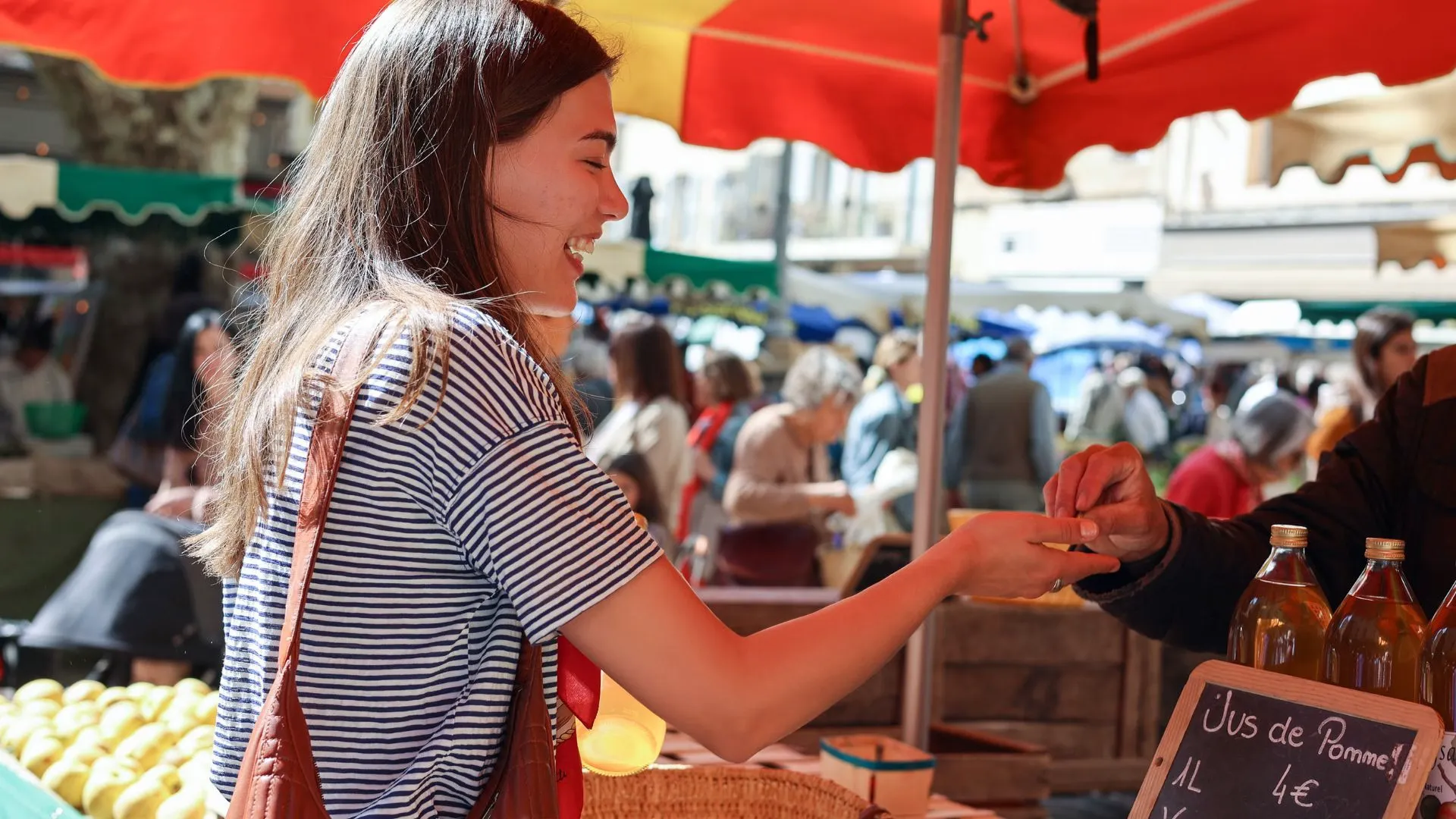
If you think Dutch food is just cheese and stroopwafels, you’ve clearly never stood elbow-to-elbow with a local grandma at an Amsterdam market, haggling over the ripest strawberries or the best-smelling fish. Here, cooking isn’t a chore-it’s a celebration, a bit of everyday poetry. Amsterdam’s food scene is a wild jumble of traditions, spiced up with flavors from every corner of the world. And when you join a market-to-table cooking class, you’re not just learning how to cook; you’re stepping right into the city’s living, beating heart.
Forget about faceless supermarket aisles. Amsterdam’s markets are chaotic, loud, a little cheeky-and absolutely bursting with stories. This is where real cooks, curious travelers, and the occasional culinary rebel come together, baskets in hand, eyes on the day’s best catch. Ready to swap your phone’s recipe app for a chef’s apron? Let’s take a stroll through the city’s tastiest tradition.
The Soul of Amsterdam: Food Markets as the City’s Heartbeat
Amsterdam is built on water, brick, and stubbornness-but food markets are what keep it alive. For centuries, these markets have been more than places to buy dinner; they’re where the city catches up, argues, flirts, and celebrates the art of fresh food.
History of Amsterdam’s Markets
Centuries ago, canals were filled with herring boats and produce barges, and every neighborhood had its own square where farmers and fishermen hawked their wares. Markets have survived floods, wars, and waves of migration-each one leaving a new flavor in its wake. Today, from Albert Cuypmarkt’s buzzing stalls to Noordermarkt’s Saturday bounty, these spaces are as much about social life as about shopping.
How Markets Shape the Local Table
You want to know what’s for dinner in Amsterdam? Go to the market and see what looks good. Seasonal, local, and whatever the fishmonger’s proud of-that’s the city’s food philosophy. The best cooks (and the smartest chefs) let the market decide the menu. It’s democracy at its tastiest.
Why Market-to-Table Cooking?
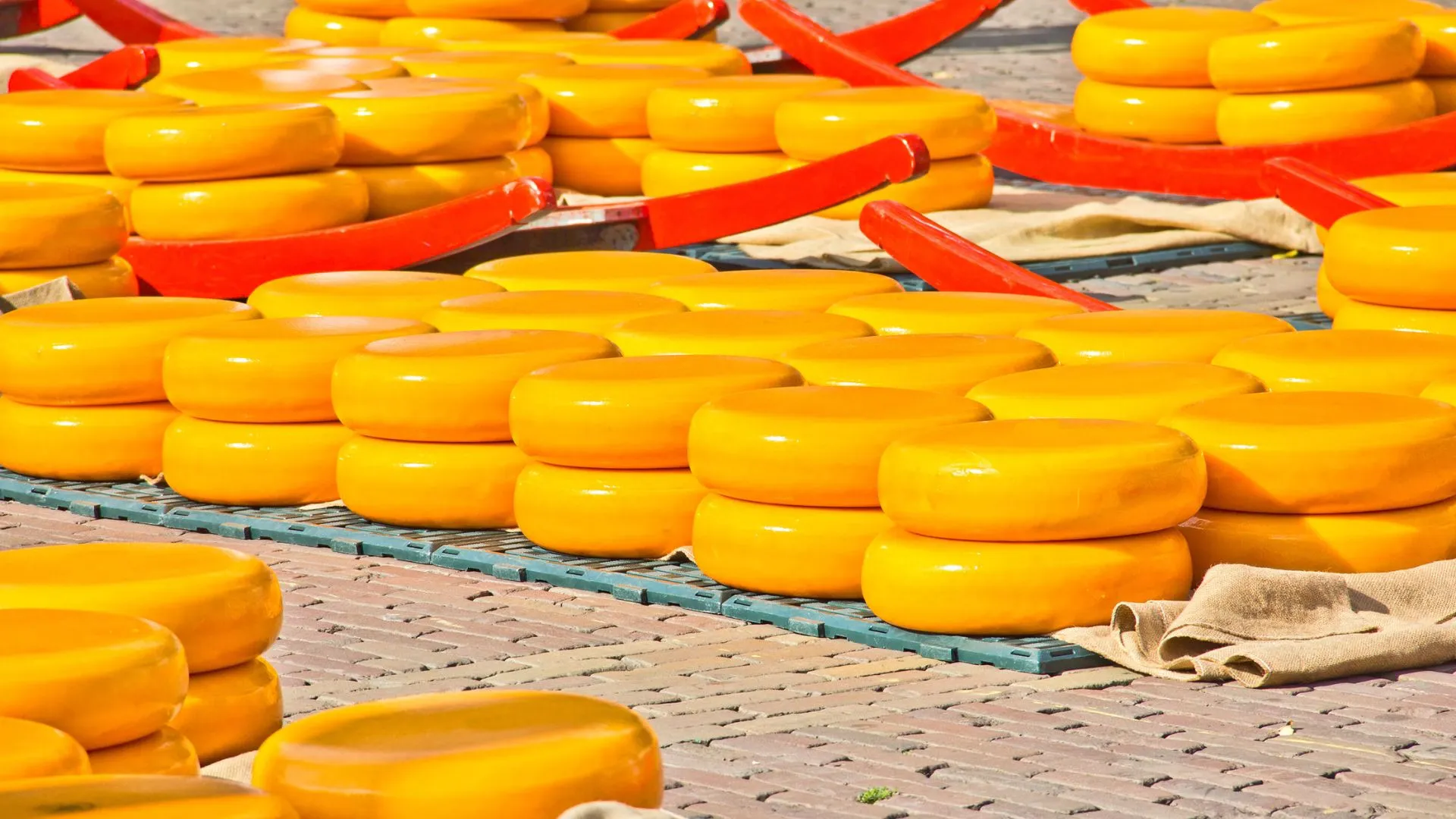
Some cities are content with “farm-to-table.” In Amsterdam, we go all the way-market-to-table, with a few detours for gossip and cheese tasting along the way.
Beyond Farm-to-Table: Amsterdam Style
Here, the markets are closer than the farms, and the city’s diverse food history means you can buy Moroccan spices, Surinamese herbs, and wild local mushrooms-all in a single morning. Market-to-table means you cook what’s in season, what’s freshest, and what catches your eye. It’s spontaneous, sometimes surprising, and always more fun than following a shopping list.
Benefits of Using Fresh, Local, and Seasonal Ingredients
- Flavor first: Vegetables that taste like sunshine.
- Sustainability: Less travel, less packaging, more planet-friendly.
- Community: You buy from people, not corporations.
- Inspiration: The market’s bounty keeps even veteran cooks on their toes.
And let’s be honest-nothing impresses your friends back home like a photo of you cooking with tulip-fresh ingredients from a Dutch market.
The Most Beloved Markets in Amsterdam
If you want to eat like an Amsterdammer, start at the source. Each market has its own flavor, crowd, and secret specialties. Here’s where your culinary adventure begins:
Albert Cuypmarkt: The Iconic Food Bazaar
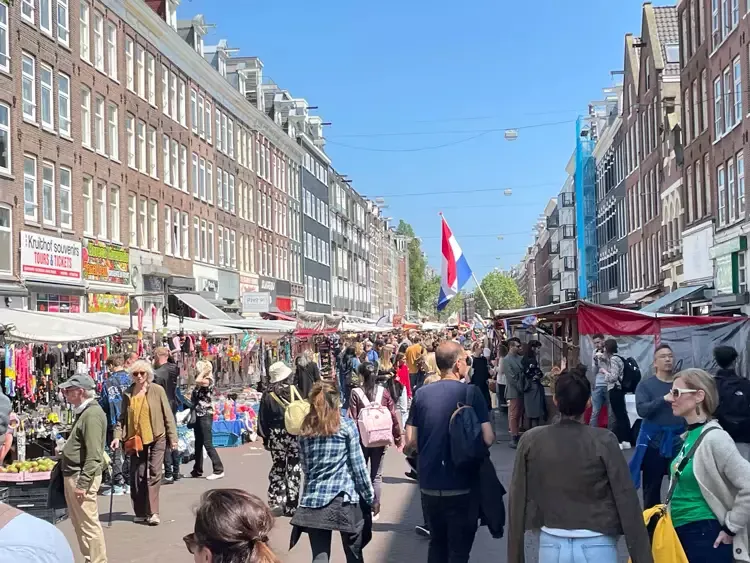
Every Amsterdammer has a memory here. Whether it’s biting into hot stroopwafels, grabbing Surinamese snacks, or bantering with cheese vendors, this market in De Pijp is pure sensory overload, the kind you can taste on a food tour before you ever tie on an apron. Expect stalls selling everything from Dutch herring to Middle Eastern pastries. Bonus points for bargaining with a wink.
Noordermarkt: Farmers, Foragers, and Foodies
Saturday mornings at Noordermarkt feel like a festival for serious eaters. Here, you’ll find organic vegetables, wild mushrooms, farm cheeses, and bread so good it could bring a tear to your eye. In autumn, foragers arrive with baskets of chanterelles and forest treasures. Pro tip: arrive early, bring cash, and skip breakfast.
Dappermarkt, Ten Katemarkt, and Others
Craving something different? Dappermarkt is the city’s most multicultural food parade, offering Moroccan mint tea, Turkish pizza, and Surinamese roti alongside Dutch staples. Ten Katemarkt is a local favorite in Oud-West, beloved for its relaxed vibe, cheap eats, and friendly faces. Don’t overlook neighborhood markets-sometimes the smallest stalls hide the biggest flavors.
How Cooking Classes Work: From Shopping to Chopping
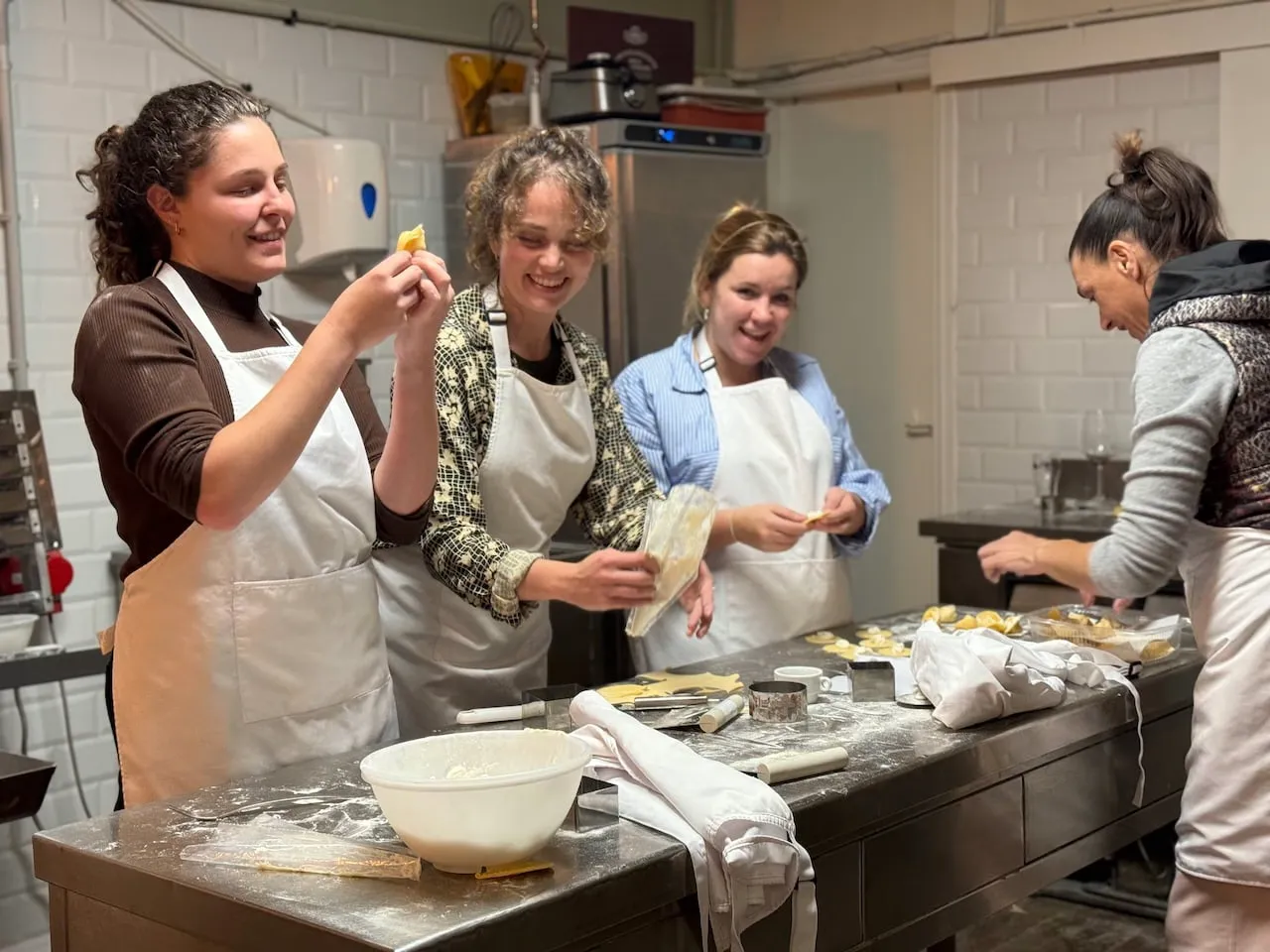
Market-to-table cooking classes are a full-body, all-senses experience. Forget silent kitchens and clinical demos-here, you’re part of the action from the first hello to the final toast.
Meeting the Chef at the Market
Your guide isn’t just a teacher-they’re your insider, translator, and partner-in-crime. You’ll meet by the market’s main gate (often before the crowds), armed with shopping bags and a flexible menu. The chef leads the way, introducing you to their favorite stalls, sharing secrets, and teaching you the difference between “good” and “life-changing” cheese.
Selecting Ingredients and Bargaining Like a Local
You’ll get your hands dirty-sniffing herbs, squeezing fruit, chatting with fishmongers, and sampling as you go. Expect the chef to haggle, laugh, and ignore anyone who tries to sell you second-rate produce. If you’re lucky, you might get an extra treat or two “for tasting.”
A Hands-On, Real Amsterdam Experience
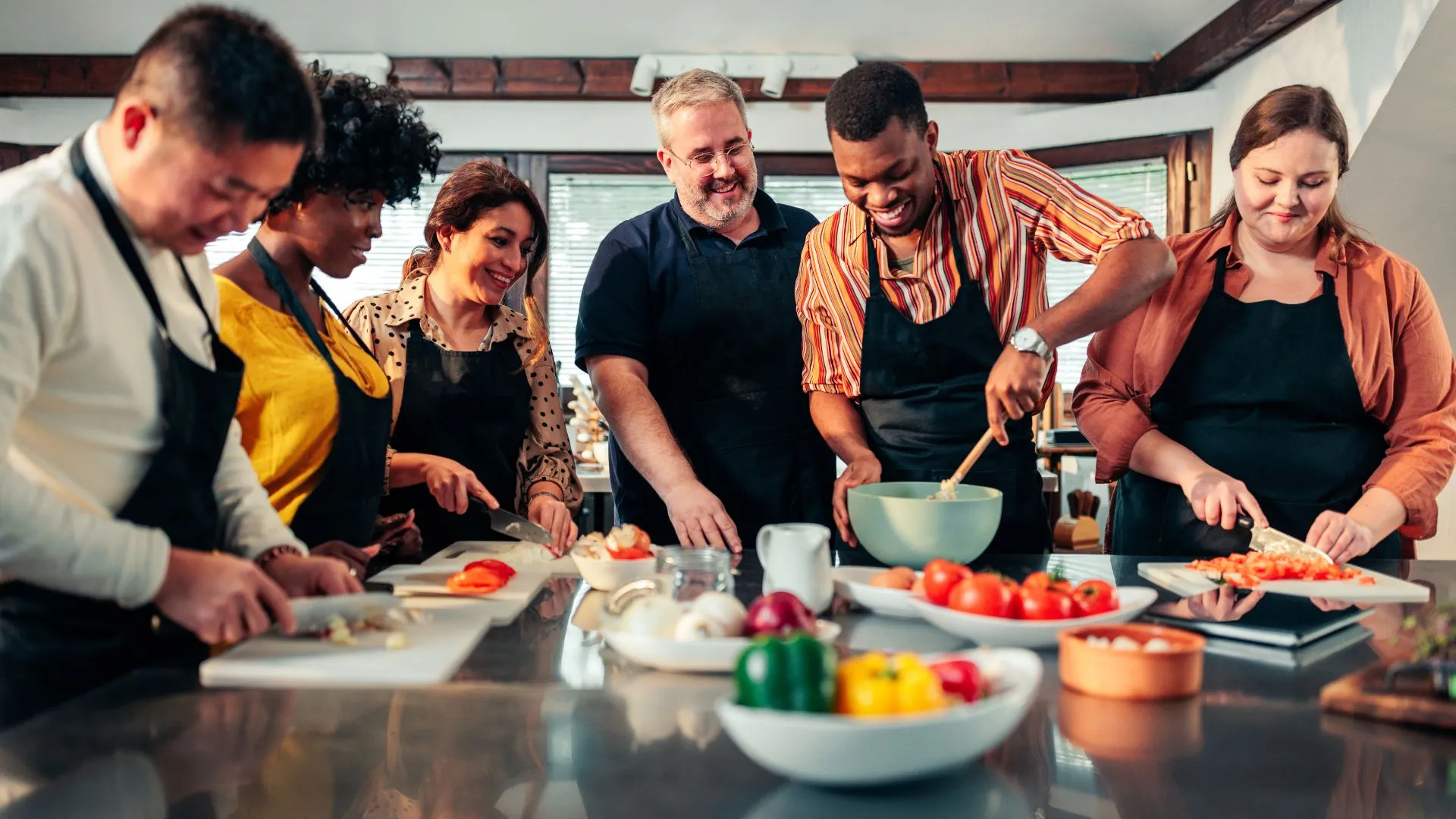
Once you’ve filled your bags, it’s off to the kitchen-maybe a homey apartment, maybe a sleek studio, maybe even a hidden canal-side spot. From there, you’ll prep, chop, and cook together, learning the tricks of Dutch and international favorites. No sitting back and watching-everyone joins in, mistakes and all.
And the best part? You eat what you cook, together, with a sense of triumph and the faint smell of garlic on your hands.
Popular Market-to-Table Cooking Class Styles
Amsterdam’s market-to-table cooking classes aren’t just about Dutch food-they’re a true taste of the city’s global soul. Expect to find an astonishing variety of flavors, all tied together by what’s fresh at the market that day.
Classic Dutch Cuisine With a Twist
Think stamppot with just-picked greens, North Sea fish fried up in herb-infused batter, or traditional appeltaart using apples you chose yourself. Some classes put a modern spin on the classics-adding za’atar to potatoes, or baking bread with Moroccan olives. It’s Dutch comfort food, but with Amsterdam’s trademark curiosity and cheekiness.
International Flavors: Indonesian, Surinamese, Italian, and More
You might end up crafting an Indonesian rijsttafel from Albert Cuypmarkt spices, rolling out fresh Italian pasta with market tomatoes, or simmering Surinamese chicken curry with herbs you’ve never even seen before. Amsterdam’s market-to-table classes are as multicultural as the city itself-often led by chefs who grew up with these recipes. Forget about cooking “just Dutch”-in this city, every class is a border-crossing adventure.
Vegetarian, Vegan, and Dietary-Friendly Experiences
Worried about restrictions? Don’t be. This city practically invented plant-based creativity. You’ll find classes for vegans, vegetarians, and anyone with food allergies. Expect market-fresh tofu stir fries, vegan bitterballen, gluten-free baking, and so much more. Nobody leaves hungry-or bored.
Amsterdam’s Most Engaging Cooking Schools and Hosts
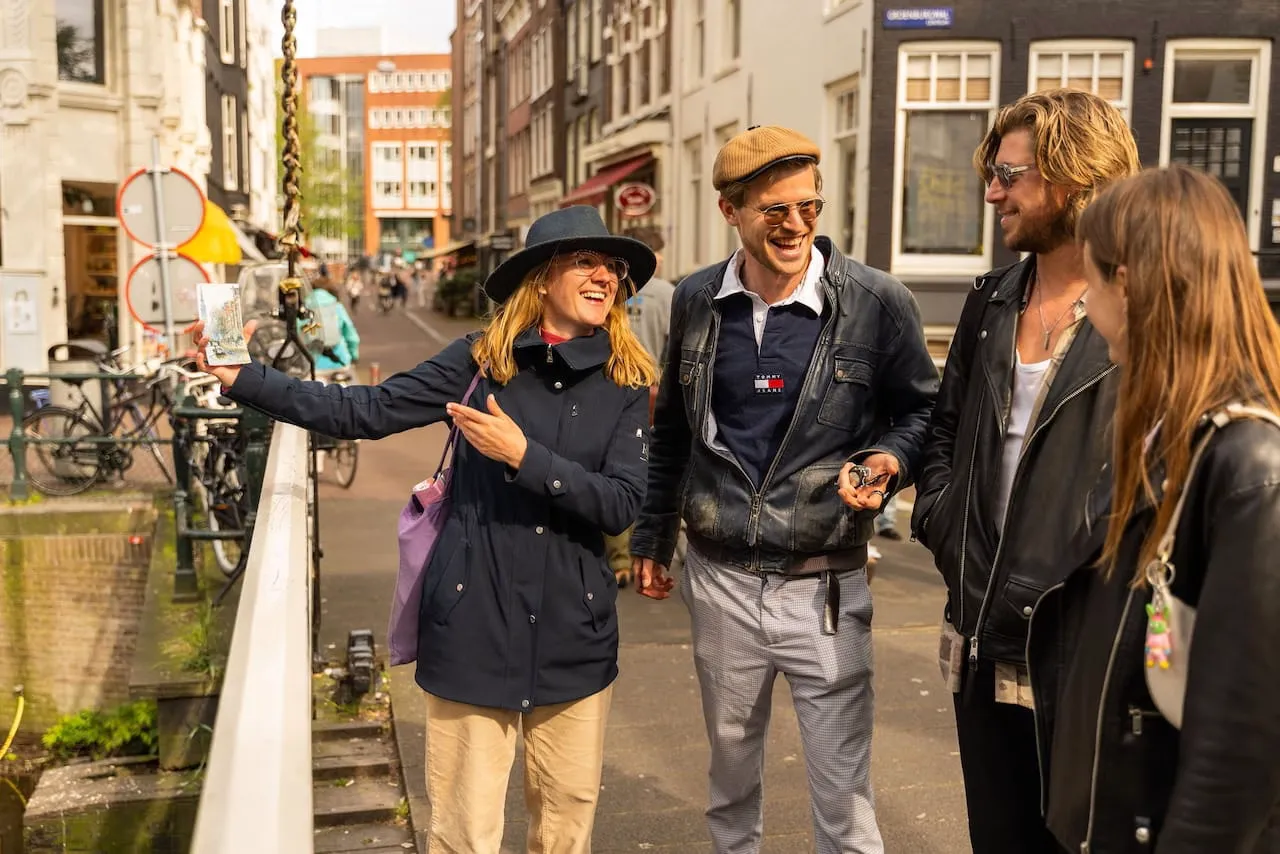
Here’s the secret ingredient: Amsterdam’s best cooking classes are run by people who love what they do, and it shows.
The Charismatic Chefs Leading the Way
From grandmas with unbeatable appeltaart recipes to Michelin-trained mavericks, Amsterdam’s food instructors are equal parts storyteller and culinary coach. Many are immigrants sharing their own food heritage, some are professional chefs taking a break from the restaurant world, and a few are just passionate home cooks who know the markets like their backyard. What unites them? They’re warm, witty, and absolutely allergic to culinary snobbery.
Home Kitchens vs. Professional Studios
You might cook in a sunlit canal house kitchen, a chic cooking school with high-end gadgets, or a cozy home where the host’s cat might join the fun. Both options have their charm: studios are great for group classes and gadgets; home kitchens give you a real slice of Amsterdam daily life. Some hosts even combine the two-think studio-quality kitchens in classic canal houses.
Language Barriers? Not Here!
Amsterdam is famously multilingual, and most classes are run in English (with plenty of local slang thrown in for flavor). Don’t speak Dutch? No problem. Your hosts are used to mixing it up, and food is the ultimate universal language. If you’re lucky, you’ll pick up a few Dutch food words-if only to shout “Lekker!” when you taste your own handiwork.
Seasonal Sensations: What to Cook When
One thing’s for sure: no two classes are ever the same. Amsterdam’s markets are ruled by the seasons, and that means your menu changes every month-sometimes every week.
Spring: Asparagus, Strawberries, and New Potatoes
Spring means crisp white asparagus (the Dutch “white gold”), wild greens, and strawberries so sweet you’ll eat them straight from the basket. Cooking classes in spring focus on freshness-light soups, salads, and the first local seafood of the year.
Summer: Berries, Tomatoes, and Seafood
In summer, the markets overflow with berries, cherries, ripe tomatoes, fresh herbs, and North Sea mussels. Expect hands-on lessons in seafood prep, fruit-forward desserts, and salads bursting with color and crunch.
Autumn: Mushrooms, Apples, and Wild Game
Fall is mushroom season, and the foragers come out in force-think chanterelles, wild herbs, and root vegetables galore. Apples star in cakes and tarts, and some classes even tackle wild game, with hearty stews and earthy flavors.
Winter: Root Veg, Kale, and Hearty Stews
When the cold sets in, the markets are packed with carrots, parsnips, celeriac, and the Dutch favorite-kale. Winter classes teach stick-to-your-ribs fare: stamppot, erwtensoep (pea soup), and slow-baked desserts. Don’t forget the warming mulled wine or strong coffee.
The Art of Ingredient Hunting: Tips for Market Success
Anyone can shop at a supermarket. But market shopping in Amsterdam is an adventure-and a skill worth learning.
How to Spot the Best Produce, Cheese, and Fish
Don’t be shy: ask questions, sniff, squeeze, and taste before you buy. The best produce looks bright and smells like itself. When it comes to cheese, look for aged goudas, fresh goat’s cheese, and nutty, crumbly wheels with character. Fish? Bright eyes, fresh scent-no fishy business.
Making Friends With Vendors
Smile, make a joke, and never underestimate the power of a sincere compliment. Amsterdam’s market vendors are a tough but friendly bunch, proud of their goods and quick with advice if you ask. Regulars get the best deals and the tastiest samples.
Sustainable Shopping: Respecting Amsterdam’s Eco-Mindset
Amsterdam is big on sustainability, so bring your own bags, say no to excess plastic, and ask about organic options. Many vendors are happy to share where and how their produce is grown. If you care about the planet (and your dinner), shop like you mean it.
From Apron to Table: Enjoying the Meal Together
Finally, the payoff: sitting down to eat. In Amsterdam, cooking isn’t just about the food-it’s about the people at your table.
Cooking as a Social Event
Market-to-table classes are part lesson, part party. You’ll laugh, spill, share stories, and maybe even sing while you cook. There’s no rush-just plenty of time to savor what you’ve made.
Dutch Dining Etiquette for the Modern Foodie
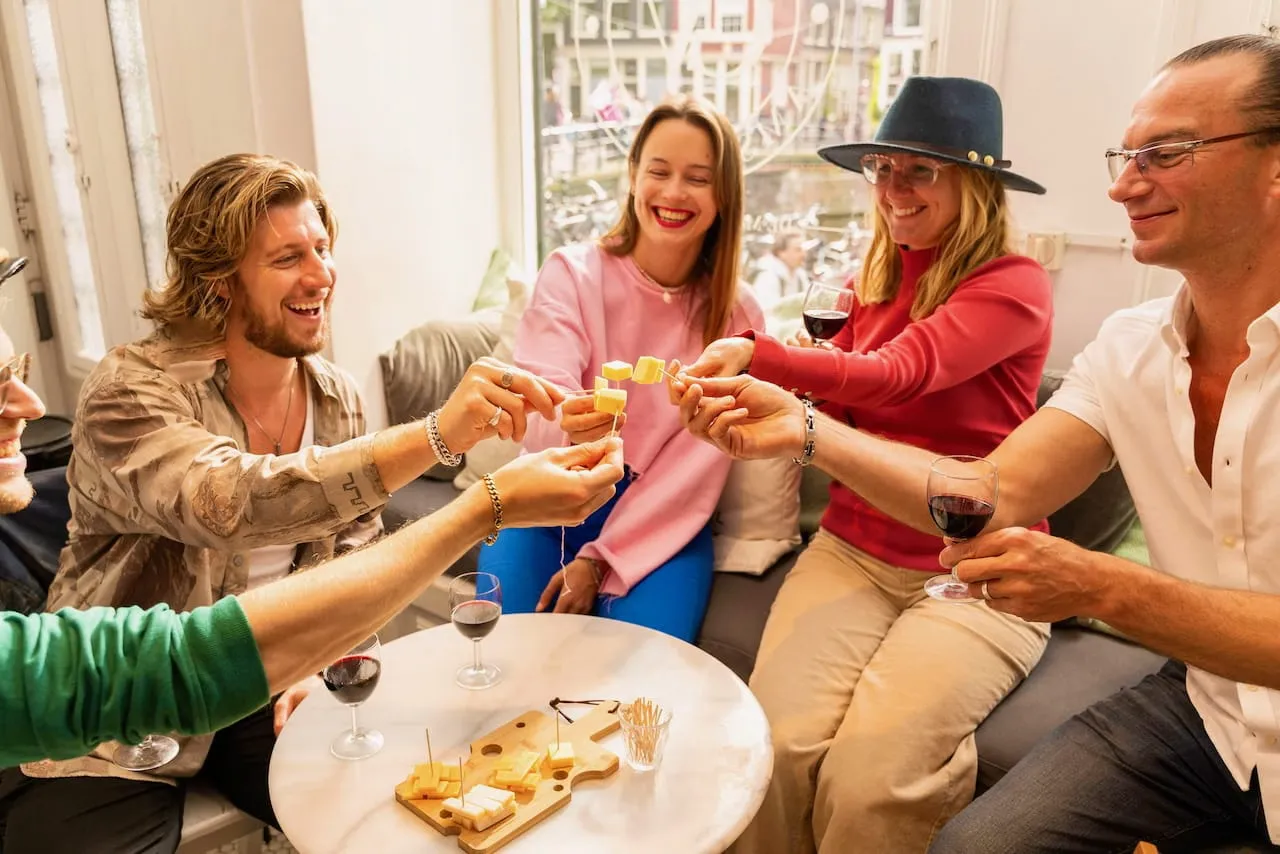
Keep it relaxed. Elbows on the table, lots of bread for dipping, and nobody leaves until the cheese is gone. Don’t worry about making a mess-Amsterdam is a city where food is meant to be enjoyed, not photographed for perfection.
Toasts, Traditions, and “Gezelligheid”
A Dutch meal ends with a toast-“Proost!”-and a round of thank-yous to everyone in the kitchen. You’re not just a student; you’re family, at least for the night. The word “gezelligheid” says it all: warmth, togetherness, and that special buzz you only get from sharing good food with good people.
Market-to-Table Cooking for Families, Couples, and Solo Travelers
Market-to-table cooking classes in Amsterdam are not a one-size-fits-all affair. They’re as versatile as the city’s weather, and way more fun. Whether you’re traveling solo, cozying up for a couple’s adventure, or wrangling a crew of picky kids, there’s a class with your name on it.
Custom Classes for Every Kind of Visitor
Some classes are small-group affairs-perfect for singles and solo wanderers looking to make new friends. Others can be booked as private sessions, much like a private tasting route built around your group, ideal for couples wanting to spice up their date night (or finally settle the “who’s the better cook?” debate). Family-friendly classes are hands-on and messy-in the best way-letting kids knead dough, pick market berries, and learn that vegetables aren’t actually scary.
Kid-Friendly and Date Night Options
Many hosts offer special workshops for children, featuring playful Dutch snacks (poffertjes, anyone?) or even mini “chocolate market hunts.” For adults, there are romantic market strolls at dusk, wine-and-cheese pairings, and even dessert-only workshops for those who believe dinner is just an obstacle before cake.
Learning, Laughing, and Making Memories
It’s not just about recipes-it’s about the stories you collect along the way. You might leave with a new technique or a local proverb, or a group photo with flour on your nose. These classes are designed to make you feel like a local-even if your Dutch accent is tragic.
Beyond the Plate: Taking Amsterdam’s Market Wisdom Home
A good cooking class doesn’t end when you leave the kitchen. The best market-to-table experiences give you something much bigger: the confidence to bring a slice of Amsterdam home.
Recipes, Skills, and Stories That Last
Most hosts send you home with written recipes, practical tips, and sometimes a handful of market-sourced goodies (spices, cheese, or that magic apple peeler you didn’t know you needed). You’ll learn not just what to cook, but how to approach food: with curiosity, flexibility, and a dash of Dutch stubbornness.
Shopping for Souvenirs That Aren’t Just Stroopwafels
Want to skip the tourist traps? Your chef will help you pick out edible souvenirs-aged cheese, local honey, Dutch mustard, spice blends-things that actually remind you of your day at the market, not the airport gift shop.
Building Your Own Market Ritual at Home
Maybe you’ll start visiting your local market with fresh eyes, asking questions and daring to try that weird-looking vegetable. Maybe you’ll cook dinner for friends, tell stories, and declare “Proost!” as if you never left Amsterdam. That’s the real takeaway.
Cooking Class Survival Guide: How to Get the Most Out of Your Experience
Worried you’ll chop the onions wrong or burn the fish? Relax. Amsterdam’s cooking classes are about learning and fun, not chef-level perfection.
Booking Tips and What to Bring
- Book early: Popular classes fill up, especially in high season.
- Dress comfortably: Kitchens get warm and market strolls mean lots of walking.
- Bring an appetite: Seriously, you’ll want to try everything.
- Cameras welcome, but don’t overdo it: Live in the moment.
Common Mistakes (And Why It’s Okay to Burn the Onions)
Everyone messes up sometimes-burnt onions, soggy cake, and accidental chili overload happen. The Dutch attitude? Laugh it off, fix what you can, and learn for next time. Mistakes make the stories.
What to Expect-And What Not to Worry About
Expect warm hosts, real conversations, and plenty of opportunities to ask questions (no such thing as a stupid one here). Don’t worry if your potato mash isn’t restaurant-perfect-the joy is in the process, the company, and the eating.
Must-Try Dishes You’ll Learn in Amsterdam’s Cooking Classes
Every class is different, but some dishes are Amsterdam classics-and you’ll never look at Dutch food the same way again.
Dutch Classics: Stamppot, Appeltaart, Bitterballen
Learn to make stamppot (hearty mashed potatoes with greens and sausage), fry up golden bitterballen (the world’s best bar snack), or bake a proper Dutch appeltaart from scratch-tall, rustic, and always with whipped cream.
International Hits: Roti, Indonesian Satay, Surinamese Stews
Amsterdam’s markets mean world cuisine: Indonesian satay with peanut sauce, Surinamese chicken roti, even homemade Italian pasta with local tomatoes. These classes celebrate the city’s mix, using what’s fresh and seasonal.
Sweet Endings: Market-Driven Desserts
Think poffertjes dusted with sugar, berry tarts, or chocolate-dipped market strawberries. Dutch desserts are simple but powerful, proving that you don’t need fancy tricks to make something “lekker.”
Conclusion: Why Market-to-Table Cooking is the Real Taste of Amsterdam
Amsterdam’s market-to-table cooking classes are more than a day in the kitchen-they’re a crash course in how this city really eats, celebrates, and connects. Here, you shop where locals shop, cook with whatever the market gives you, and share a meal at the same table as strangers, friends, and maybe a few new stories. You learn to savor the unexpected, to laugh at your own mistakes, and to see food not just as something you eat-but as something you experience.
So next time you visit Amsterdam, skip the souvenir shop and sign up for a cooking class instead. Take home recipes, memories, and a new way of seeing your own market back home. Because in this city, every meal starts with a trip to the market, and every meal ends with “gezelligheid.”