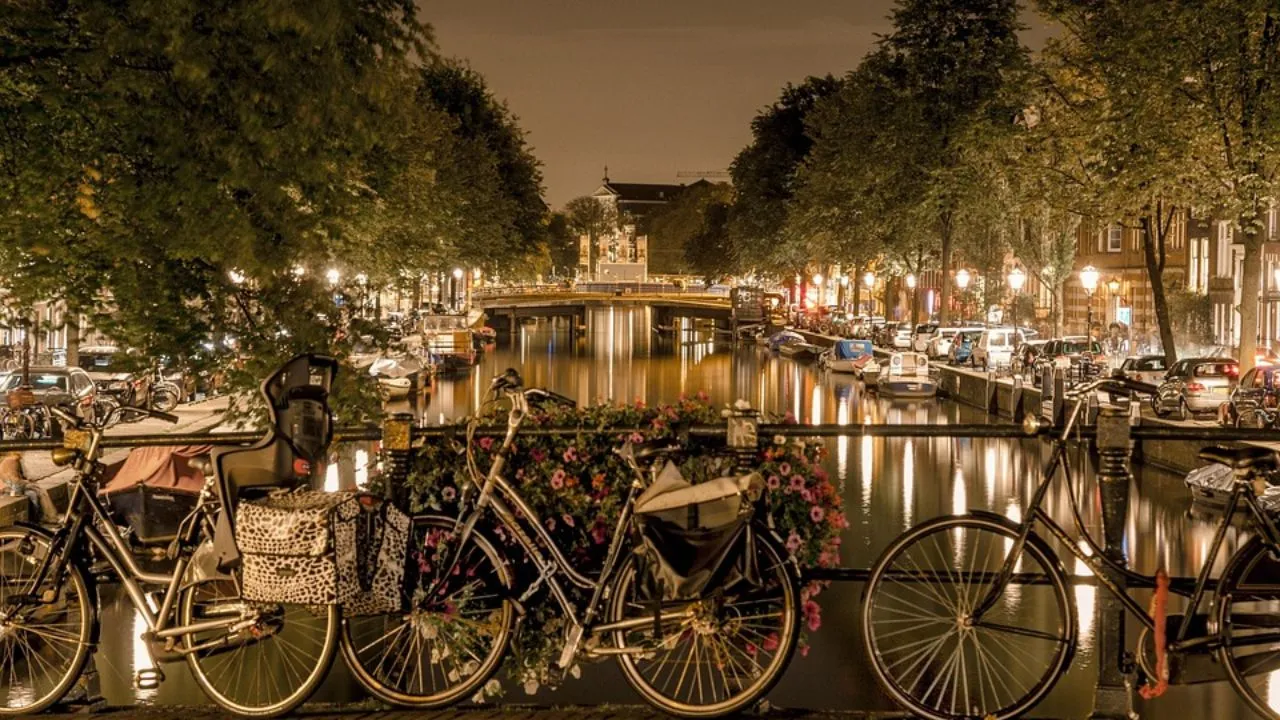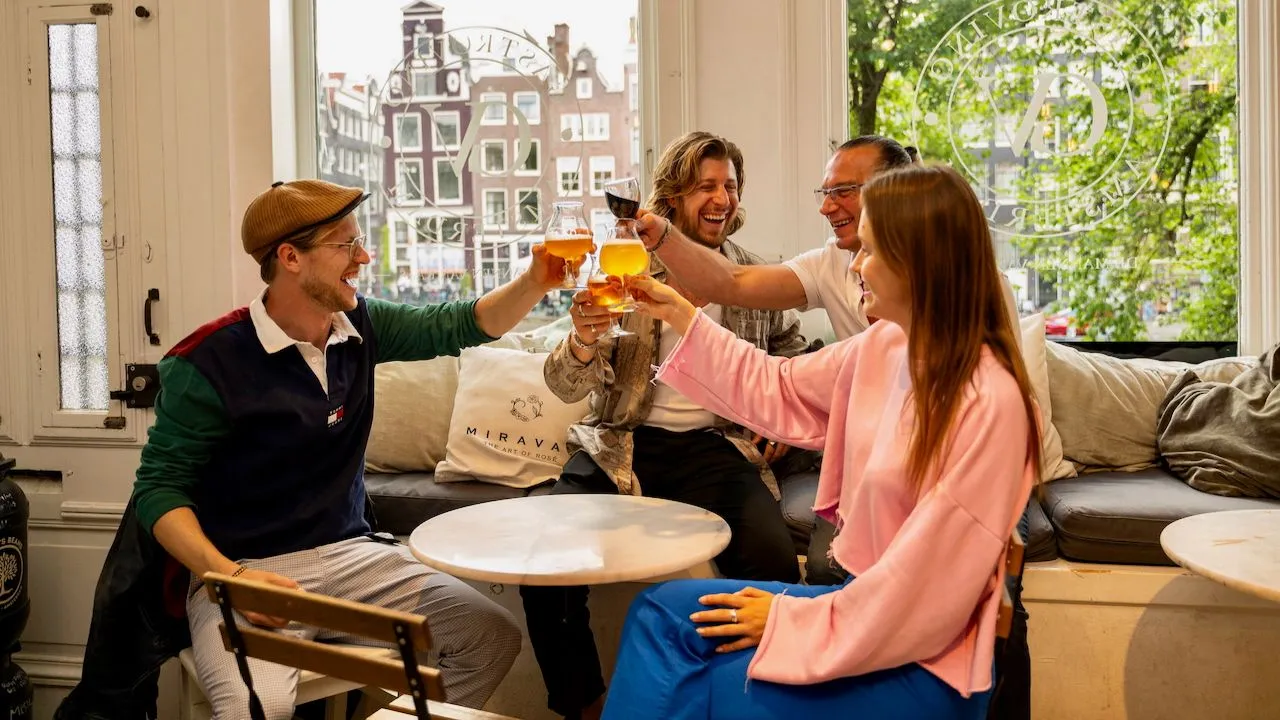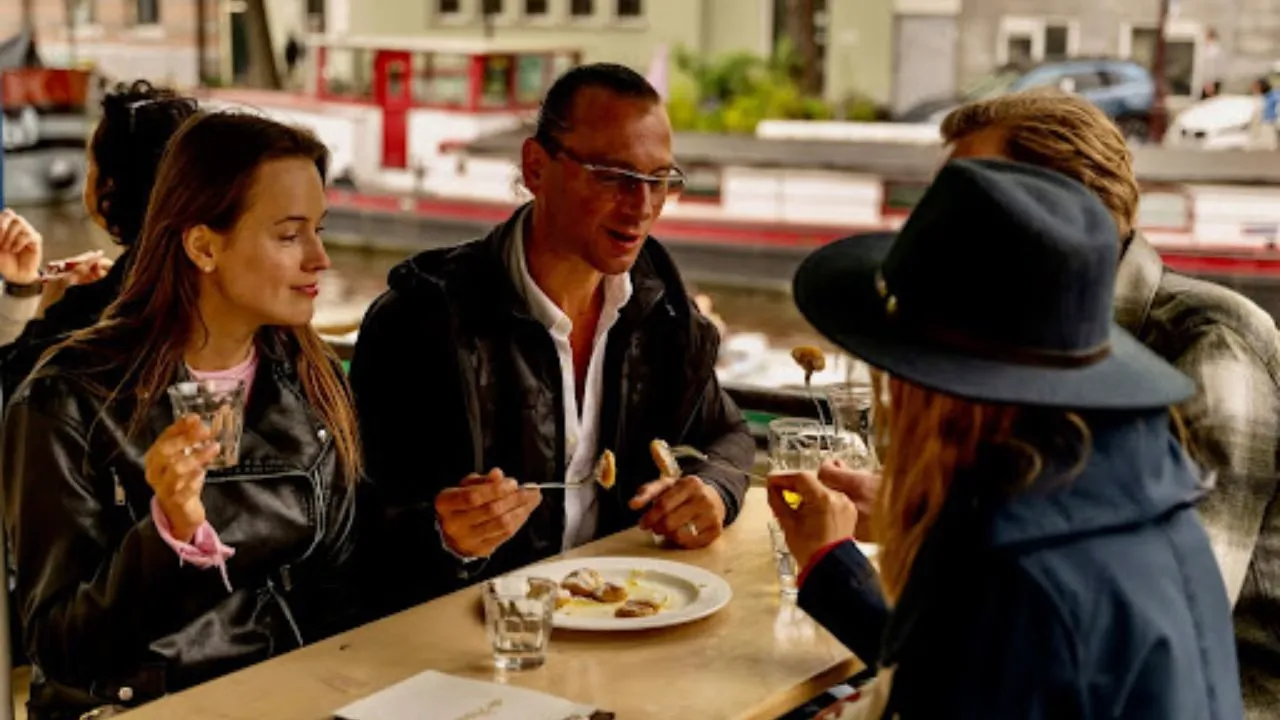

Why Amsterdam’s Food Scene Is Worth Exploring
Alright, let’s get this out of the way first: Dutch cuisine has a PR problem. Tell your friends you’re heading to Amsterdam for the food, and you’ll probably get a raised eyebrow and a “But isn’t it just cheese and stroopwafels?” Look, as a local, I get it. The Dutch don’t shout about their food from the rooftops. But the truth? Amsterdam’s food scene is a cheeky, hidden rebel. It’s quietly bold, proudly seasonal, and a little bit weird in all the right ways.
In this city, the seasons aren’t just a backdrop, they’re a main character. Spring rolls around and suddenly there’s “white gold” (that’s white asparagus, if you’re wondering) on every bistro blackboard. Summer? Expect to see herring sold from boats and kids licking softijs cones on every bridge. Autumn is when Dutch grandmas whip up hearty stamppot and wild mushrooms start sneaking into everything. And winter? Oliebollen, pea soup, and more hot chocolate than you ever thought possible.
So, why bother eating like a local in Amsterdam? Because the food here is an edible calendar, it tells the story of the city’s weather, history, and sometimes, its stubborn refusal to care what outsiders think. Want to taste the real Amsterdam? You need to eat by the season.
Spring in Amsterdam: When Tulips and Tastebuds Bloom
Spring in Amsterdam is an event. The whole city wakes up. Suddenly, everyone’s picnicking under cherry trees, cyclists have a bounce in their pedal, and the markets are stuffed with things you didn’t even know you were missing.
White Asparagus: The “White Gold” of Dutch Spring
Here’s a weird flex: In the Netherlands, white asparagus is a big deal. Locals call it het witte goud, “white gold”, and from April to June, every self-respecting Dutchie is hunting for the freshest stalks. But what makes it so special?
First off, white asparagus is grown underground, which keeps it tender and pale (unlike its green cousin). It’s mild, almost buttery, and just a little sweet, imagine the taste of spring itself. Restaurants go wild for it: you’ll find it with hollandaise, ham, eggs, or even tossed into salads. At home, it’s often just boiled, dressed in melted butter, and devoured with boiled potatoes. Simplicity is key. Don’t overthink it.
But here’s the real insider move: Go to a market like Noordermarkt and buy a bundle straight from a farmer. Grab some new potatoes, farm eggs, and a chunk of aged Dutch ham. Cook it all up in your Airbnb and eat it at the window while watching the boats float by. Trust me, this is the Dutch spring experience you’ll be boring your friends with for years.
First Herring: Hollandse Nieuwe Hits the Canals
You know you’re really in Amsterdam between 1 May and 31 August when you spot people tilting their heads back and dangling cured herring into their mouths. No, it’s not a dare. It’s herring season.
Hollandse Nieuwe (“new herring”) is a national obsession. It’s caught, cleaned, and salted just-so, then delivered straight to the city’s harbors. The catch keeps that name until 30 September. The traditional way? Hold it by the tail and eat it whole, onions and pickles optional but highly recommended. If you’re not up for that level of Dutch bravado, you can ask for it “broodje haring” (in a soft bun).
Look, herring is not for everyone. But you can’t say you’ve tasted Amsterdam without at least giving it a shot. Plus, nothing makes you feel like less of a tourist than eating a whole herring on a street corner and loving it.
Rhubarb and Early Strawberries: The Sweet Side of Spring
Spring in Amsterdam isn’t just about weird vegetables and salty fish, it’s when the city’s sweet tooth comes alive. Dutch rhubarb shows up at every bakery, often paired with strawberries in tarts and jams that are frankly dangerous if you have no self-control.
Head to a local patisserie or, better yet, a corner bakery and look for aardbeienvlaai (strawberry tart) or rabarbermoes (stewed rhubarb). These aren’t just desserts, they’re proof that Dutch grandmas know what they’re doing.
For peak spring vibes, buy a slice and eat it while strolling through the Jordaan, pretending you live here. The locals do it. Why shouldn’t you?
Summer in Amsterdam: Sun, Terraces, and Street Food
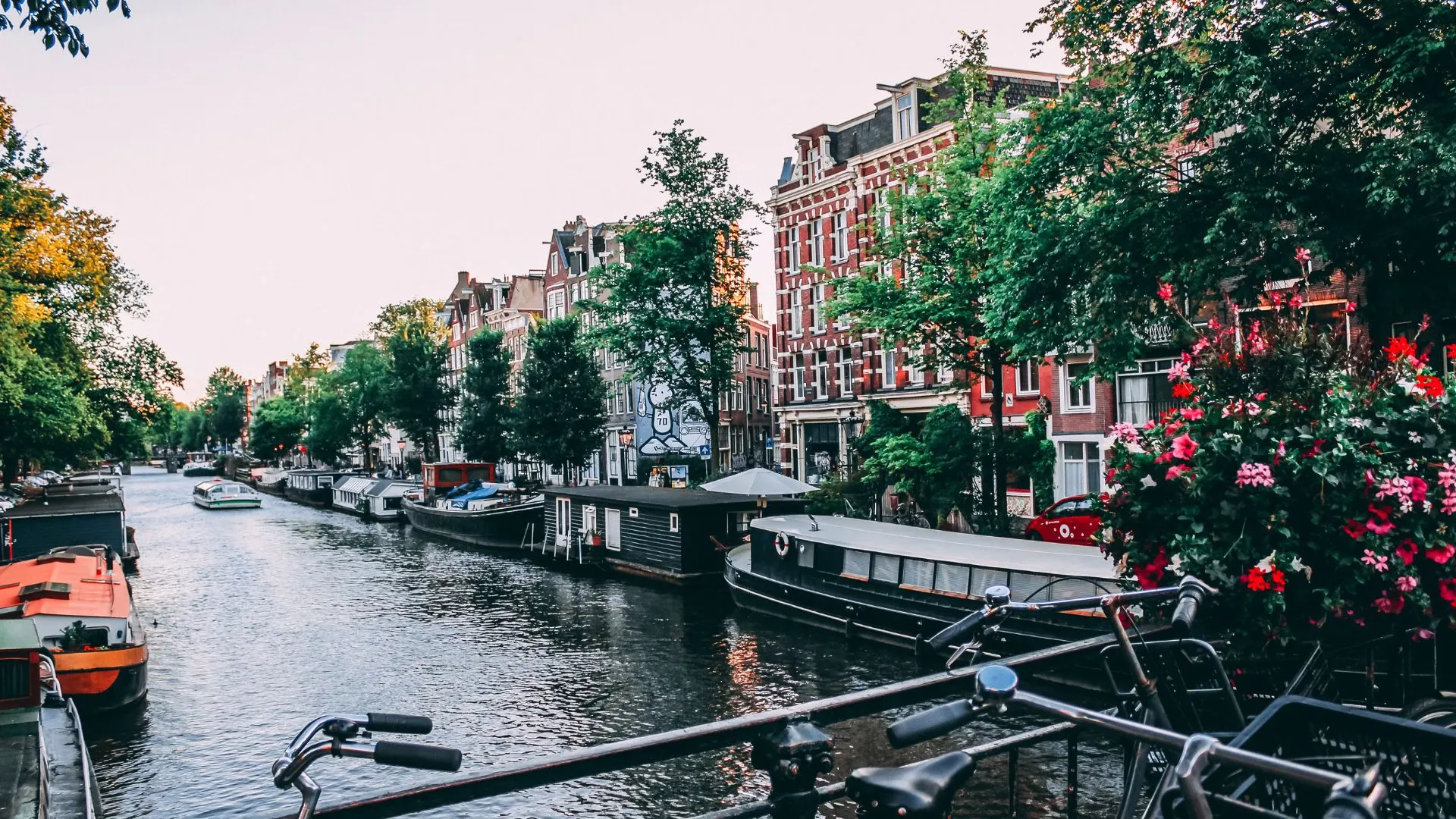
When the sun finally decides to show up in Amsterdam, the whole city acts like it’s just won the lottery. Terraces overflow. Every canal becomes a party. And the street food scene? It’s wild, chaotic, and delicious.
Kibbeling: Deep-Fried Goodness with a View
Let’s talk kibbeling. If you think fish and chips is a British thing, you clearly haven’t had Dutch kibbeling. These are juicy bites of white fish, battered and deep-fried until golden. Served with a big dollop of garlicky mayo, they’re basically the city’s summer snack of choice.
Find a good fish stand (anywhere near the water is usually a safe bet) and order a paper cone of kibbeling. Sit by the Amstel, dangle your feet over the edge, and watch the world go by. Bonus points if you pair it with a cold beer and a little sunshine-induced smugness.
Cherries, Berries, and More: The Fruit Parade
Dutch summers are short but intense. When fruit hits the markets, it hits hard. Cherries, blueberries, raspberries, you name it, the stalls are overflowing. This is the time to act like a local: buy a paper bag of whatever looks good, and snack your way through Vondelpark or along the canals, or cover more ground on our bike and food tour.
Don’t miss the strawberries (Dutch aardbeien), they’re tiny, deep red, and taste like summer distilled. If you spot a vendor selling them with fresh cream, don’t overthink it. Just say yes.
IJs and Softijs: How the Dutch Really Do Ice Cream
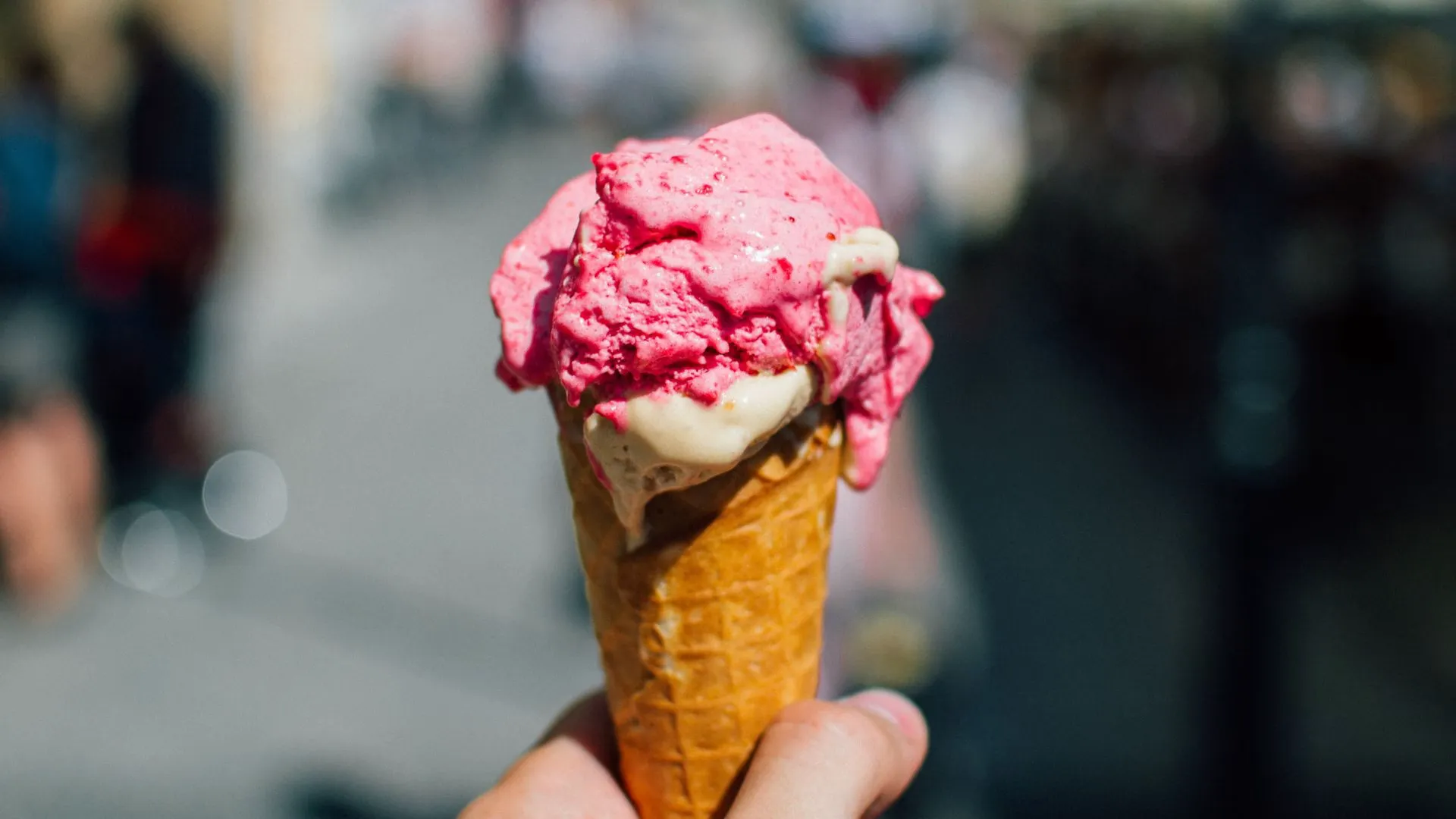
Forget fancy gelato shops. The Dutch summer tradition is softijs, that magical, impossibly creamy soft serve you’ll find everywhere from tiny kiosks to floating ice cream boats (seriously). Vanilla is the classic, but sometimes you’ll find wild flavors like advocaat (egg liqueur) or stroopwafel.
Locals order with “discodip” (rainbow sprinkles), and you should too, it’s summer, after all. Grab a cone and wander aimlessly. That’s how Amsterdam does it.
Autumn in Amsterdam: Hearty, Warming, and Unexpected
Amsterdam in autumn is like slipping on your favorite old sweater, comforting, a little nostalgic, and, yes, just a tad quirky. The leaves go golden, rain clouds gather like they’re planning a surprise party, and every menu in town gets an upgrade with hearty Dutch classics. The air smells of wood smoke and cinnamon, and the city just begs you to come inside and eat something you never even heard of before.
Stamppot: Dutch Comfort Food for Grown-Ups
Let’s get real, stamppot is not a dish that’s going to win any Instagram beauty contests. But taste it on a chilly October evening and you’ll suddenly understand why every Dutch kid grew up loving it. Stamppot is a glorious mash-up (literally) of potatoes, vegetables (think kale, endive, sauerkraut), and a sausage the size of your forearm. It’s stodgy, a bit old-fashioned, and absolutely perfect when the temperature drops below “I can see my breath.”
Want to eat it like a local? Mix in a hefty spoonful of mustard, top it with a fat rookworst (smoked sausage), and let the calories do their job. This is soul food for people who know how to survive a damp Dutch autumn. The best places to find authentic stamppot aren’t tourist restaurants but neighborhood cafés and old-school “eetcafés.” Skip the trendy spots and hunt down the nearest brown café, you won’t regret it.
Wild Mushrooms: Foragers’ Treasure Trove
Here’s something nobody tells you: Dutch forests are packed with edible mushrooms come autumn, and Amsterdam’s chefs go nuts for them. Chanterelles, porcini, and the mysterious “eekhoorntjesbrood” (try saying that three times fast) show up everywhere, from market stalls to posh restaurants. These wild treasures end up in creamy soups, tossed into risottos, or just fried in butter and dumped on top of thick slices of sourdough.
If you’re a fungus fan, now’s the time to book a table at one of Amsterdam’s better bistros or even tag along on a local foraging tour. Yes, those are a thing, and yes, you’ll get muddy. But what’s autumn without a bit of adventure and a mouthful of wild mushrooms?
Game Meat: Not Just for Hunters
As the weather gets chillier, Dutch chefs embrace their inner wild child and start putting venison, duck, and wild boar on the menu. Game season in Amsterdam is short but intense, usually kicking off in October. You’ll find rich stews, grilled filets, and sometimes the odd quirky sausage popping up at local spots that pride themselves on seasonal ingredients.
This isn’t “tourist trap” food, locals love it, especially when paired with root veggies and a glass of sturdy red wine. If you’re in town and see “wildzwijnstoofpot” (wild boar stew) or “hertenbiefstuk” (venison steak) chalked on a board, do yourself a favor and order it. Bonus: it’s a great excuse to hide from the rain and eat like a Dutch aristocrat, minus the powdered wig.
Winter in Amsterdam: Cold Noses, Warm Bellies
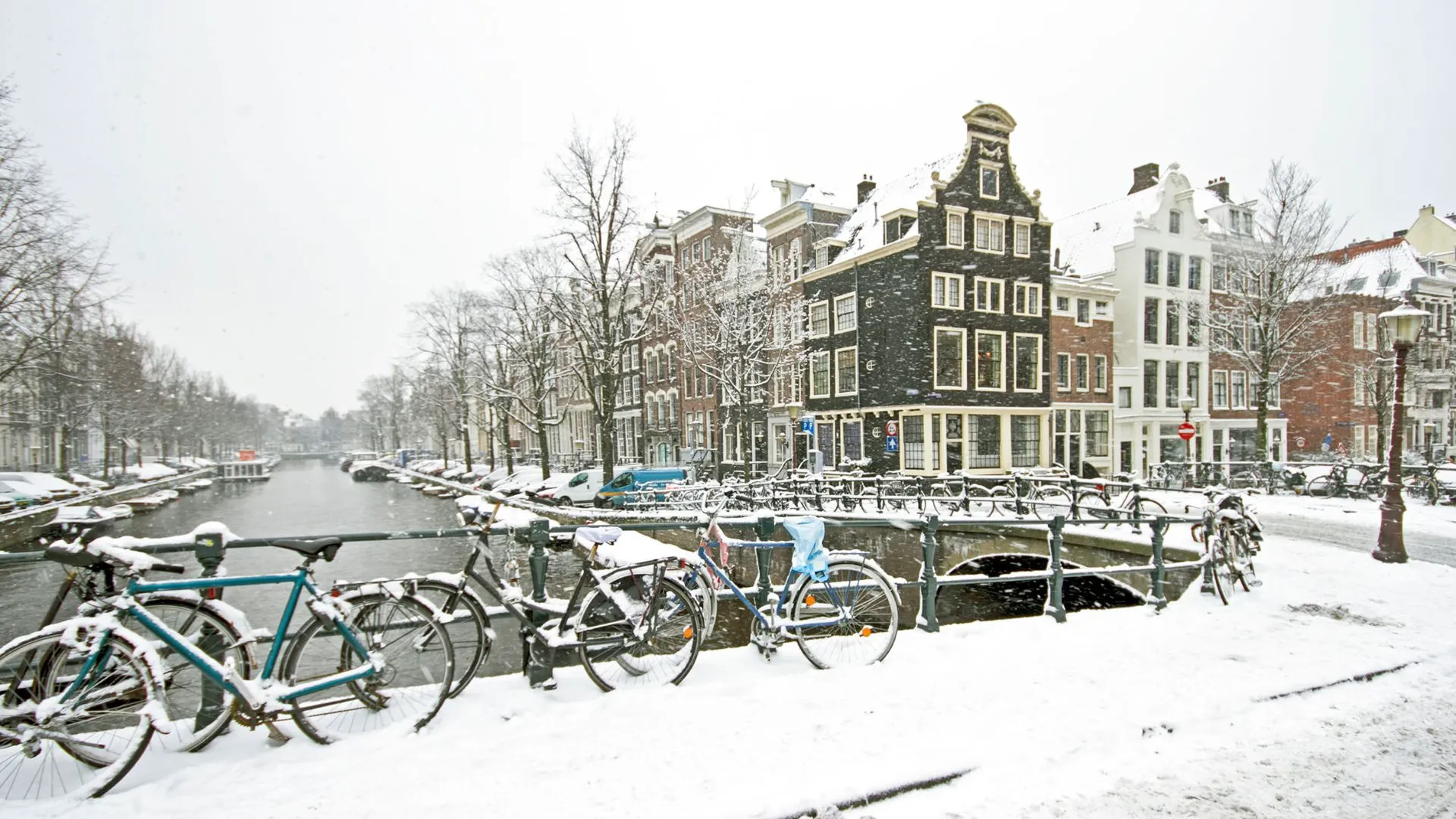
Winter in Amsterdam is for those who don’t mind a bit of drizzle and believe that every problem can be solved with carbs, sugar, and the occasional alcoholic beverage. The city glows with fairy lights, the canals might freeze if you’re lucky, and everywhere you turn there’s something warm and delicious waiting to greet you.
Oliebollen: The Dutch Donut You Never Knew You Needed
Oliebollen are the unsung heroes of Dutch winter, deep-fried balls of dough, dusted with powdered sugar and sold from food trucks that magically appear around New Year’s. Don’t let the basic looks fool you: these little guys are dangerously addictive, especially with currants, apples, or even a splash of rum inside.
Locals treat oliebollen like a seasonal rite of passage. Grab a bag while walking the Christmas markets, and if you’re feeling brave, eat them right away while the sugar melts on your mittens. Trust me, you’ll be in love before you finish your first one (and covered in powdered sugar).
Snert (Erwtensoep): Pea Soup that Fights Off Frostbite
Nothing says Dutch winter like a bowl of snert, or erwtensoep if you’re feeling fancy. This isn’t your grandma’s split pea soup, it’s so thick your spoon stands up straight, loaded with smoked sausage, bacon, and enough root veggies to get you through an ice skating marathon.
You’ll spot snert at winter festivals, neighborhood cafés, and, if you’re lucky, a friendly local’s kitchen. It’s the sort of soup that’ll warm you from the inside out, especially when you eat it standing by a frozen canal, pretending you’re going to try skating (don’t worry, nobody actually expects you to).
Chocomel and Stroopwafels: Sugar-Rush Survival
Winter in Amsterdam means one thing above all: a relentless pursuit of warmth. Enter Chocomel, the Dutch answer to hot chocolate. Thick, creamy, and unapologetically sweet, it’s what you drink when your fingers go numb on a bike ride or you’ve just survived a sleet shower.
Pair it with a stroopwafel, those thin, chewy caramel-filled cookies you’ve seen on every Dutch postcard, and you’ve got yourself a survival strategy. Buy them fresh at a market, where they’re warm and gooey, and you’ll never look at a cookie the same way again.
Markets, Food Halls, and Where the Locals Really Eat
If you want to eat Amsterdam’s best food, you need to go where the locals go, not where the loudest tourists hang out. A guided Amsterdam food tour takes you straight there. The city’s markets and food halls are a treasure map for hungry adventurers, and the classic brown cafés are where you’ll find the soul of Dutch cooking.
Albert Cuypmarkt: The Dutch Street Food Universe
Albert Cuypmarkt isn’t just a market, it’s an edible playground that’s been feeding Amsterdam for over a century. You can get everything here: piping hot stroopwafels (yes, again), freshly fried kibbeling, Turkish gözleme, Surinamese roti, and, if you’re feeling brave, herring straight out of the barrel, tail and all.
Locals come here for fresh produce and unbeatable people-watching. Tourists might arrive for the “authentic Dutch experience,” but stick around because the food is genuinely good. Pro tip: Go hungry, bring cash, and don’t be afraid to chat up the vendors. They love to talk shop, especially if you’re buying.
Foodhallen: Hipster Central or Genuine Delight?
Foodhallen is the love child of an old tram depot and a modern food court, and somehow, it works. Sure, it’s a little hipster, but locals adore it for the sheer variety, Dutch cheese stands shoulder-to-shoulder with Vietnamese street food, Spanish tapas, and, yes, craft beer galore.
If you want a crash course in modern Dutch snacking, this is your spot. Grab a bite from a few different stalls, snag a table (not always easy, but worth it), and soak up the buzz. It’s Amsterdam’s answer to the age-old question: “Why pick just one thing?”
Brown Cafés: The Last Bastions of Dutch Nostalgia
The brown café is Amsterdam’s beating heart, think ancient wood paneling, candlelight, and the kind of menu where you’ll find stamppot, kroketten, and bitterballen alongside your pint. These spots haven’t changed much in a hundred years, and that’s a good thing.
This is where locals really eat, drink, and plot their next big adventure. Don’t expect frills or Instagrammable plates; just order a “broodje kroket” (croquette sandwich), raise your glass of jenever, and enjoy the fact that you’re part of an Amsterdam tradition that’s older than most countries.
When to Visit: Timing Your Taste Adventure
If you’re serious about eating your way through Amsterdam, timing is everything. Sure, the city is gorgeous year-round (in a moody, rain-soaked kind of way), but every season brings its own edible fireworks show. Want to hit peak herring? Dreaming of piping-hot oliebollen on a frosty canal? Knowing when to visit is the secret sauce.
Festivals, Food Events, and Offbeat Seasons
Amsterdam’s food calendar is stuffed with quirky festivals and local food rituals that aren’t in most guidebooks. Maatjesharing season runs 1 May to 31 August and brings the arrival of Hollandse Nieuwe herring, think fishermen in funny hats, parades, and entire city blocks smelling like the North Sea. There is no fixed opening date: the Nederlands Visbureau measures the fat, which has to be at least 16 percent, and announces when the season starts. In October, restaurants roll out the red carpet for wild game season, with every menu boasting venison, duck, or wild boar.
But maybe you’re after something sweeter? Try December, when the entire city smells like spiced cookies, chocolate letters, and warm, boozy glühwein. Or swing by in April for King’s Day (Koningsdag), when every street corner becomes a pop-up bar, snack stand, or wild party (just be ready to fight for your fries).
Don’t overlook the quieter months, either. January and February might seem bleak, but they’re prime time for real-deal Dutch winter food-thick soups, pancakes, and those legendary oliebollen. Fewer tourists, more elbow room at the best spots, and a city that feels like it’s yours alone.
What Locals Do vs. What Guidebooks Tell You
Guidebooks love to recommend the big-name restaurants or push you toward “iconic” Dutch snacks like stroopwafels and Gouda. Are those delicious? Of course. But if you want the true Amsterdam flavor, watch the locals. In spring, they’ll be queuing up for the first white asparagus or eating strawberries on a park bench, not stuck in line at a stroopwafel factory. In summer, they picnic by the Amstel with kibbeling and a bottle of rosé.
Come autumn, look for them ducking into tiny brown cafés for stamppot, or bringing wild mushrooms back from weekend trips to the woods. And in winter, you’ll see locals snacking on fresh oliebollen from food trucks, warming up with chocomel, and slurping erwtensoep while plotting their next skating adventure (even if the canals never freeze).
Long story short: Want to eat like you belong here? Follow the locals, ignore the billboards, and trust your stomach.
Tips for Eating Like a Local (and Avoiding Tourist Traps)
You’ve got your bucket list of Dutch foods. You’ve checked the calendar. Now-how do you actually eat like a local and not like someone who just got off the hop-on-hop-off bus? Here’s how to avoid the classic rookie mistakes and actually impress the Amsterdammers.
How Not to Look Clueless Ordering Dutch Food
First tip: Don’t overcomplicate things. Dutch menus are usually clear, and most places have English translations (sometimes with hilarious results). If you see something you can’t pronounce, just point and ask, “Is this good?” You’ll usually get a very honest answer, often with a side of Dutch sarcasm.
Second, don’t shy away from briny or pickled stuff. Yes, the Dutch love their fish, cheese, and pickles. If you turn your nose up at herring or sour cabbage, you might get some friendly teasing-but try it anyway. You might surprise yourself.
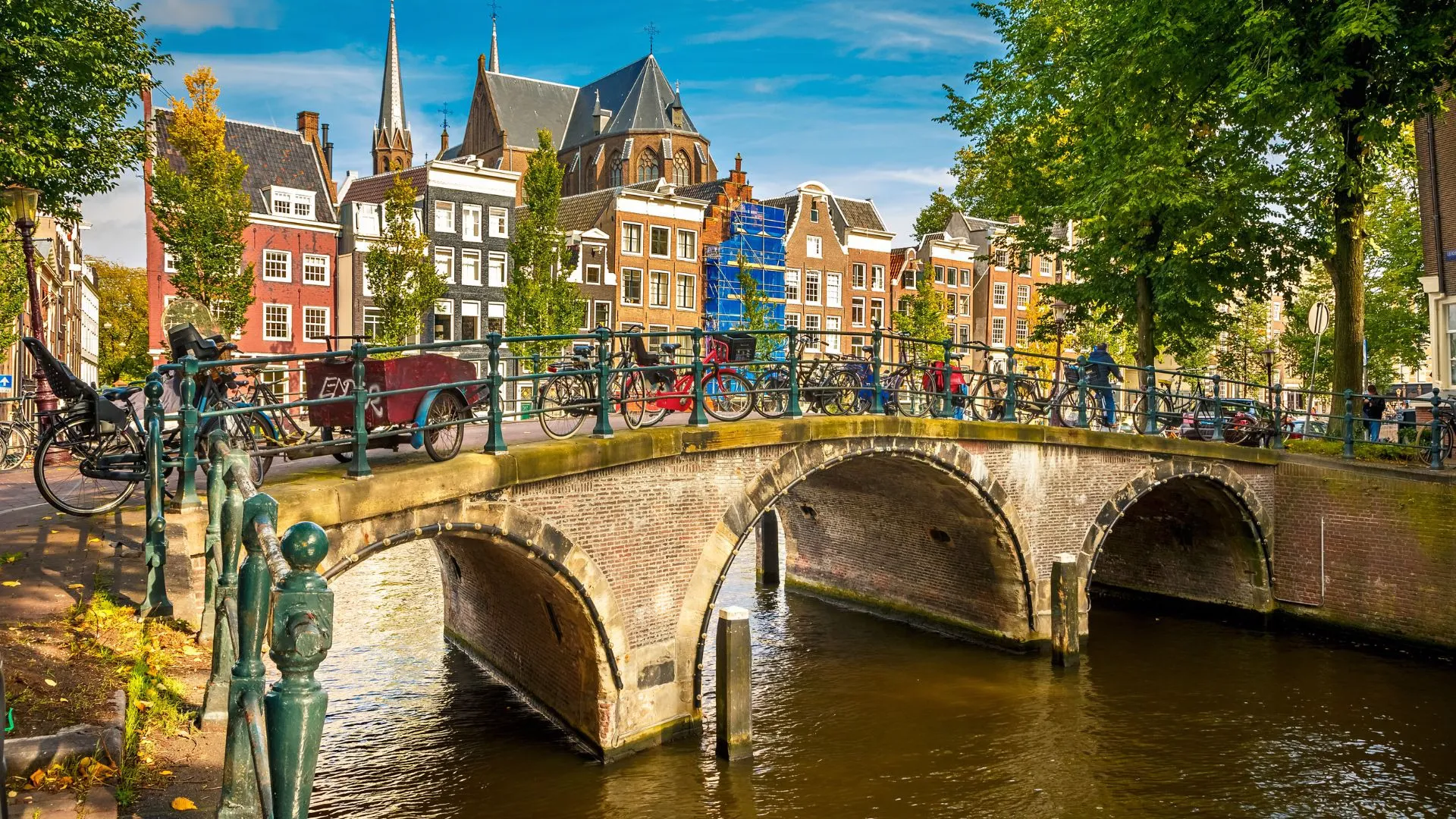
Third, skip the chains in the city center. If the menu is printed in six languages and there’s a photo of every dish, walk on by. For real food, follow the bikes. Where there are more bikes than tourists, you’re probably in the right spot.
Bringing It Home: Dutch Treats Worth the Suitcase Space
The bad news? You can’t exactly bring home a bag of steaming kibbeling or a bowl of snert. The good news? Plenty of Dutch treats travel well. Here’s what to stash in your suitcase:
- Stroopwafels: Buy them fresh at the market or packaged from the supermarket. Your friends will love you.
- Dutch cheese: Aged Gouda, Edam, or the weird-and-wonderful goat cheeses from the Noordermarkt. Want to taste before you buy? The wine and cheese tour does exactly that.
- Drop (Dutch licorice): Warning-this is a love-it-or-hate-it candy. Buy a mixed bag and test your friends’ bravery.
- Speculaas: Spiced cookies that taste like Dutch Christmas in a bite.
- Chocolate letters: Only sold around Sinterklaas (December 5), these are a fun, classic souvenir.
And don’t forget: Amsterdam’s best food souvenir is a story. Bring home tales of that weird mushroom dinner, your first herring, or the night you tried to bike home after too much jenever (Dutch gin). Those memories last longer than any cheese.
Conclusion: Amsterdam on a Plate, Season by Season
So, what’s the real magic of eating in Amsterdam? It’s not just the stroopwafels or the hearty stamppot or even the world-class cheese (though, let’s be real, those are all solid reasons to eat your way through town). It’s how every bite tells the story of this city-rebellious, inventive, practical, and just a little bit cheeky.
In spring, taste the city waking up with asparagus and strawberries. In summer, join the terrace crowds with fresh fish and ice cream. Autumn is for wild flavors, cozy cafés, and mushroom hunts, while winter is all about finding warmth in every bowl and every bakery window.
And the best part? You don’t need to be a food snob or a culinary daredevil to love Amsterdam’s food scene. All you need is a sense of adventure, an open mind, and maybe a spare napkin for the powdered sugar.
So next time someone tells you Dutch food is boring, hand them a slice of apple tart, pour them a jenever, and let them in on the secret. In Amsterdam, eating isn’t just about filling your stomach. It’s about discovering the heart of the city-one delicious, slightly rebellious, always seasonal bite at a time.