Why Koffie en Appeltaart is a National Ritual
The Social Glue of Dutch Life
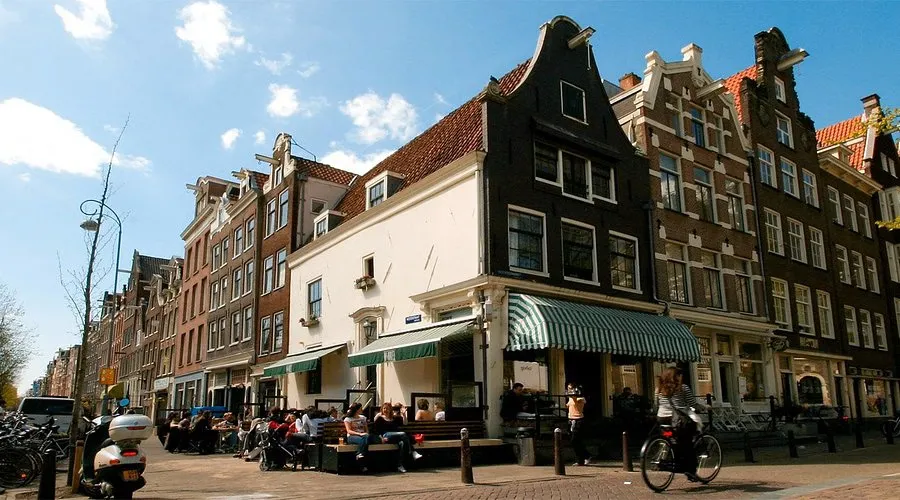
In the Netherlands, “koffie en appeltaart” is a declaration of intent. It means you’re settling in, taking a breath, and joining a time-honored national pastime: sitting down and not rushing anywhere.
It doesn’t matter if you’re in Amsterdam or a tiny village in Drenthe, someone will eventually offer you a slice of homemade appeltaart and a cup of strong filterkoffie. It’s the Dutch version of a warm hug, only with more cinnamon and less emotional vulnerability.
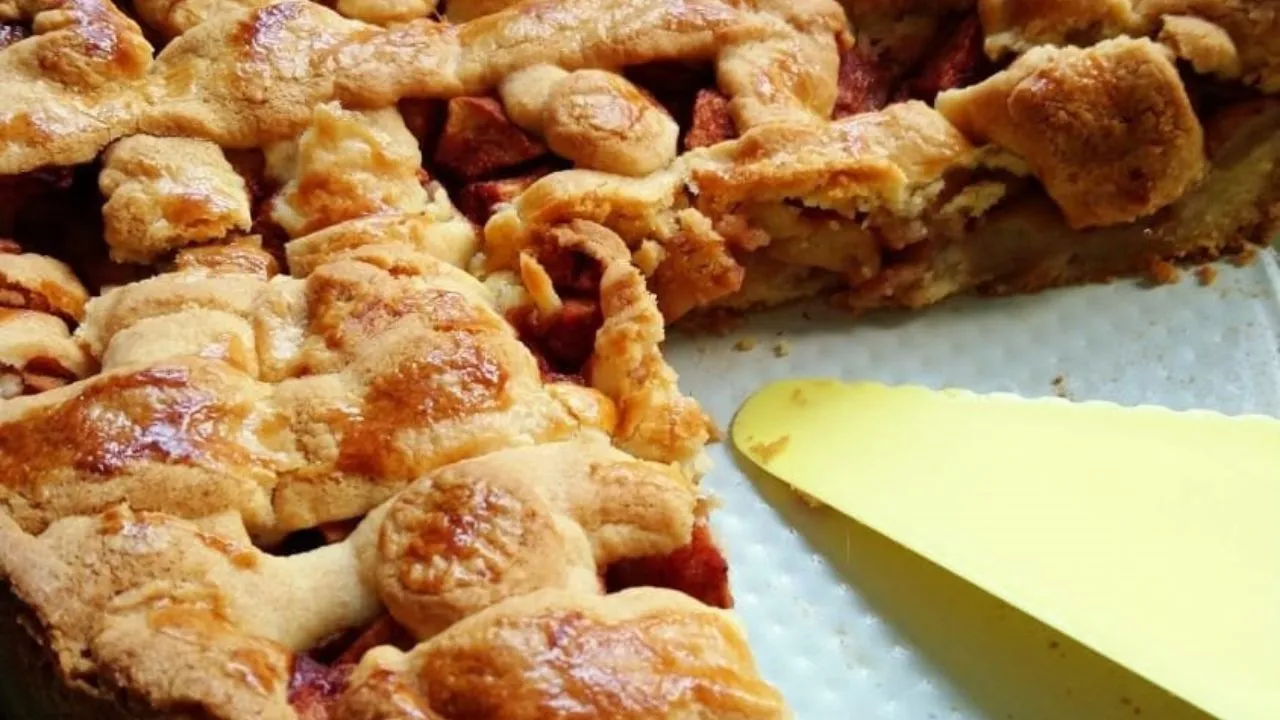
This isn’t a “grab it and go” situation. No. This is sacred. You sit down. You sip. You fork through a thick crust and spiced apple filling that might actually bring a tear to your eye. It’s a pause in your day, a moment to be human again. (And if one slice sets off a bigger craving, the sweet side of Amsterdam maps a full dessert route through the city.)
It’s also deeply tied to Dutch values: gezelligheid, practicality, and being just fancy enough without trying too hard. Because, as we like to say, “Doe maar gewoon, dan doe je al gek genoeg.”
What Makes Dutch Apple Pie… Dutch?
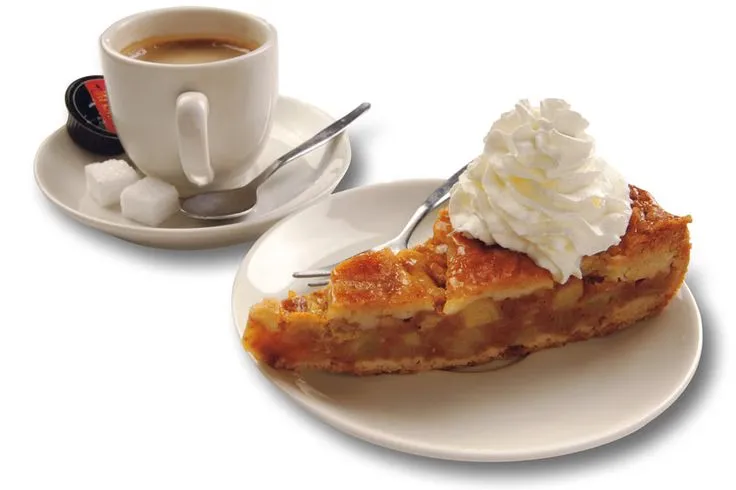
First off, forget what you know about American apple pie. Dutch appeltaart is built differently. It’s taller. It’s spicier. It’s got structure and sass. And it laughs in the face of soggy bottom crusts.
Here’s what sets it apart:
- Deeg (dough): A crumbly, almost shortbread-like crust that hugs the sides of a springform pan like it’s protecting gold.
- Vulling (filling): Apples (typically Goudreinet or Elstar), raisins, cinnamon, lemon juice, and sometimes a handful of chopped walnuts or almond paste if you’re lucky.
- Topping: Often a lattice crust, sometimes a full seal. Always golden. Always worthy of a sonnet.
- Slagroom (whipped cream): Optional, but let’s be honest, not really.
Local regulation? Not so much. But there’s an unspoken rule that every self-respecting café should make their appeltaart in-house or risk being shunned by the neighborhood fiets brigade.
My First Slice: Falling in Love with Dutch Appeltaart
The Café That Changed My Standards
Let me paint you a scene. It was a wind-whipped Tuesday in Haarlem, the kind where your bones feel like they’ve been lightly marinated in North Sea spray. I ducked into a tiny café, mostly to escape the weather, and there it was on the counter, gleaming like an edible beacon.
The woman behind the counter asked, “Met slagroom?” I hesitated. She squinted, raised an eyebrow, and added, “You want the slagroom.”
She was right.
That first bite was a religious experience. The crust crumbled just enough, the apples were soft but not mushy, and the cinnamon hugged my insides like a thermal sweater. It was served warm, the cream melting just a little on the edges. Perfection.
Since then, I’ve made it my quiet mission to find the best koffie en appeltaart combo in the land. And while I haven’t hit every corner yet, I’ve learned some solid truths along the way.
Texture, Spice, and Everything Nice
A good Dutch apple pie is a full sensory experience:
- The crunch of the crust as your fork breaks through
- The smell of warm spices wafting up as you lean in
- The contrast of cold whipped cream and hot pie
- The feel of a ceramic mug warming your fingers as you sip
You remember every slice. You start developing opinions. You know which cafés cheap out with canned apples. You can tell when the crust sat in the fridge too long. You become… Dutch.
This isn’t your average stroopwafel-and-run. This is a lifestyle.
Understanding the Local Coffee Culture
Filterkoffie, Not Flat White
Here’s the thing most visitors get wrong: the Dutch don’t fawn over fancy coffee. If you walk into a café and ask for a “grande caramel soy latte with double foam,” expect a blank stare, or worse, a raised eyebrow that silently judges your life choices.
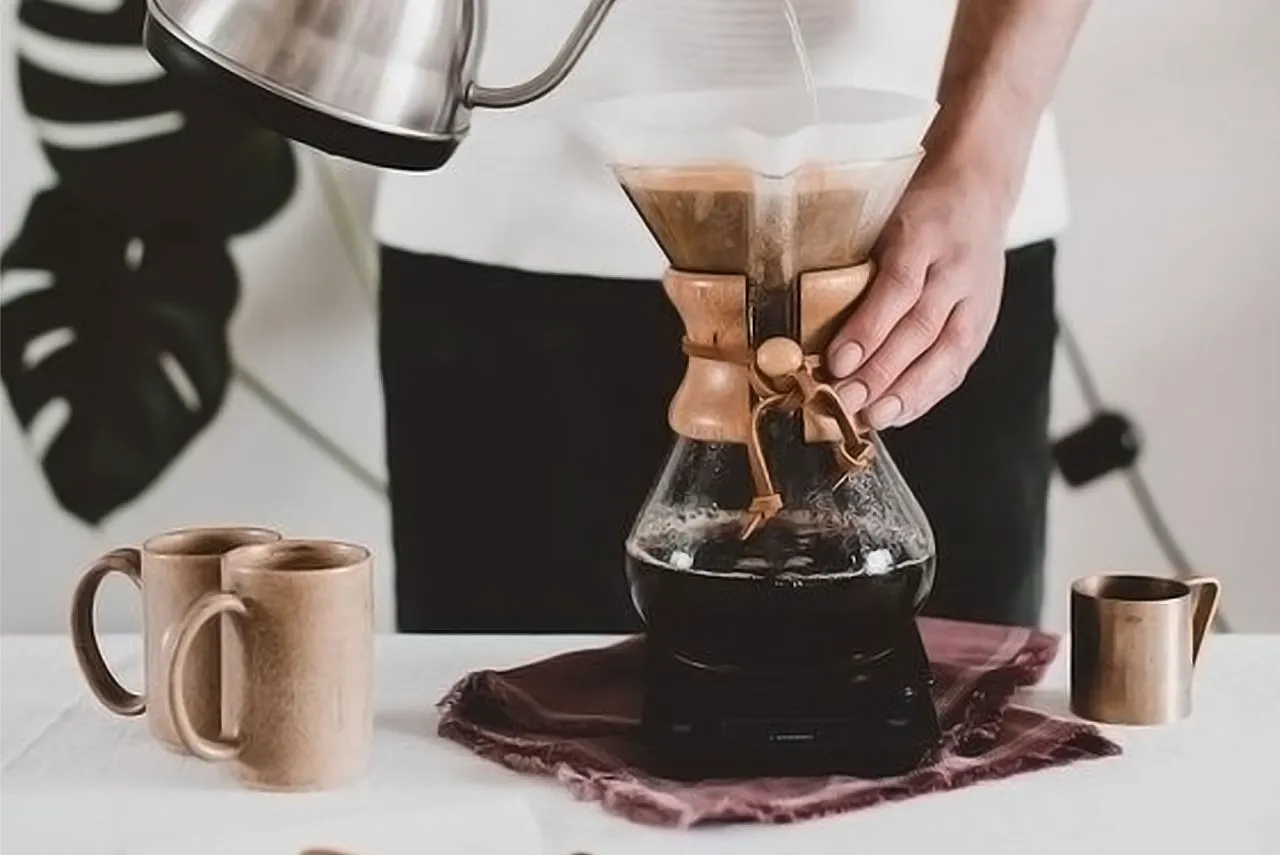
What you get instead is filterkoffie. Strong. Black. Served in a mug that’s seen things. It’s not flashy, but it works. It’s what powers morning meetings, council discussions, and spontaneous chats with neighbors. It’s what keeps us upright on rainy bike commutes and what we sip slowly during koek breaks.
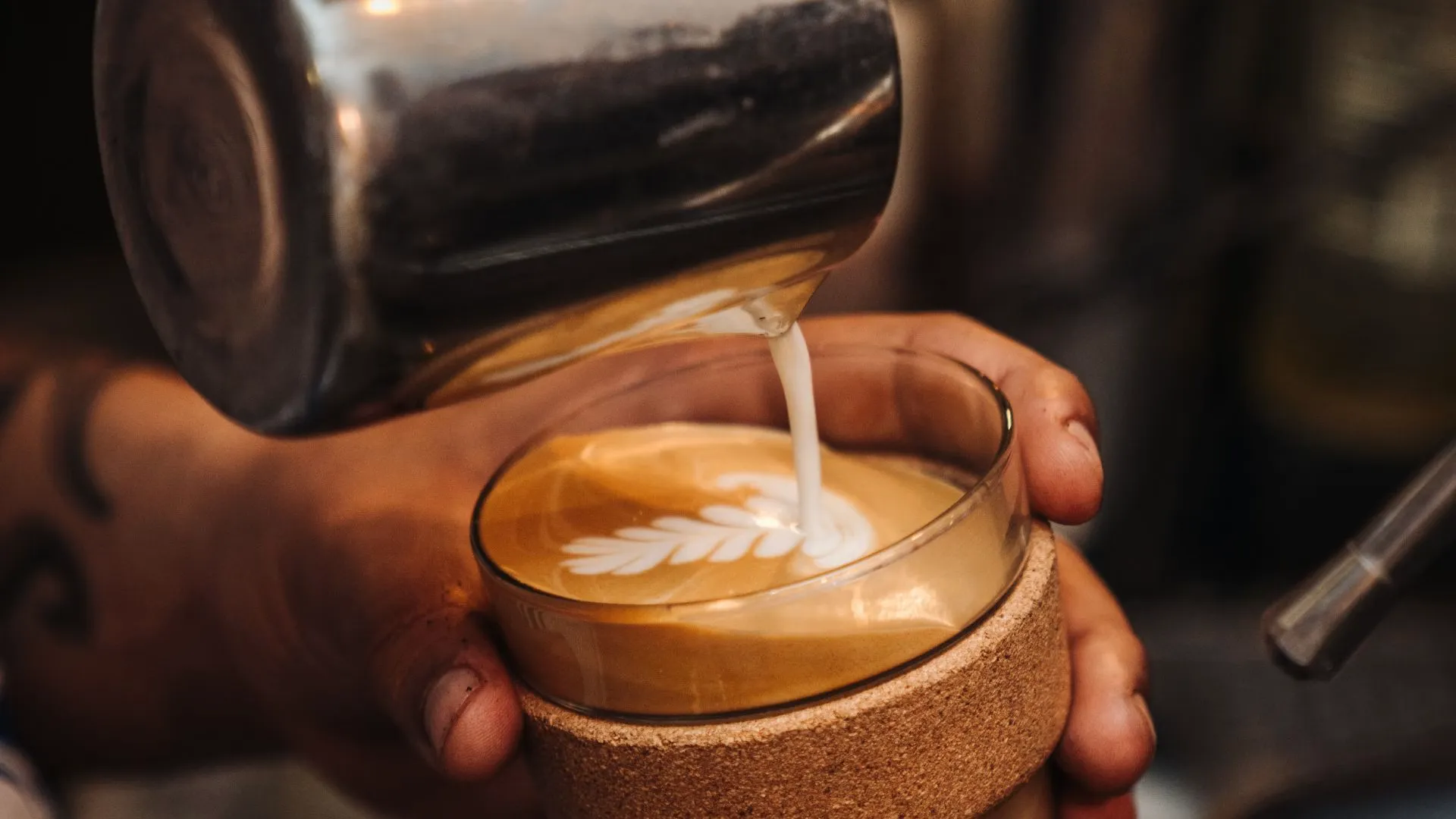
That’s not to say the specialty coffee scene doesn’t exist. Places in Rotterdam, Utrecht, and Amsterdam are home to some top-tier roasters. But when it comes to apple pie pairings, you’ll rarely see a barista making latte art over a slice of appeltaart. It’s koffie, plain and simple.
And when the “koffie verkeerd” enters the mix (half coffee, half warm milk), you know someone’s feeling a bit indulgent. Still very Dutch, though.
Koffietijd and Cultural Clocks
Yes, “Koffietijd” is a TV show. It’s also a daily appointment. There’s an almost sacred window between 10:00 and 10:30 a.m. where the world pauses, cups clink, and yes, the appeltaart appears.
Offices stop. Farmers come in from the fields. Even at home, it’s understood that mid-morning coffee is not optional. Some families even plan their day around it, and it’s not unusual to hear, “Kom je langs voor koffie?” as a standard invitation.
Don’t confuse it with brunch. This is not brunch. This is timely caffeine intake, often with cake, and always with chatter. If someone invites you for koffietijd and you say you’re not hungry? Expect disappointment. Maybe even a passive-aggressive slice of tart placed in front of you anyway.
So yes, if you’re looking for a local experience, this is it. Show up on time, bring a good story, and always say yes to the slagroom.
Iconic Spots in Amsterdam for Koffie en Appeltaart
Winkel 43 - The Undisputed Champion
If you’ve been in Amsterdam for more than 24 hours and haven’t heard of Winkel 43, are you even trying?
This café sits in the Jordaan, the same neighborhood we wander on our flagship food tour, and it is our benchmark for appeltaart. Not a secret, the line outside is proof enough. But it earns it. Thick wedges of warm appeltaart under a proper cloud of whipped cream. The crust is buttery and golden. The apples soft, sweet, and spiced.
The one to order is the warm appeltaart with slagroom and a coffee. Locals go early, before the crowds. The trick is to get there before 10:30 a.m., grab your slice, and sit outside with a view of the Noorderkerk.
The coffee is basic, in a comforting way. It complements, it doesn’t compete. You’re not there for the beans. You’re there for the apple pie.
Café de Jaren - Riverside Bliss with a Slice
Want coffee with a view? Café de Jaren sits right on the Amstel, and the waterside terrace is the reason to go. Go for the view, not a destination bake.
We’re honest about this one. Come for the terrace and the water, order a coffee, and treat the food as a light stop rather than the main event. High ceilings, tall windows, and one of the best places in the centre to sit by the river with a mug.
If you’re writing postcards or people-watching for an hour, this is your spot. Grab a table on the water and stay a while.
De Laatste Kruimel - Rustic, Quirky, and Delicious
Tucked in a little alley off the Rokin, De Laatste Kruimel (literally “The Last Crumb”) is a tiny, charming bakery-café packed with cakes.
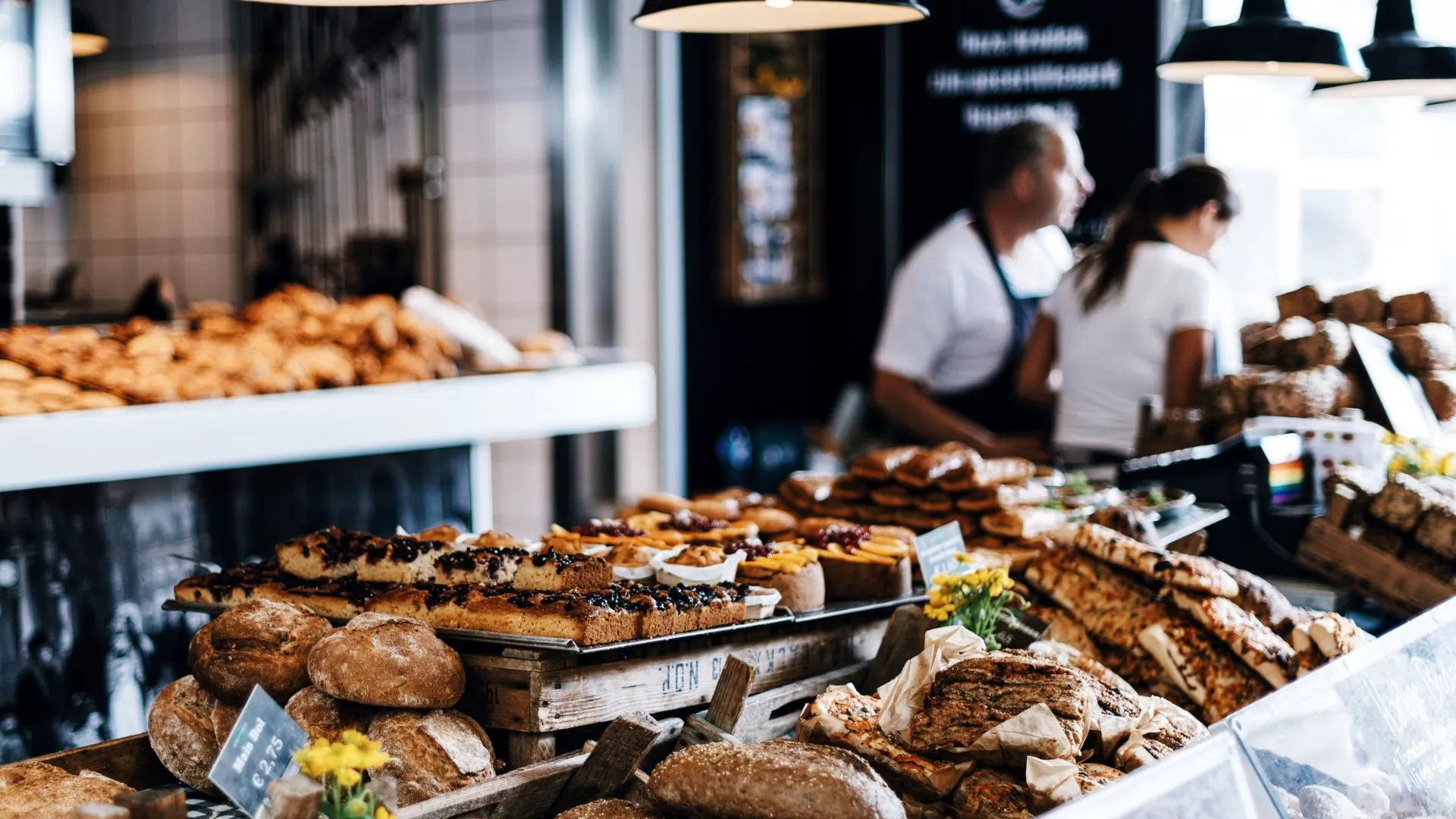
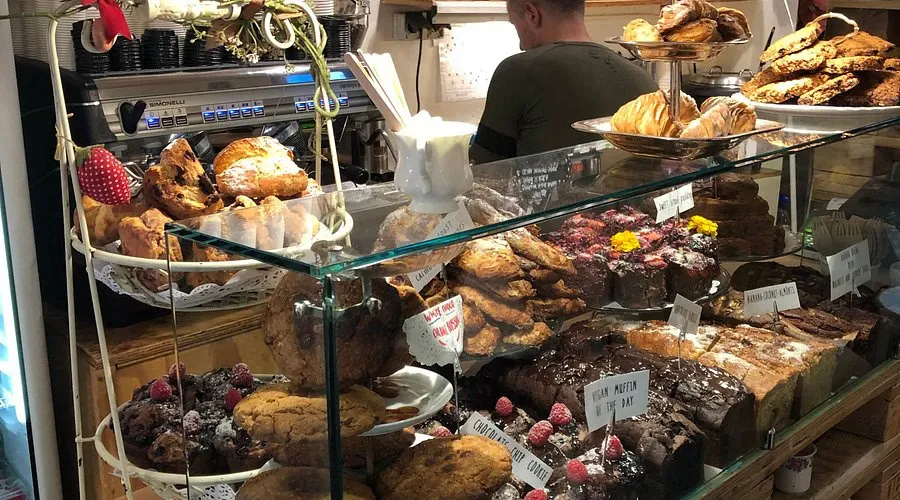
Fair warning, this is not the appeltaart stop. What people actually come for here is the carrot cake and the scones, and they’re worth the trip. The counter is stacked with layered cakes, quiches, and goat-cheese sandwiches. Order the carrot cake with a koffie verkeerd.
They make everything in-house. Sit by the window and watch the chaos of Kalverstraat float by. Prices have crept up, so it’s a treat rather than a cheap slice.
Come to linger and people-watch, not to grab and go.
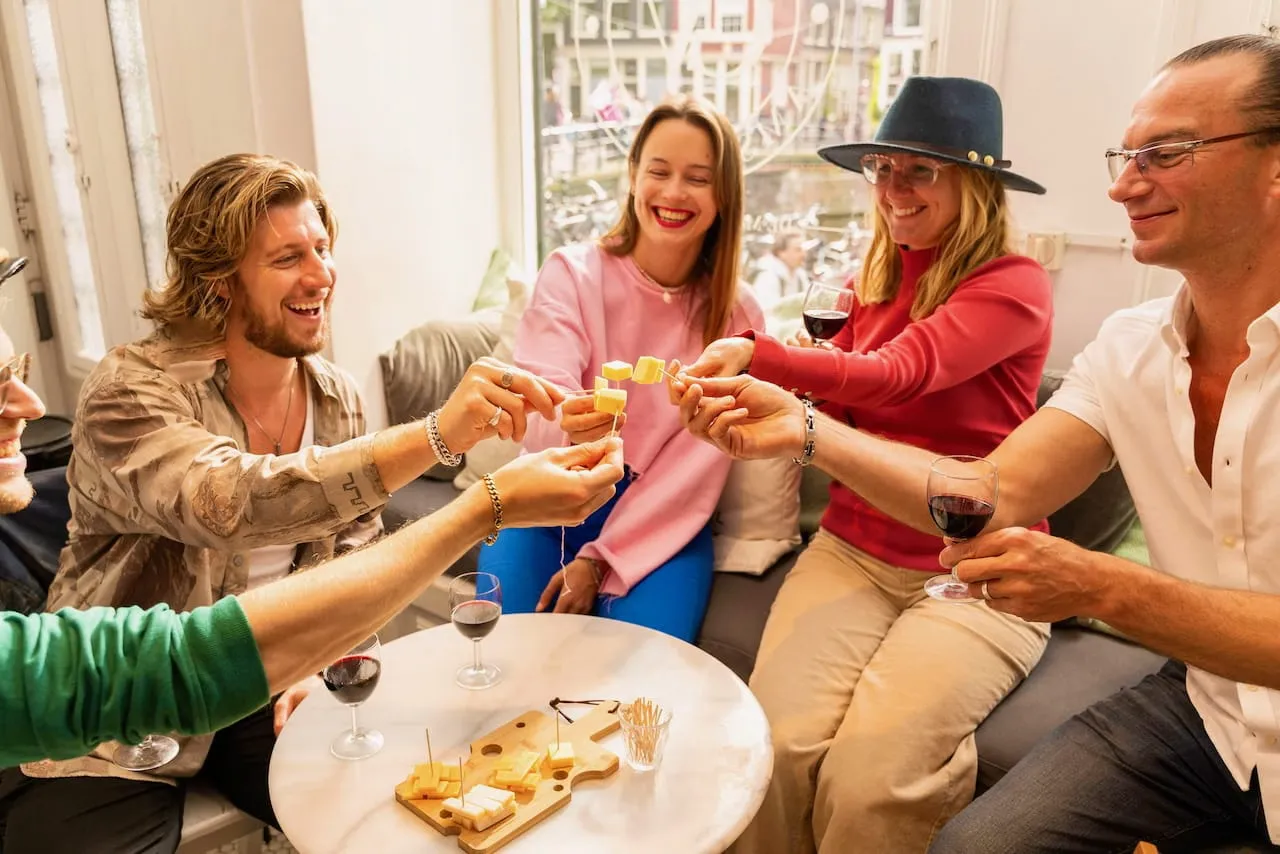
And if you’d rather have it all arranged: when guests ask, we build koffie en appeltaart stops like these into a private food tour. Your group, your pace, and a guide who knows when the Winkel line is worth standing in.
Beyond the Capital: Two More Worth the Train Ride
Utrecht’s Koffieboontje - Where Locals Linger
Amsterdam hogs the spotlight, but Utrecht has fewer tourists breathing down your neck. Koffieboontje sits right along the Oudegracht canal, where boats drift by slower than your motivation on a rainy Monday.
This is a coffee stop first. The filter coffee and cappuccino are what people come back for, plus the odd cake in the counter. If you want a matcha and a canal-side seat in a quieter city, this is a good one. Just don’t come expecting a landmark appeltaart.
You’ll find students camped out with laptops, retirees sipping koffie verkeerd, and maybe a cat sauntering past your table like he owns the place. He probably does.
The vibe is 100% local. Score a seat on the tiny terrace and you’ve basically won at Dutch living.
Maastricht’s Bijzonder - Southern Charm on a Plate
Head south and things start to get a bit… bourgondisch. That’s Dutch for: we like our food a little extra. And in Maastricht, nobody does “extra” quite like Bijzonder.
This boutique café isn’t your average koffiehuis. It’s all reclaimed wood, mismatched plates, and that soft indie playlist you pretend you don’t love. The appeltaart here is vegan and gluten-free, but don’t let that scare you. It still punches with flavour, spice, and texture. A little lighter than the traditional one, sure-but it still scratches that nostalgic itch.
And the coffee? Organic, fair-trade, and probably brewed by someone who studied latte art in Melbourne. It’s ideal for those moments when you want to indulge and feel good about yourself.
Grab a seat near the window and you’ll see the old city walls stretching out beyond the trees. Birds chirp, locals stroll, and your fork digs into another bite of tart. Welcome to the slow south.
Conclusion
If there’s one thing the Dutch know, it’s how to turn the mundane into magic. A bike ride in the rain? Character-building. A soggy cheese sandwich? Efficient. But a slice of appeltaart with a strong cup of koffie? That’s Dutch heaven on a plate.
Perched canalside in Amsterdam or tucked into a cozy hoekje down south, the ritual stays the same: pause, sit, sip, and fork. It’s about making space in your day for a bit of gezelligheid.
So next time you find yourself wandering through the Netherlands, skip the tourist traps, or take your own private food tour with a local guide and head straight for the good stuff. Find the places where the pie is homemade, the coffee is straightforward, and the whipped cream is unapologetically thick. Go local. Go lekker.