
Short answer: no. Tipping in Amsterdam is optional, service is included in every price you see, by law, and nobody depends on your tip to pay rent.
Longer answer: we still do it, just modestly. A tip here says “that was great, thanks” rather than “here is 20% because the system demands it”. Guests on our food tour ask about tipping almost every day, usually somewhere between the cheese and the herring, so here is the full picture from someone who has lived here his whole life.
The Dutch approach: round up, keep it easy
Dutch tipping culture in one sentence: round up the bill and move on with your day.
Coffee costs €3.40? Leave €3.50 or €4. Dinner comes to €57? Make it €60. That’s it. No mental math, no percentage anxiety, no judging eyes from the waiter.
The reason is simple. Hospitality staff in the Netherlands earn a real wage, with the same minimum wage, health insurance and paid holidays as everyone else. Menu prices already include VAT and service. So a tip is a bonus for the person, never a subsidy for their salary.
If you’re coming from the US, recalibrate: what feels stingy at home is normal here, and an American-size tip reads as slightly confused, though nobody will refuse it.
Tipping in Amsterdam restaurants
For a sit-down dinner with good service, 5-10% is a solid tip. On a €80 bill for two, €4-8 extra is generous by local standards.
What locals actually do, in order of frequency:
- Round up to a convenient number. €47 becomes €50.
- Leave 5-10% when the server was genuinely good.
- Leave nothing when service was just okay. Totally acceptable.
Fine dining is the one place where 10% is closer to standard, since service there is a bigger part of the experience. Even then it stays a choice, not a rule.
One practical note: say the total you want to pay when handing over your card. “Maak er 60 van” (make it 60) is the local phrase, but English works fine: “make it 60, please”. The tip goes through with the payment.
Cafes and bars
For a round of drinks or a coffee, small change is plenty. Drop the coins from your change in the jar, or round €8.60 up to €10 if the bartender was fun.
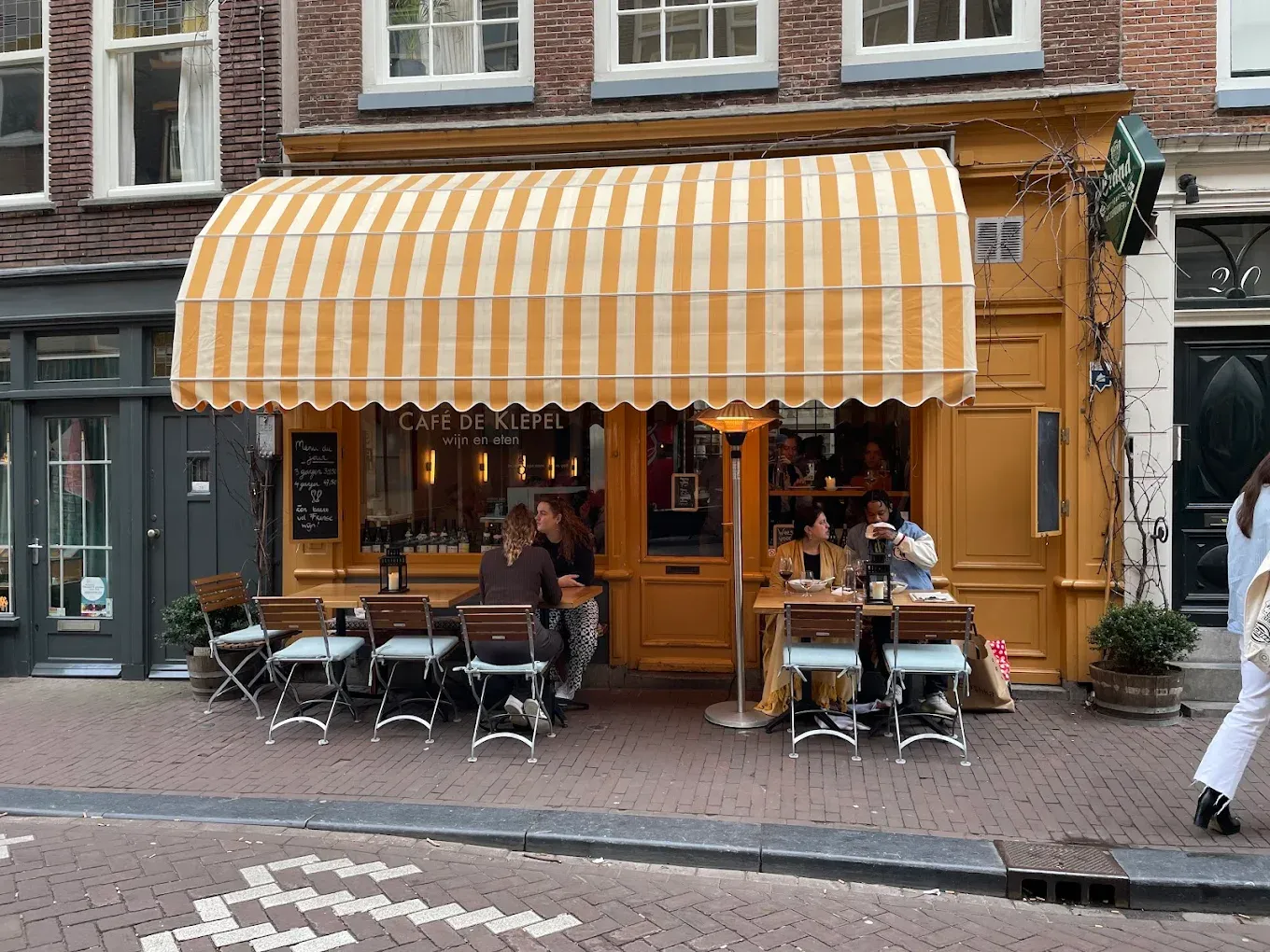
In a classic Amsterdam brown cafe, the kind of centuries-old wood-panelled bar where our tour ends, regulars often just round up once at the end of the evening rather than per round. Do the same and you’ll fit right in.
Nobody tips per drink here. If you put a euro on the bar after every beer, the bartender will politely wonder what you’re up to.
Tipping tour guides
Guides are the question we obviously get most, so honestly: tips are appreciated and never expected. Our guides are paid properly, that’s the whole point of running a company we’re proud of.
If a guide made your afternoon, around €10 a person is a fair thank you for a job well done. On a €79 food tour that lands near 10%, and it is the number we would name if a guest asked us straight out. Some guests tip nothing and write a glowing review instead, which frankly does more for a guide’s week than any tip. Both are perfect.
The exception in the tipping economy is the “free” walking tour, where the tip is the payment. Guides on those tours work for tips alone, so treat the tip as the ticket price. Different model, different rules.
On a private food tour the same logic applies: the price covers everything including the guide. Anything extra is warmth, not obligation.
Tipping in Amsterdam hotels, taxis and everyone else
Taxis: round up to the nearest euro or two. €17.50 becomes €19 or €20. For an airport run with luggage help, a couple of euros extra is kind. Uber lets you tip in the app; most locals skip it.
Hotels: €1-2 per bag for porters, €1-2 per night for housekeeping if you like. Amsterdam’s smaller canal-house hotels run on tiny teams, so a small tip lands personally there.
Nobody else expects anything. Supermarkets, fast food counters, ticket desks, trams: the listed price is the whole transaction. There are no tip screens guilt-tripping you at checkout, one of the quiet joys of Dutch life.
Cash or card?
Here’s the trap that catches most visitors: Amsterdam is heavily card-based, and many places are card-only, but most card machines have no tip function.
So the working setup is: pay the bill by card, tip in cash. Keep a handful of euro coins in your pocket and you can tip anyone, anywhere, in two seconds. If you’re cashless entirely, just tell the server the total you want to pay before they type it in.
And if you forgot cash and the machine can’t add a tip? Let it go. Remember rule one: nobody is counting on it.
The one time tipping actually matters
If someone genuinely rescued your day, the sommelier who found a bottle for your anniversary, the guide who walked your dropped phone back to your hotel, the waiter who handled a nut allergy like a pro, tip properly and say why. In a culture where tips are rare-ish, a deliberate one means something. That’s the Dutch system working as intended: the money follows the moment, not the routine.
Wondering what the rest of your food budget should look like? We broke down real Amsterdam prices in our honest guide to eating and drinking costs, same no-nonsense approach.
Cheat sheet
- Restaurants: round up, or 5-10% for good service
- Cafes and bars: spare change or round up
- Tour guides: nothing expected; around €10 a person if they made your day
- Taxis: round up a euro or two
- Hotels: €1-2 per bag or per night
- Everywhere else: the price is the price
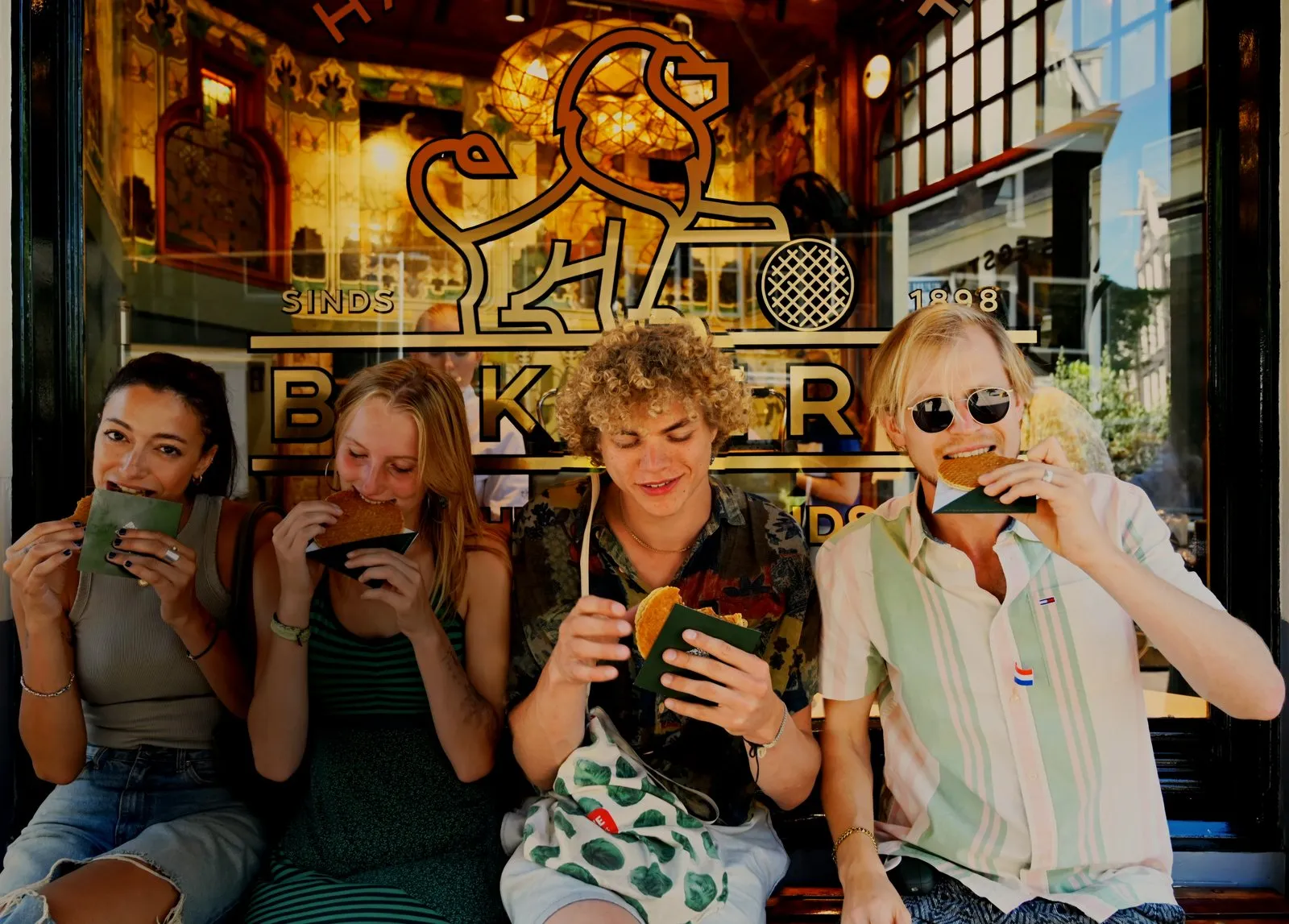
Relax. You now tip like a local, which mostly means not worrying about it. Spend the savings on an extra stroopwafel. We know a place.