Most people think visiting the museum is enough, but the real understanding begins when you walk the city itself.
The museum tells you the story, and it does it well. But when you walk through the actual streets, something shifts. You start seeing where things unfolded, how close everything was, and what daily life might have looked like during that time.
You might be thinking, can I just read the diary or visit the museum and skip this part? Honestly, many people do. But as someone who has seen how visitors react, this is where the deeper understanding clicks.
When you join Adam & Eve Tours, you are guided by experts who bring these moments to life through local stories, context, and real insight. You are not just hearing history. You are understanding it in a way that stays with you long after the walk ends.
Without walking the city, you are only seeing one piece of a much larger story.
Why Walking the City Changes Everything
If you stand outside the Anne Frank House without context, it feels like a historic site. Important, yes. But still just one location.
Now imagine walking there slowly, starting from the Jewish Quarter.
You begin where families once lived freely. You pass streets where restrictions slowly took hold. You hear how daily life changed before people even realized what was coming.
By the time you reach the house, it no longer feels like a stop. It feels like the final chapter.
That is the difference a well-designed Anne Frank walking tour makes. It follows the story, not just the map.
Before You Book: Ask Yourself These First
Most travellers pause here. And you should.
-
Do I really need a guide for this?
-
Isn’t the museum enough?
-
Will this feel too heavy during my trip?
-
Is it actually worth the price?
From what we see with visitors, the biggest mistake is trying to experience this story without context.
You can walk these streets alone. But you will miss what matters.
A guided tour does more than explain history. It connects moments, places, and decisions in a way that makes sense as you walk.
That is why pairing your visit with Adam & Eve Tours makes a real difference. You are not just following a route. You are uncovering hidden paths, understanding the stories behind them, and seeing the city through a deeper, more local perspective.
Insight #1: The Jewish Quarter Was Once Full of Life
We usually begin near the old Jewish Quarter, close to Waterlooplein.
If you walk through here today, it feels calm. Almost too calm.
Before the war, this area was one of the most active parts of Amsterdam. Around 80,000 Jewish residents lived in the city. Shops, schools, markets. A full community.
Then occupation began in May 1940.
Restrictions followed quickly:
-
Jewish businesses were taken over
-
Public spaces became restricted
-
Children were separated into different schools
By 1942, deportations began.
Standing here, you are not just hearing numbers. You are standing where those lives unfolded.
This is where a strong Anne Frank walking tour sets the foundation. Without this, the rest of the story feels incomplete.
Insight #2: The Route Mirrors the Timeline
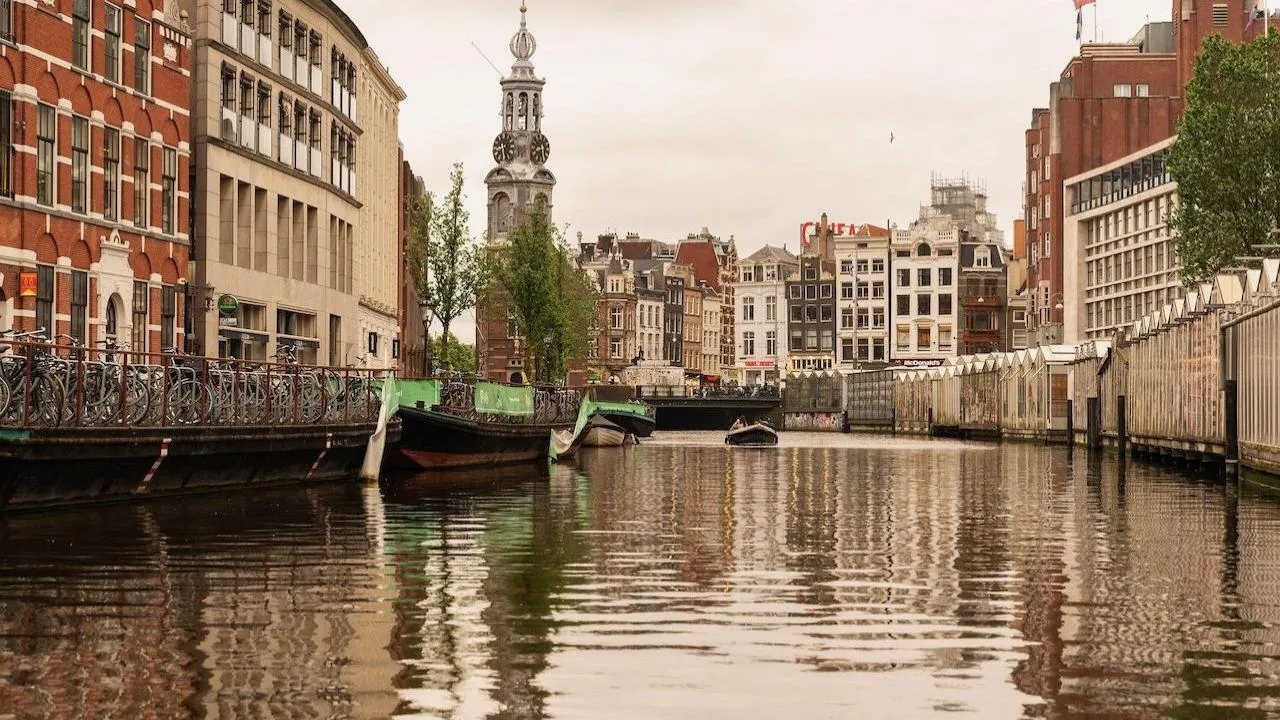
One thing most visitors don’t realise is that the route itself tells the story.
You move:
-
From the Jewish Quarter
-
Through key wartime locations
-
Into quieter residential areas
-
Ending in the Jordaan at the Anne Frank House
This is not accidental.
It mirrors the progression of events. From normal life to restriction. From restriction to hiding.
That structure is what makes the Beyond the Second World War: Anne Frank Tour feel complete. You are not jumping between facts. You are following a narrative.
Insight #3: The Details You Would Never Notice Alone
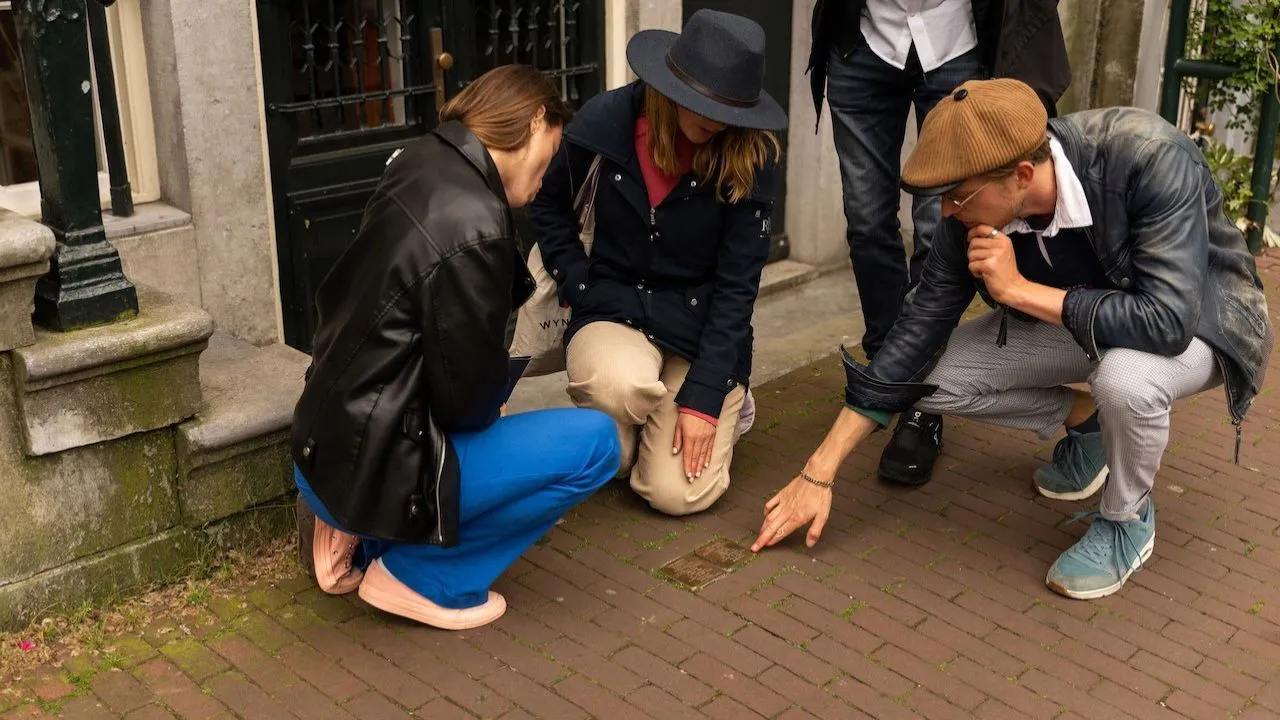
Let me point something out that most people walk past.
Look down.
Those small brass stones in the pavement are called Stolpersteine. Each one marks a person who was deported. Their name, their birth year, the date they were taken.
There are thousands of them across Amsterdam.
Without a guide, you might not even notice them.
You also begin to understand:
-
Why Anne Frank’s family left Germany
-
How they were received in the Netherlands
-
What daily life looked like before hiding
These are the details that change how you see the story.
Insight #4: Resistance Was Real, But So Was Risk
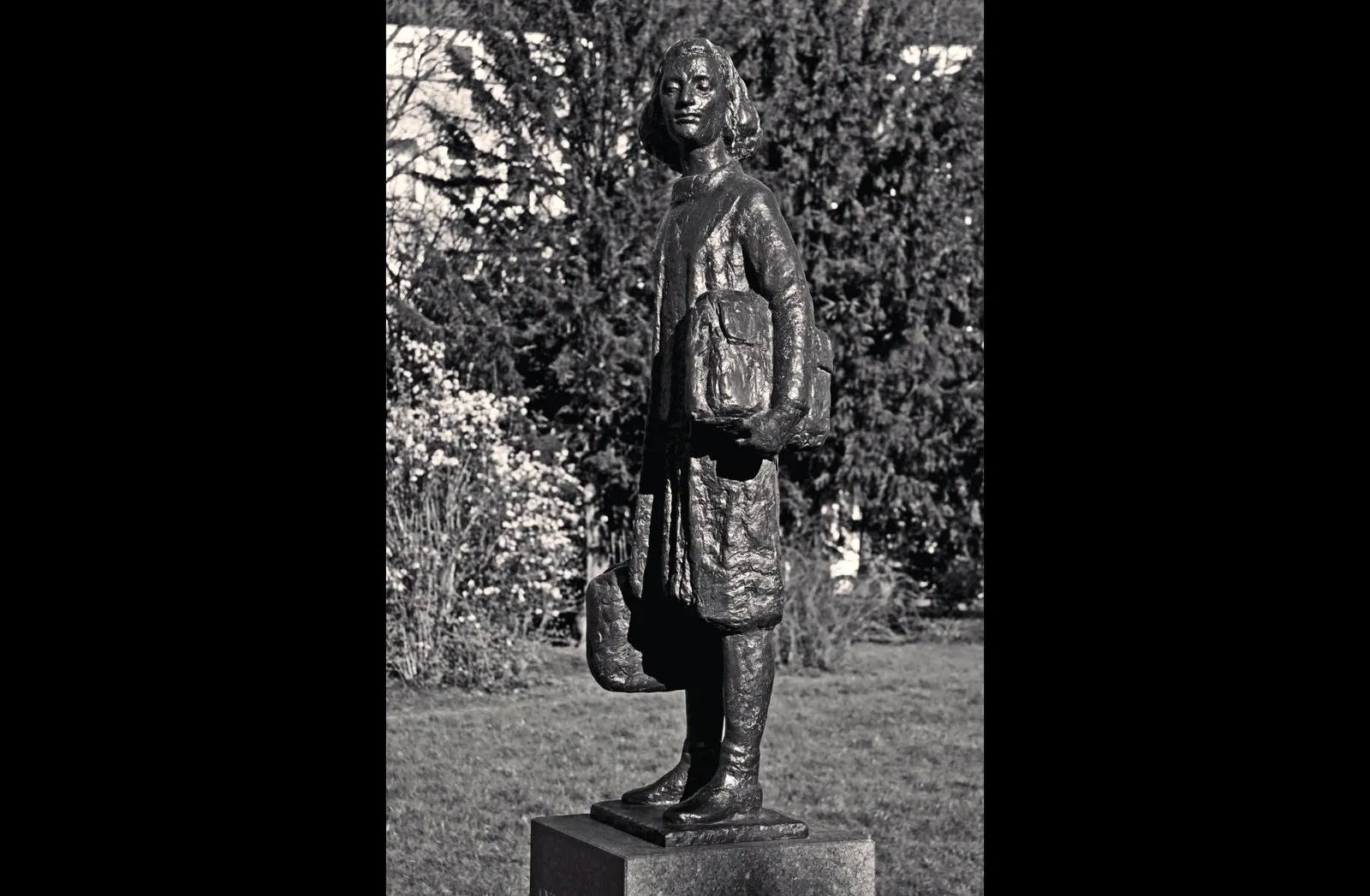
History here is not simple. And it shouldn’t be.
You will hear about:
-
The February Strike of 1941, when Dutch workers protested persecution
-
The bombing of Rotterdam, which forced Dutch surrender
-
The Hunger Winter of 1944, when food shortages became severe
You will also hear about resistance.
People who hid families. People who forged documents. People who risked everything.
But also, difficult truths. Collaboration. Fear. Survival.
A premium Anne Frank walking tour does not simplify this. It gives you the full picture.
Insight #5: Ending Outside the House Feels Different
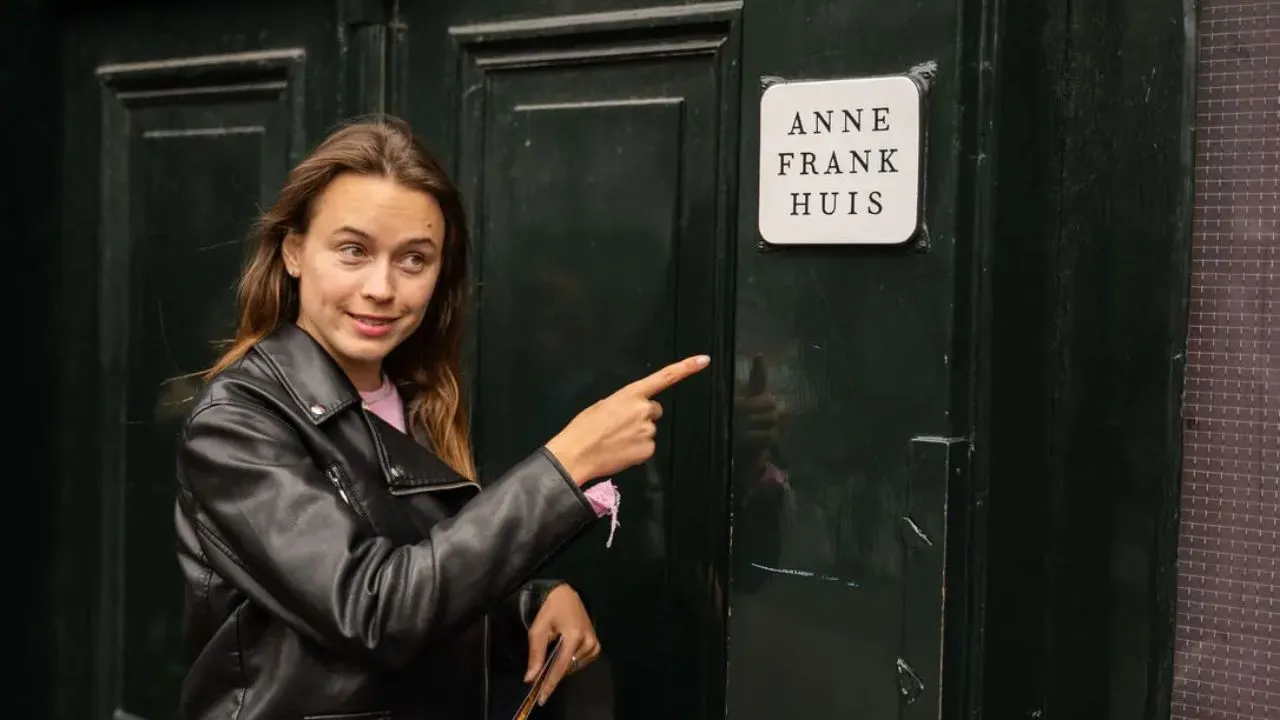
By the time you reach the Anne Frank House, something has shifted.
You already know:
-
Why the family went into hiding in July 1942
-
How eight people lived in the Secret Annex
-
That they were discovered in August 1944
You also know that Otto Frank was the only survivor.
Standing there, it feels different.
Not like a tourist stop. Like the end of a journey.
That is why experiences like the Anne Frank Tour end outside the house. You arrive with understanding, not curiosity.
Is This Worth It for You?
Let’s make this practical.
If you are asking:
-
“Can I do this on my own?”
-
“Is this worth the cost?”
Here is the honest answer.
You can read about this anywhere.
But understanding it in the place where it happened is different.
This experience is worth it if you:
-
Want depth, not just the typical highlights
-
Prefer understanding over speed
-
Are open to a slower, more reflective experience
It may not be for you if you want something light or fast-paced. In that case, our flagship food tour is a better fit.
How to Get the Most Out of It
A few things we always recommend:
-
Choose a smaller or private experience for better interaction
-
Book earlier in the day for a quieter atmosphere
-
Keep your schedule open afterwards
-
Take your time between stops
Also, a practical note.
Entry to the Anne Frank House is not included. Tickets sell out weeks in advance, often around 6 to 7 weeks. If you plan ahead, it is worth combining both experiences.
What Makes This Experience Stand Out
Not all tours are equal.
What makes a guided tour truly memorable is not just where it takes you, but how it helps you understand what you are seeing.
A well-designed experience from Adam & Eve Tours stands out because it focuses on:
-
Private or small group format
-
A 2-hour structured walking route
-
A guide with deep WWII and museum experience
-
Storytelling tailored to your pace and questions
It feels less like a tour. More like being guided through a story that still lives in the city.
Key Takeaways

-
The Anne Frank story is deeply tied to Amsterdam’s streets
-
The Jewish Quarter provides essential historical context
-
Small details like Stolpersteine bring history into everyday life
-
The route itself mirrors the timeline of events
-
A guided Anne Frank walking tour provides understanding you cannot get alone
You can visit Amsterdam and see where history happened.
Or you can walk through it, understand it, and carry it with you long after you leave.
The question is, how do you want to remember it?